
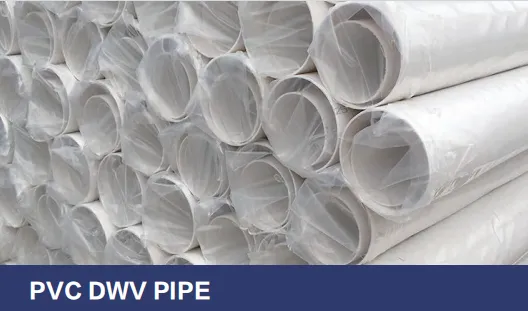
When we walk into a home, office, or hospital, we rarely stop to think about what lies behind the walls and under the floors. Yet, the unsung heroes of any building's functionality are its plumbing systems—specifically, the Drain-Waste-Vent (DWV) pipes that quietly carry away wastewater, prevent noxious gases from seeping in, and keep our spaces hygienic. For decades, PVC (Polyvinyl Chloride) has reigned supreme in DWV applications, prized for its affordability, corrosion resistance, and ease of installation. But as the construction industry evolves—demanding greater sustainability, durability, and smart integration—leading PVC DWV pipe suppliers are reimagining what these humble pipes can do. In this article, we'll dive into the cutting-edge innovations shaping the future of PVC DWV pipes, explore how top suppliers are pushing boundaries, and why these advancements matter for everyone from architects to homeowners.
Before we jump into innovations, let's ground ourselves in the basics. DWV systems are the circulatory system of a building. They handle three critical tasks: draining wastewater from sinks, showers, and toilets; venting sewer gases to the outside; and preventing pressure buildup that could siphon water from traps (those U-shaped bends under sinks that block gases). Historically, DWV systems relied on heavy materials like cast iron or copper. Cast iron, while durable, is prone to rust and requires specialized labor to install. Copper, though corrosion-resistant, is expensive and rigid, making it tricky to maneuver in tight spaces. Enter PVC: lightweight, affordable, and resistant to chemicals and corrosion, it quickly became the go-to material by the late 20th century. But as buildings grow taller, more complex, and more focused on sustainability, even traditional PVC DWV pipes are showing their limits. That's where today's leading suppliers step in—turning challenges into opportunities for innovation.
To understand the future, we must first look at the present-day hurdles. Traditional PVC DWV pipes, while reliable, face several pain points that construction professionals and building owners regularly encounter:
These challenges aren't just inconveniences—they impact project timelines, budgets, and long-term building performance. Leading PVC DWV pipe suppliers recognize this, and their latest solutions are engineered to address each one head-on.
The most forward-thinking PVC DWV pipe suppliers aren't just manufacturing pipes—they're developing PVC DWV pipe solutions that integrate advanced materials, design, and technology. Let's break down the key innovations reshaping the industry:
Gone are the days of one-size-fits-all PVC. Today's suppliers are experimenting with polymer blends and additives to enhance performance. For example, some leading manufacturers now infuse PVC with impact modifiers and UV stabilizers, creating pipes that can withstand extreme temperatures (from -40°C to 60°C) and resist cracking under heavy loads. This is a game-changer for regions with harsh climates, where traditional PVC might fail prematurely.
Sustainability is also driving material innovation. Many suppliers now use recycled PVC resin (up to 30% in some cases) without compromising strength, reducing reliance on virgin plastics. Others are exploring bio-based plasticizers, replacing petroleum-derived additives with plant-based alternatives. These moves not only lower the carbon footprint but also appeal to green building certifications like LEED and BREEAM, which are increasingly mandatory for commercial projects.
A single leak in a DWV system can lead to mold growth, structural damage, and sky-high repair bills. Recognizing this, suppliers are revolutionizing joint design. Traditional solvent-welded joints require precise application and drying time, leaving room for human error. New push-fit and compression joints, however, allow for tool-free installation—simply insert the pipe into the fitting, and a rubber gasket creates an instant, watertight seal. Some suppliers have even developed "self-sealing" joints with built-in sensors that expand when they detect moisture, adding an extra layer of protection against leaks.
For high-rise buildings, where vertical pipe runs are common, suppliers are introducing flexible PVC DWV pipes with reinforced bellows. These pipes can absorb vibration and movement caused by building sway, reducing stress on joints and minimizing the risk of leaks over time. Imagine a 50-story hotel where the DWV system can adapt to the building's natural movement—no more cracked pipes or unexpected shutdowns.
Modern architecture demands systems that don't compromise on design. Leading suppliers are responding with slim-profile PVC DWV pipes and custom-fabricated fittings that fit into tight spaces. For example, low-profile elbows and tees allow pipes to run closer to walls or ceilings, freeing up room for insulation, wiring, or architectural features. In residential projects, this means more usable square footage; in commercial spaces like restaurants or retail stores, it means uninterrupted sightlines and cleaner aesthetics.
Some suppliers are even offering color-customizable pipes, allowing them to blend with interior finishes. While DWV pipes are rarely visible, in open-concept industrial designs or heritage buildings where exposed pipes are part of the aesthetic, this customization adds a polished touch that traditional gray PVC can't match.
The future of construction is smart—and DWV systems are no exception. Forward-thinking PVC DWV pipe suppliers are embedding micro-sensors into their pipes and fittings, creating "smart" systems that monitor flow rates, temperature, and pressure in real time. These sensors connect to a central dashboard, alerting facility managers to potential issues (like a slow drain indicating a blockage or a sudden pressure drop signaling a leak) before they escalate.
In healthcare facilities, where hygiene is critical, these smart systems can even detect the presence of harmful bacteria in wastewater, helping prevent the spread of infections. For schools and hospitals—settings that often require class a fireproof cpl inorganic board for hospital and school supplier materials for safety—integrating smart DWV pipes adds another layer of protection, ensuring that plumbing issues don't compromise the building's overall safety protocols.
Construction projects are increasingly global, with materials sourced from multiple countries. Leading PVC DWV pipe suppliers understand the importance of compliance with international standards, from ASTM in the U.S. to DIN in Europe and AS/NZS in Australia. This isn't just about checking boxes—it's about ensuring that pipes perform consistently, regardless of the project's location. For example, suppliers now offer PVC DWV pipes tested to withstand the high humidity of Middle Eastern climates and the freeze-thaw cycles of Northern Europe, giving architects and contractors peace of mind that their systems will last.
In today's fast-paced construction industry, time is money. Coordinating with multiple suppliers for different building materials—pipes, walls, flooring, fixtures—can lead to delays, miscommunications, and compatibility issues. That's why many leading PVC DWV pipe suppliers are evolving into one-stop architectural solution providers , offering a comprehensive range of products that work together seamlessly.
Imagine a hospital project that needs not just DWV pipes but also fireproof wall panels, flooring, and sanitary fixtures. A one-stop provider can ensure that the PVC DWV system is designed to integrate with the class a fireproof cpl inorganic board for hospital and school solutions they supply, the flooring materials, and even the bathroom accessories. This integration reduces the risk of compatibility issues (e.g., a pipe that doesn't fit through a pre-cut opening in a wall panel) and streamlines the supply chain, with a single point of contact for ordering, delivery, and support.
For example, a one-stop provider might offer a "Residential Plumbing Package" that includes PVC DWV pipes, PEX pipes for hot/cold water, fittings, and even bathroom vanities—all designed to work together. This not only saves contractors time but also ensures that every component meets the same quality and sustainability standards, creating a more cohesive and reliable building system.
| Feature | Traditional PVC DWV Pipes | Innovative PVC DWV Solutions (from Leading Suppliers) |
|---|---|---|
| Material Durability | Prone to brittleness in extreme temps; average lifespan of 25-30 years. | Impact-resistant blends; UV and chemical stabilized; lifespan of 50+ years. |
| Installation Time | Requires solvent welding; 2-3 hours per 10ft run (including drying time). | Push-fit/compression joints; tool-free installation; 1 hour per 10ft run. |
| Sustainability | Made from virgin PVC; limited recycling options. | 30% recycled resin; bio-based additives; recyclable at end-of-life. |
| Smart Capabilities | No built-in monitoring; leaks detected only after damage occurs. | IoT sensors for real-time flow/pressure monitoring; predictive maintenance alerts. |
| Design Flexibility | Bulky fittings; limited customization for tight spaces. | Slim-profile designs; custom bends and tees; color-matched options for exposed applications. |
| Compliance | Meets basic local standards; inconsistent performance across regions. | Complies with global standards (ASTM, DIN, AS/NZS); tested for regional climate conditions. |
The innovations we've explored are just the beginning. As the construction industry continues to prioritize sustainability, efficiency, and smart technology, PVC DWV pipe suppliers will need to stay ahead of the curve. Here are three trends to watch:
The future of PVC DWV pipes lies in closed-loop systems. Suppliers are already experimenting with take-back programs, where old pipes are collected, recycled, and turned into new ones. In the next decade, we can expect to see suppliers offering "cradle-to-cradle" certification, guaranteeing that every pipe is 100% recyclable and made from renewable or recycled materials. This will not only reduce environmental impact but also appeal to governments and developers pushing for net-zero construction.
Artificial intelligence is set to revolutionize how DWV systems are designed. Imagine uploading a building's blueprints to a supplier's AI platform, which then generates a custom PVC DWV layout optimized for space, efficiency, and cost. The platform could even recommend specific pipe sizes, fittings, and smart sensors based on the building's use (residential vs. commercial) and location. This level of customization would eliminate guesswork and ensure that every project gets a tailored solution, not a one-size-fits-all product.
As more buildings adopt rainwater harvesting, greywater recycling, and low-flow fixtures, DWV systems will need to work in harmony with these green technologies. Leading suppliers are already developing PVC DWV pipes that can handle recycled water (which may contain different chemicals than traditional wastewater) and integrating them with filtration systems. For example, a supplier might offer a "Sustainable Home Package" that includes DWV pipes for greywater recycling, PEX pipes for potable water, and solar panels—all designed to work together to reduce a home's environmental footprint.
With so many innovations on the horizon, selecting the right PVC DWV pipe supplier is more important than ever. Here are key factors to consider:
Remember, a PVC DWV system is a long-term investment. Cutting corners with a low-quality supplier might save money upfront, but it could lead to costly repairs, downtime, and even safety risks down the line. Choosing a supplier that prioritizes innovation, sustainability, and integration will pay off in the form of a more reliable, efficient, and future-proof building.
PVC DWV pipes may not be the most glamorous part of a building, but they're undeniably essential. As we've explored, leading suppliers are transforming these workhorse components into innovative solutions that address today's biggest construction challenges—from sustainability to smart integration. By investing in advanced materials, leak-proof designs, and IoT technology, and by evolving into one-stop architectural solution providers, these suppliers are not just keeping up with the industry—they're shaping its future.
Whether you're building a hospital that needs fireproof, hygienic systems, a residential complex focused on sustainability, or a commercial space with cutting-edge design, the right PVC DWV pipe supplier can make all the difference. The future of plumbing is here, and it's more durable, efficient, and connected than ever before. So the next time you walk into a building, take a moment to appreciate the innovation flowing quietly behind those walls—because when it comes to DWV systems, the best solutions are the ones you never notice… until you need them.
Recommend Products












