
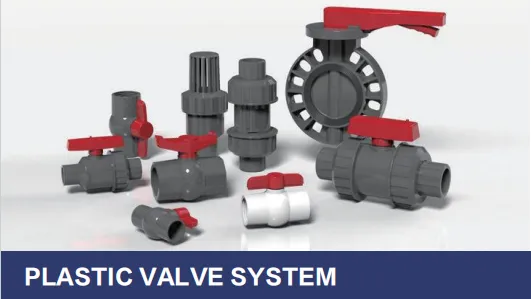
Walk through any construction site today, and you'll notice a quiet revolution happening beneath the walls and behind the scenes. It's not in the cranes or the steel beams, but in the components that keep our buildings functional: the pipes, the fittings, and most importantly, the valves that control the flow of water, gas, and waste. For decades, metal valves were the unchallenged workhorses of construction, but in recent years, a new player has emerged—and it's reshaping the industry. We're talking about plastic valve system solutions, and their rise isn't just a trend; it's a response to the evolving needs of modern construction: sustainability, efficiency, and smart technology integration. As cities grow, as buildings become more complex, and as we collectively strive for greener practices, plastic valve systems are no longer an afterthought. They're the backbone of plumbing infrastructure that's built to last, adapt, and align with the future of how we live and work.
Let's start with the basics: plumbing is the circulatory system of any building. When it fails, everything grinds to a halt. Traditional metal valves, while reliable in their time, came with a laundry list of headaches that modern construction can no longer afford. Think about corrosion, for example. In regions with hard water or high humidity—places like coastal cities or industrial zones—metal valves rust from the inside out, leading to leaks that go undetected until they cause water damage, mold growth, or even structural issues. Then there's the weight factor: hauling heavy metal pipes and valves up scaffolding or through tight spaces isn't just labor-intensive; it slows down project timelines and increases the risk of on-site injuries.
Cost is another pain point. Metal valves require specialized tools and skilled labor to install, driving up both upfront and long-term expenses. And let's not forget sustainability. The production of metal valves is energy-intensive, and their short lifespan (often 10–15 years) means frequent replacements, creating a cycle of waste that clashes with global efforts to reduce carbon footprints. Even something as simple as noise became a problem: metal pipes and valves can transmit water hammer—the loud, jarring noise when water flow is suddenly stopped—disturbing residents in apartments or patients in hospitals. These weren't just minor inconveniences; they were systemic issues holding back the construction industry from reaching new levels of efficiency and sustainability.
So, what makes plastic valve system solutions the answer to these challenges? It's not just one thing—it's a convergence of trends that address the industry's most pressing needs. Let's break them down.
Sustainability isn't a buzzword anymore; it's a requirement. Today's developers, architects, and even governments are prioritizing materials that minimize environmental impact, and plastic valve systems are stepping up to the plate. One of the most exciting developments is the use of recycled materials in valve production. Leading suppliers are now incorporating post-consumer plastic waste—think old water bottles or packaging—into their valve designs, reducing reliance on virgin plastics and keeping waste out of landfills. Take, for example, a Saudi Arabia building materials supplier that recently launched a line of plastic valves made with 30% recycled PVC. Not only do these valves meet the same performance standards as their non-recycled counterparts, but they also cut production-related carbon emissions by 25%.
But sustainability isn't just about materials; it's about longevity. Plastic valve systems, when designed correctly, can last 50 years or more—doubling or tripling the lifespan of traditional metal valves. This means fewer replacements, less waste, and lower maintenance costs over a building's lifetime. And when they do reach the end of their life? Many modern plastic valves are fully recyclable, closing the loop on the circular economy. It's a win-win: better for the planet, better for project budgets, and better for building owners tired of constant repairs.
If sustainability is the heart of the trend, smart technology is the brain. We live in a world where our phones can control our thermostats and our refrigerators can order groceries—so why shouldn't our building's plumbing systems be just as connected? Plastic valve system solutions are now being designed with IoT (Internet of Things) integration in mind, turning passive components into active, data-generating tools.
Imagine a commercial office building where every plastic valve is equipped with a tiny sensor that monitors pressure, temperature, and flow rate in real time. If a valve starts to leak, or if pressure drops unexpectedly, the system sends an alert to the facility manager's phone before a flood occurs. No more surprise water damage, no more emergency repairs at 2 a.m. This isn't hypothetical; it's already happening. In Dubai, a 40-story residential tower recently retrofitted its plumbing with smart plastic valves and saw a 30% reduction in water waste within the first year. The sensors detected leaks in unused apartments, optimized water pressure during peak hours, and even identified inefficiencies in the building's irrigation system. These valves didn't just solve problems—they prevented them, all while generating data that helps the building operate more efficiently.
And it's not just about monitoring. Some advanced plastic valve systems can be controlled remotely, allowing managers to adjust flow rates or shut off water to specific floors without physically being on-site. This level of control is a game-changer for large facilities like hospitals, where shutting down a wing for maintenance could disrupt patient care. With smart plastic valves, adjustments can be made quickly, precisely, and with minimal disruption.
When most people hear "plastic," they might think of flimsy, disposable products—but modern plastic valve systems are a far cry from that. Today's materials are engineered to be tough, flexible, and compatible with a wide range of plumbing systems, including upvc pipe solutions, ppr pipe and fitting solutions, and pvc dwv pipe solutions. Let's dive into the science: manufacturers are blending traditional plastics like PVC and PP with additives that strength, heat resistance, and chemical tolerance. For example, chlorinated polyvinyl chloride (CPVC) valves can handle hot water temperatures up to 93°C (200°F), making them ideal for residential and commercial hot water systems. Meanwhile, cross-linked polyethylene (PEX) valves offer flexibility, allowing them to bend without cracking—a crucial feature in earthquake-prone areas where pipe movement is a risk.
Compatibility is another key innovation. Plastic valve system solutions are now designed to seamlessly integrate with other plastic piping systems, eliminating the need for adapters or transition fittings that can become weak points. Take upvc pipe solutions, which are widely used for cold water supply and drainage. Modern plastic valves designed for UPVC systems create a tight, leak-proof seal that's easy to install with simple tools—no welding or soldering required. The same goes for ppr pipe and fitting solutions, which are popular for hot water lines. By matching valve materials to pipe materials, manufacturers have created plumbing systems that work in harmony, reducing the risk of leaks and extending the overall lifespan of the infrastructure.
Even fire resistance is being addressed. While plastic has long been criticized for melting at high temperatures, new formulations include flame-retardant additives that meet strict safety standards. In fact, some plastic valve systems are now approved for use in hospitals and schools, where fire safety is non-negotiable—aligning with the same rigorous standards as specialized materials like class a fireproof cpl inorganic board for hospital and school solutions. It's a testament to how far plastic valve technology has come: from being seen as "inferior" to metal to being trusted in the most safety-critical environments.
In construction, compliance isn't optional—it's the foundation of trust. Building codes vary from country to country, and in regions with strict regulations (like Europe, North America, or the Middle East), cutting corners on plumbing components can lead to project delays, fines, or even legal liability. This is where reputable plastic valve system suppliers shine: they don't just sell products; they provide solutions that meet or exceed global standards. Whether it's ASTM International standards in the U.S., DIN standards in Europe, or local regulations in Saudi Arabia, top suppliers invest in testing and certification to ensure their valves are safe, durable, and fit for purpose.
Take pvc dwv pipe solutions, which are used for drain, waste, and vent systems. These pipes and valves must handle corrosive waste, high flow rates, and negative pressure without cracking or leaking. To meet this, suppliers subject their PVC DWV valves to rigorous testing: pressure tests, impact tests, and long-term durability tests that simulate decades of use. The result? Valves that builders can trust to comply with local codes, giving them peace of mind and avoiding costly rework. For international projects, this compliance is even more critical. A one-stop architectural solution provider might source materials from multiple countries, but with plastic valve system solutions that meet global standards, they can ensure consistency across borders—no more worrying about whether a valve from one supplier will work with a pipe from another.
Let's ground this in a real example. In Riyadh, Saudi Arabia, a leading commercial developer set out to build a 250,000-square-meter mixed-use complex: offices, retail spaces, and a luxury hotel. The goal was to create a sustainable, future-ready building that would stand out in the city's skyline. But there was a catch: the project had a tight timeline, and the developer wanted to minimize long-term maintenance costs—especially critical for the hotel, where guest comfort and uninterrupted service were top priorities.
The project's plumbing contractor recommended a shift from metal to plastic valve system solutions, paired with complementary products: upvc pipe solutions for cold water lines, ppr pipe and fitting solutions for hot water, and pvc dwv pipe solutions for drainage. The decision wasn't made lightly. The team conducted extensive research, comparing lifespans, installation times, and costs. What they found was compelling: plastic valves were 40% lighter than metal, reducing labor costs; they required no specialized tools, cutting installation time by 25%; and their 50-year lifespan meant the hotel wouldn't need to replace valves for decades.
The results spoke for themselves. The project finished two months ahead of schedule, thanks in part to faster plumbing installation. Within the first year of operation, the hotel reported zero leaks in its plumbing system—a first for any building in the developer's portfolio. Maintenance teams noted that the plastic valves were quieter, reducing guest complaints about water noise. And when the hotel decided to add smart sensors to its plumbing system a year later, the plastic valves were easily retrofitted with IoT technology, allowing for remote monitoring and predictive maintenance. For the developer, this wasn't just a successful project; it was a proof of concept. Today, they use plastic valve system solutions in all their new developments, citing sustainability, efficiency, and reliability as the key drivers.
| Feature | Traditional Metal Valves | Modern Plastic Valve System Solutions |
|---|---|---|
| Material | Cast iron, brass, copper | PVC, UPVC, PPR, CPVC, PE |
| Lifespan | 10–15 years (prone to corrosion) | 50+ years (resistant to corrosion and chemical damage) |
| Installation | Requires welding, threading, or soldering; heavy lifting | Glued, clamped, or push-fit; lightweight and easy to handle |
| Sustainability | High energy use in production; short lifespan leads to frequent replacement | Made with recycled materials; recyclable at end-of-life; lower carbon footprint |
| Maintenance | Frequent inspections for rust/leaks; costly repairs | Minimal maintenance; compatible with smart monitoring systems |
| Applications | Limited to low-corrosion environments; residential use | Commercial, residential, industrial, hospitals, schools, coastal areas |
So, where do we go from here? If the last five years are any indication, the future of plastic valve system solutions is bright—and full of innovation. Let's start with urbanization. By 2050, 68% of the world's population will live in cities, according to the UN. That means more high-rise buildings, more complex infrastructure, and a greater need for plumbing systems that can handle dense populations. Plastic valves, with their lightweight design and space-saving flexibility, are perfectly suited for tight urban environments where every inch counts.
Green building certifications like LEED and BREEAM are also driving demand. These programs reward buildings that prioritize sustainability, and plastic valve systems—with their energy-efficient production, long lifespan, and recyclability—are becoming a go-to choice for developers aiming to earn these certifications. We'll also see more integration with renewable energy systems. Imagine a net-zero building where rainwater harvesting systems use smart plastic valves to store and distribute water, or where geothermal heating systems rely on plastic valves to regulate flow between underground pipes and indoor radiators. The possibilities are endless.
Material science will continue to push boundaries, too. Researchers are experimenting with bio-based plastics—derived from plants like corn or sugarcane—that offer the same durability as traditional plastics but with an even lower carbon footprint. We might also see self-healing plastic valves, designed to seal small cracks automatically, further reducing maintenance needs. And as 3D printing technology advances, custom plastic valves could become more accessible, allowing builders to order tailor-made solutions for unique projects—no more one-size-fits-all.
At the end of the day, plastic valve system solutions aren't just about pipes and valves. They're about reimagining how we build. They're about creating buildings that are more efficient, more sustainable, and more responsive to the needs of the people who use them. From the quiet reliability of a residential plumbing system to the high-tech monitoring of a commercial tower, plastic valves are proving that innovation in construction doesn't have to be flashy to be transformative.
For builders, suppliers, and developers, the message is clear: embracing plastic valve system solutions isn't just a smart business move—it's a commitment to building for the future. It's about moving beyond the limitations of the past and towards a construction industry that's ready to meet the challenges of urbanization, climate change, and technological advancement. So the next time you walk into a building—whether it's a hospital, a school, or your own home—take a moment to appreciate the quiet revolution happening behind the walls. Plastic valve systems might not be visible, but their impact? It's everywhere.
Recommend Products












