

Buildings have always been more than just walls and roofs—they're the backdrops to our lives, the spaces where we work, live, and connect. Over centuries, the materials we use to construct them have evolved dramatically, from rough-hewn stone and hand-carved wood to steel girders and glass facades. Today, as architects and builders strive for structures that are safer, more sustainable, and visually striking, a new generation of building materials is emerging. At the forefront of this revolution is MCM flexible cladding stone wall panel solutions—a material that's redefining what's possible in architectural design. But MCM is just the start. From fire-resistant boards that protect schools and hospitals to bamboo charcoal panels that purify indoor air, the future of building materials is about blending innovation with heart, creating spaces that don't just stand tall, but live better.
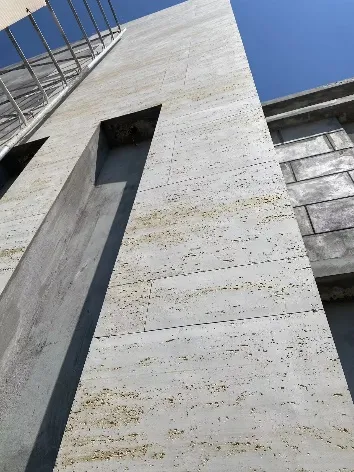
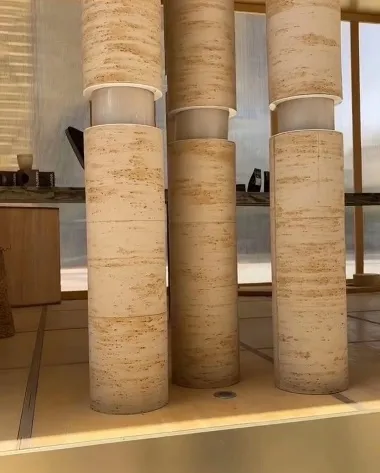
Let's start with the star of the show: MCM, or Modified Composite Material. If you've ever walked past a building with a stunning stone facade that seems to curve and flow like fabric, there's a good chance it's clad in MCM. Unlike traditional stone cladding, which is heavy, rigid, and tricky to install on complex surfaces, MCM flexible cladding is a game-changer. It's made by blending natural stone particles (think marble, granite, or travertine) with high-performance resins and reinforcing fibers, resulting in a panel that's lightweight, bendable, and surprisingly durable.
But why does flexibility matter? Imagine a historic building in the heart of a city, its walls gently curved by centuries of settling. Traditional stone cladding would require extensive structural reinforcement to support the weight, risking damage to the original architecture. MCM, on the other hand, bends to the building's shape, hugging curves and angles without adding stress. It's like wrapping the structure in a second skin—one that's both protective and beautiful.
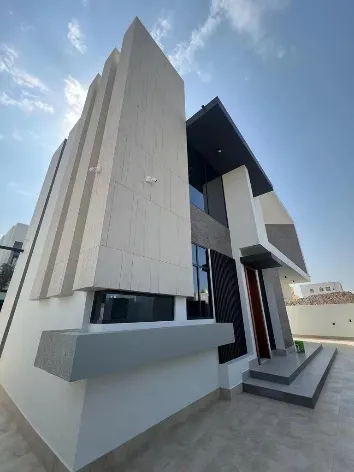
Developed in the early 2000s as a response to the limitations of natural stone and rigid composites, MCM has steadily gained traction. Today, it's used in projects ranging from luxury hotels in Dubai to cozy cafes in small towns, proving that innovation doesn't have to be exclusive to skyscrapers. What makes it truly revolutionary, though, is how it addresses three critical challenges in modern construction: weight, versatility, and sustainability.
At first glance, MCM might look like just another cladding option, but dig deeper, and you'll find a list of benefits that make it a favorite among industry pros. Let's break them down:
Traditional natural stone cladding can weigh up to 80 kg per square meter. That's a lot of stress on a building's foundation and walls, especially in earthquake-prone regions or on older structures. MCM? It clocks in at just 8–12 kg per square meter. To put that in perspective: covering a 100-square-meter facade with natural stone would add 8,000 kg to the building; with MCM, it's only 1,200 kg. That's a 85% reduction in weight, which translates to lower construction costs (less structural reinforcement needed) and a safer, more resilient building.
Architects often have to rein in their designs because traditional materials can't handle curves, angles, or unconventional shapes. MCM changes that. It can be bent to a radius as tight as 30 cm, making it perfect for everything from undulating building facades to circular columns. One memorable project? A boutique hotel in Riyadh with a facade that mimics the rolling sand dunes of the Saudi desert—all made possible by MCM's ability to conform to organic shapes. No more "boxy" buildings; with MCM, the sky (and the architect's imagination) is the limit.
You might think a lightweight, flexible material would be flimsy, but MCM is tough as nails. It's resistant to UV rays, so it won't fade in the sun; it repels water, preventing mold and mildew; and it can handle extreme temperatures, from the scorching heat of a Saudi summer to the freezing cold of a European winter. Unlike wood, it doesn't rot; unlike paint, it doesn't chip or peel. Most manufacturers back their MCM panels with a 15–20 year warranty, but in real-world conditions, they often last 30+ years. That's less maintenance, fewer repairs, and a building that looks fresh for decades.
Today's clients don't just care about how a building looks—they care about its carbon footprint. MCM checks that box, too. Many MCM flexible cladding stone wall panel solutions use recycled stone particles from quarry waste, diverting tons of material from landfills. The production process is also energy-efficient, requiring less water and electricity than mining and cutting natural stone. And because MCM is lightweight, transporting it uses less fuel, further reducing its environmental impact. It's a win-win: beautiful design that doesn't cost the Earth.
Still not convinced MCM is right for your project? Let's compare it to other popular cladding options. The table below pits MCM against traditional natural stone, PU stone wall panels, and WPC wall panels across key metrics:
| Material | Weight (kg/m²) | Flexibility (Minimum Bend Radius) | Installation Time (per 100m²) | Maintenance Cost (Annual, Estimated) | Sustainability |
|---|---|---|---|---|---|
| Traditional Natural Stone | 50–80 | Rigid (No Bending) | 5–7 days | $200–$400 | Low (High quarrying impact, heavy transport) |
| MCM Flexible Cladding | 8–12 | 30 cm (Curved Surfaces Possible) | 1–2 days | $50–$100 | High (Recycled materials, low transport impact) |
| PU Stone Wall Panel | 15–20 | 60 cm (Limited Curves) | 2–3 days | $100–$150 | Medium (Non-recyclable plastics in some variants) |
| WPC Wall Panel | 18–25 | Rigid (Minor Flex Only) | 2–3 days | $150–$200 | Medium (Wood-plastic blend, depends on sourcing) |
As you can see, MCM outperforms the competition in weight, flexibility, installation speed, and sustainability. It's no wonder that in markets like Saudi Arabia, where both aesthetic appeal and structural safety are priorities, MCM flexible cladding stone wall panel solutions are becoming the go-to choice for forward-thinking builders.
MCM is a standout, but it's not the only innovation transforming building materials. Let's explore three other solutions that are working alongside MCM to create smarter, safer, and more beautiful spaces:
Indoor air quality is a hot topic, and for good reason—we spend 90% of our time indoors, and poor air quality can lead to health issues like allergies and respiratory problems. Enter bamboo charcoal board wall panels, a product gaining popularity thanks to suppliers who prioritize both function and design. These panels are made by compressing bamboo charcoal powder (a byproduct of bamboo processing) with eco-friendly resins, resulting in a material that naturally absorbs moisture, odors, and harmful pollutants like formaldehyde.
A bamboo charcoal board wall panel supplier might pitch these panels for bedrooms, nurseries, or offices—spaces where clean air is critical. They're also visually appealing, with a warm, natural texture that adds depth to walls. Imagine a home office lined with bamboo charcoal panels: not only does it look inviting, but it's also working behind the scenes to keep the air fresh. It's design with a purpose.
When it comes to buildings like hospitals and schools, fire safety isn't optional—it's a matter of life and death. That's where class A fireproof CPL inorganic board for hospital and school solutions come in. These boards are made from inorganic materials (meaning they don't burn) and coated with a CPL (Continuous Pressure Laminate) layer that resists scratches, chemicals, and moisture. They're rated Class A for fire resistance, which means they can withstand fire for up to 4 hours without igniting or releasing toxic smoke.
Take a children's hospital in Jeddah, for example. Its walls are lined with these boards, ensuring that in the unlikely event of a fire, the spread is slowed, giving staff and patients time to evacuate. The CPL layer also stands up to frequent cleaning with harsh disinfectants, keeping the hospital sterile. It's a material that doesn't just meet safety codes—it exceeds them, giving peace of mind to everyone who walks through the doors.
For interior walls that make a statement, porcelain slab tile for wall solutions are hard to beat. These large-format tiles (often 120x240 cm or bigger) create a seamless, grout-free look that feels modern and luxurious. Unlike traditional ceramic tiles, porcelain slabs are ultra-dense, making them resistant to stains, scratches, and water. They're perfect for high-traffic areas like hotel lobbies, restaurant walls, or even kitchen backsplashes.
One project that showcases their versatility is a high-end retail store in Dubai, where the entire interior is clad in white porcelain slabs. The lack of grout lines makes the space feel larger and more cohesive, while the tile's durability ensures it stays looking new despite thousands of daily visitors. It's a material that proves practicality and luxury can go hand in hand.

So, where do we go from here? MCM and its counterparts are just the beginning. Here are three trends that will shape the future of building materials in the next decade:
Imagine MCM panels embedded with sensors that monitor temperature, humidity, or even structural stress. If a panel detects a crack or moisture, it sends an alert to the building manager's phone. Or bamboo charcoal boards that connect to an app, showing real-time air quality data. As the Internet of Things (IoT) expands, building materials will become more than passive elements—they'll be active participants in keeping buildings safe and efficient.
Today's clients want buildings that reflect their brand or personality, and materials are following suit. MCM suppliers already offer custom colors and textures, but soon, we'll see even more personalization. Think MCM panels printed with custom graphics, or porcelain slabs that mimic rare marble patterns. Technology like 3D printing will make small-batch, custom materials affordable, letting designers create one-of-a-kind spaces without compromising on cost or durability.
The construction industry is one of the biggest waste producers, but that's changing. Tomorrow's materials will be designed for reuse and recycling. MCM panels, for example, could be disassembled and repurposed at the end of a building's life, their stone particles recycled into new panels. Bamboo charcoal boards might be compostable, returning to the earth without leaving a trace. It's a shift from "take-make-waste" to "make-use-recycle"—and it's already starting.
Whether you're a homeowner planning a renovation, an architect designing a new building, or a contractor looking to stay ahead of the curve, these materials matter. They offer:
Building materials have come a long way from the stone blocks of ancient pyramids. Today, they're tools of innovation, enabling us to create spaces that are safer, more beautiful, and more in tune with our planet. MCM flexible cladding stone wall panel solutions lead the charge, but they're joined by bamboo charcoal boards, fireproof inorganic panels, and porcelain slabs—each solving a unique problem, each contributing to a better way of building.
The future of building materials isn't just about new products; it's about a new mindset—one that prioritizes creativity, safety, and sustainability. It's about buildings that don't just exist, but enhance our lives. So whether you're planning a skyscraper or a small home renovation, consider these innovations. They're not just materials—they're the building blocks of the future.
Recommend Products











