

How a simple choice in building materials can make a big difference for our planet
Maria, an architect in Riyadh, stared at her blueprint, frustration creasing her forehead. Her client wanted a "net-zero carbon" office building—ambitious, but achievable with the right materials. Yet every option she'd researched felt like a compromise: solid wood was beautiful but contributed to deforestation; PVC panels were cheap but released toxic fumes; ceramic tiles were durable but energy-heavy to produce. "There's got to be a better way," she muttered, scrolling through supplier catalogs. That's when she stumbled on it: WPC wall panel solutions . Intrigued, she dug deeper—and what she found changed her approach to sustainable design forever.
We've all been there, in one way or another. Whether you're building a home, renovating an office, or designing a community center, the materials we choose shape not just the spaces we live and work in, but the health of our planet. In a world grappling with climate change, "going green" isn't just a trend—it's a responsibility. And that's where WPC (Wood-Plastic Composite) wall panels come in. As a leading WPC wall panel supplier , we've seen firsthand how these innovative materials are revolutionizing the construction industry, one eco-friendly project at a time. Let's explore why WPC is more than just a building material—it's a step toward a greener future.
Before we dive into the environmental perks, let's get clear on what WPC is. Short for Wood-Plastic Composite, WPC wall panels are made by blending recycled wood fibers (think sawdust, wood chips, or even agricultural waste) with recycled plastic (like old milk jugs or plastic bags) and a small amount of additives (for strength, moisture resistance, and color). The result? A material that looks and feels like wood but performs like plastic—without the environmental downsides of either.
Unlike solid wood, which requires cutting down trees, or pure plastic, which relies on fossil fuels, WPC turns waste into wealth. It's a circular solution: taking materials that would otherwise end up in landfills and transforming them into durable, versatile panels for walls, ceilings, and even flooring solutions . And because it's engineered, WPC can be customized to mimic the look of natural wood, stone, or other textures—so you don't have to sacrifice aesthetics for sustainability.
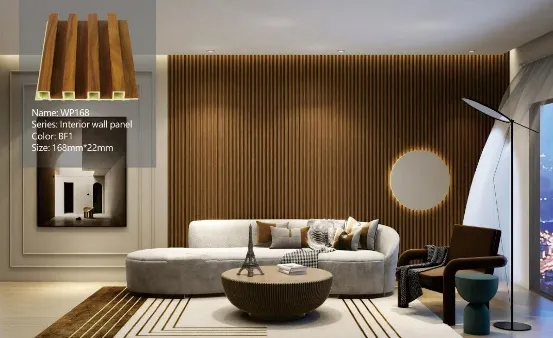
So, what makes WPC wall panels a eco-warrior's dream? Let's break it down into five key areas where they outshine traditional building materials:
Deforestation is one of the biggest drivers of climate change, with millions of acres of forest cleared each year for wood products. WPC flips the script by using recycled wood fibers—meaning no new trees are cut down to make these panels. In fact, a single square meter of WPC can divert up to 5kg of wood waste from landfills. But it doesn't stop there: WPC also eats up plastic waste. The average WPC panel contains 30-50% recycled plastic, keeping tons of non-biodegradable materials out of oceans and landfills. For context, a typical 100m² home using WPC wall panels could repurpose over 500 plastic bottles—talk about turning trash into treasure.
Traditional building materials are carbon-intensive. Manufacturing solid wood panels involves logging, transportation, and chemical treatments, all of which release greenhouse gases. PVC production, too, is energy-heavy and emits toxic chemicals like dioxins. WPC, by contrast, has a significantly lower carbon footprint. Because it uses recycled materials, the energy required to produce WPC is up to 40% less than that of solid wood and 30% less than PVC. Plus, since WPC panels are lightweight and easy to install, transportation and on-site energy use are reduced too. A study by the Sustainable Building Materials Institute found that switching to WPC wall panels for a mid-sized commercial building can cut carbon emissions by over 20 tons during the construction phase alone.
One of the most overlooked environmental benefits of WPC is its longevity. Traditional wood panels warp, rot, or get infested by termites, meaning they need to be replaced every 5-10 years. Paint or stain wears off, requiring frequent reapplications (and more chemicals). WPC, though? It's built to last. Resistant to moisture, pests, and fading, WPC wall panels have a lifespan of 20-30 years—sometimes even longer with proper care. That means fewer replacements, less material waste, and lower lifecycle environmental impact. Think about it: if a homeowner replaces wood panels every 7 years vs. WPC every 25 years, they'll save three sets of materials over a lifetime. That's a huge win for the planet.
Ever tried to maintain a wood deck or wall panel? It's a hassle: sanding, painting, sealing with toxic stains that off-gas VOCs (volatile organic compounds) into your home. WPC eliminates that. Because it's moisture-resistant and doesn't fade easily, WPC only needs occasional cleaning with soap and water. No sanding, no painting, no harsh chemicals. That's better for your indoor air quality (hello, healthier living spaces!) and better for the environment. Those toxic paints and stains often end up in waterways, harming aquatic life. With WPC, you skip the chemicals entirely—making it a favorite for eco-conscious families and hospitality lighting projects where air quality is a priority.
Even when WPC panels finally reach the end of their long lifespan, they don't have to become waste. Unlike some composite materials that are hard to recycle, WPC can be ground down and repurposed into new products—like outdoor furniture, garden edging, or even new WPC panels. This closes the loop, creating a truly circular economy. As a WPC wall panel supplier , we're committed to take-back programs, ensuring that old panels are recycled rather than dumped. It's sustainability from start to finish.
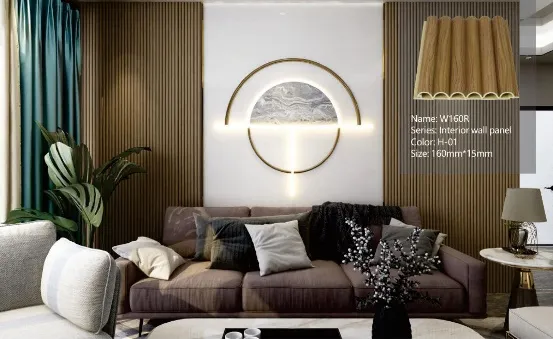
Still not convinced? Let's put WPC head-to-head with common wall panel materials. The table below compares key environmental metrics to show why WPC is the clear winner for sustainability:
| Material | Raw Materials | Carbon Footprint (kg CO₂ per m²) | Lifespan (Years) | Recyclable? |
|---|---|---|---|---|
| WPC Wall Panels | Recycled wood fibers + recycled plastic | 8-10 | 20-30 | Yes (can be repurposed) |
| Solid Wood Panels | Freshly cut timber (deforestation) | 15-20 | 5-10 | Limited (often ends in landfills) |
| PVC Panels | Fossil fuels (non-renewable) | 12-18 | 10-15 | Difficult (releases toxins when melted) |
| Ceramic Tiles | Clay + minerals (mining required) | 25-30 | 15-20 | Limited (crushed for aggregate only) |
*Data sourced from the Green Building Council and Sustainable Materials Research Center (2024)
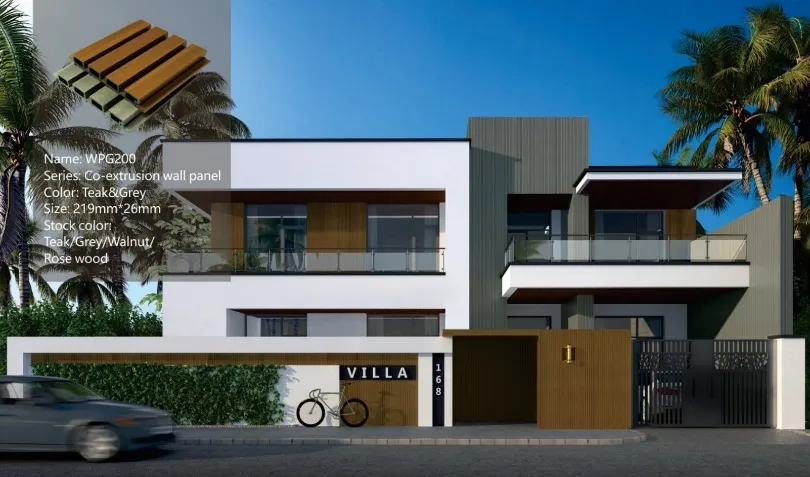
Numbers and tables are great, but nothing beats seeing WPC in action. Let's look at two projects where WPC wall panel solutions made a tangible difference—for both the environment and the people using the spaces.
Sarah and James, a young couple in Jeddah, wanted their first home to be as eco-friendly as possible. They'd read about the benefits of sustainable building and were determined to reduce their carbon footprint. When it came to wall panels, they initially considered solid wood for its natural look—until their contractor mentioned WPC. Skeptical at first ("How can plastic and wood waste look good?"), they visited our showroom and were shocked by the options: WPC panels that mimicked oak, maple, and even stone. They chose a warm walnut finish for their living room and bedroom walls.
Three years later, they're thrilled. "The panels still look brand new," Sarah says. "We've had no issues with moisture (even during humid summers), and we love knowing we didn't cut down any trees for our home. Plus, not having to repaint every few years? That's a huge time and money saver." According to their energy audit, their home's carbon footprint is 30% lower than similar-sized houses in their neighborhood—largely thanks to their WPC walls and flooring solutions (they opted for WPC flooring too).
In Riyadh, GreenSpaces Office Park set out to be the city's first LEED Platinum-certified commercial complex. Their goal? To create a workspace that was not only energy-efficient but also used sustainable materials throughout. The architects specified WPC wall panel solutions for all common areas—lobbies, hallways, and meeting rooms—and paired them with bamboo charcoal board wall panels in offices to enhance indoor air quality. (Bamboo charcoal, known for its natural odor-absorbing properties, complements WPC's low-VOC benefits perfectly.)
Today, GreenSpaces is a model for sustainable commercial design. "Choosing WPC was a no-brainer," says project manager Ahmed. "We needed something durable enough for high foot traffic, low-maintenance for our facilities team, and eco-friendly to hit our LEED targets. WPC checked all three boxes. Plus, the panels' wood-like finish creates a warm, inviting atmosphere—employees love it." Since opening, GreenSpaces has reduced its annual carbon emissions by 45 tons compared to traditional office buildings of the same size.
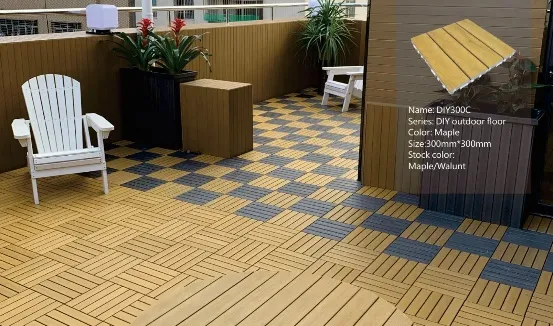
As the demand for sustainable building materials grows, WPC is only getting better. Suppliers like us are constantly innovating to make WPC even more eco-friendly. For example, some manufacturers are now using 100% recycled plastic (up from 30-50% a decade ago) and incorporating agricultural waste like rice husks or coconut shells into the mix. Others are powering production facilities with solar energy, further reducing the carbon footprint of WPC panels.
And WPC isn't alone. Complementary materials like bamboo charcoal board wall panels (which purify air) and Class A fireproof CPL inorganic boards (ideal for hospitals and schools where safety is paramount) are joining the sustainable lineup, giving architects and homeowners more options than ever to build green. Together, these materials are proving that sustainability and style can go hand in hand.
Looking ahead, the future of building is circular. It's about materials that use waste, last longer, and can be recycled. It's about suppliers who prioritize the planet as much as profit. And it's about you—whether you're a homeowner, architect, or business owner—making choices that leave the world better than you found it.
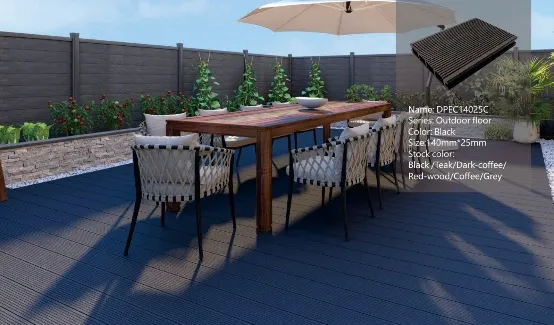
Back to Maria, the architect we met at the start. Her project? The net-zero office building in Riyadh. She ended up using WPC wall panel solutions throughout the lobby, hallways, and staff break rooms. The result? A stunning space that's not only beautiful but also 25% more energy-efficient than the original design. "WPC wasn't just a material choice," she says. "It was a statement. A way to show that we can build for the future without sacrificing the present."
At the end of the day, choosing WPC wall panels isn't just about walls. It's about reducing deforestation. It's about keeping plastic out of oceans. It's about creating spaces that are healthy for people and the planet. It's about small choices adding up to big change.
So, whether you're building a home, an office, or a school, remember: the materials you choose matter. And with WPC wall panel solutions , you can build something beautiful—without costing the Earth.
Recommend Products











