
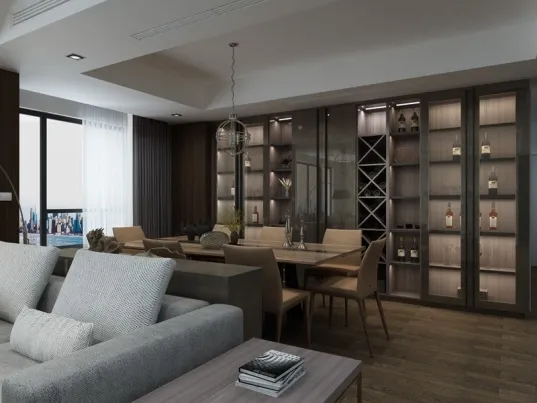
For wine enthusiasts, a collection isn't just about bottles—it's about preserving stories, terroir, and the subtle nuances that make each vintage unique. That's where custom wine cabinets come in, blending functionality with personal style. But what really sets a premium custom wine cabinet apart? Two elements stand out: a reliable constant temperature and humidity system, and carefully chosen professional shelf materials. Let's dive into why these components matter, how they work, and why they're non-negotiable for anyone serious about wine preservation.
Think about the last time you opened a bottle of wine that had been stored poorly—maybe it tasted flat, or overly acidic, or had that unpleasant "corked" smell. Chances are, temperature or humidity fluctuations were to blame. Wine is a living, breathing beverage; its chemical composition changes with every degree of temperature shift or spike in moisture. For red wines like Cabernet Sauvignon, ideal storage temperatures hover around 12–14°C (54–57°F), while whites like Sauvignon Blanc prefer slightly cooler conditions at 10–12°C (50–54°F). But it's not just about hitting the right number—it's about keeping that number steady.
Fluctuations are the real enemy. A wine cabinet that drifts from 10°C to 20°C overnight forces the wine to expand and contract, pushing against the cork. Over time, this can cause the cork to dry out, letting air seep in and oxidize the wine. Similarly, humidity levels that swing too low (below 50%) dry out corks, while levels above 75% risk mold growth on labels and corks. This balance is why a wine cabinet supplier worth their salt will prioritize a precision climate control system over flashy exteriors.
Not all temperature control systems are created equal. Budget wine coolers might use simple thermoelectric cooling—quiet and energy-efficient, but less precise and prone to temperature swings in warm rooms. For serious collectors, compressor-based systems are the gold standard. These work like a mini refrigerator but with far more sophistication: a variable-speed compressor adjusts its output based on external conditions, maintaining internal temperatures within ±0.5°C. Some high-end models even feature dual-zone cooling, letting you store reds and whites at their ideal temperatures in separate compartments.
| System Type | Precision (±°C) | Noise Level | Best For |
|---|---|---|---|
| Thermoelectric | 1–2°C | Low (30–40dB) | Small collections, cool rooms |
| Compressor (Single-Zone) | 0.5–1°C | Moderate (40–50dB) | Medium collections, consistent room temps |
| Compressor (Dual-Zone) | 0.5°C | Moderate (45–55dB) | Large collections with mixed wine types |
Another key feature is insulation. Premium cabinets use high-density polyurethane foam insulation—thicker than what you'll find in standard fridges—to lock in temperature. Some even add a vapor barrier to prevent condensation, a common issue in humid climates. The result? A system that doesn't just cool, but protects —ensuring your wine ages gracefully, not grudgingly.
Humidity control often takes a backseat to temperature, but it's just as critical. Most wine cabinet systems handle humidity through a built-in evaporator: as the system cools, moisture in the air condenses on the evaporator coils, which is then either released (to lower humidity) or reintroduced (to raise it) via a humidity tray or misting system. Advanced models use digital hygrometers to monitor levels in real time, adjusting automatically to keep humidity between 60–70%—the sweet spot where corks stay supple and labels remain intact.
Pro tip: Avoid cabinets with "passive" humidity control (just a water tray). These can't adjust to seasonal changes—think summer humidity spikes or winter dryness. Opt for active systems with sensors and adjustable settings, a hallmark of quality wine cabinet solutions .
Once you've nailed the climate control, the next step is the shelves—the literal foundation of your wine storage. Shelves do more than hold bottles; they need to support weight (a standard bottle weighs ~1.2kg, and a full shelf could hold 10+ bottles), resist moisture, and complement the cabinet's design. The wrong material can warp, scratch bottles, or even leach odors into your wine. Let's break down the top options and when to use them.
Wooden shelves are a timeless choice, adding warmth and elegance that complements both traditional and modern interiors. Hardwoods like oak, beech, or mahogany are popular—they're strong, have a beautiful grain, and can be stained to match your cabinet's finish. But wood is porous, which means it absorbs moisture. Without proper treatment, it can warp, crack, or grow mold in high-humidity environments. That's why reputable suppliers often seal wooden shelves with food-grade lacquer or beeswax, creating a barrier against moisture while preserving the wood's natural look.
Another consideration is slanting. Most wooden shelves are sloped at a 15° angle, keeping bottles tilted so the wine stays in contact with the cork, preventing it from drying out. This small detail makes a big difference in long-term storage.
For collectors with large, heavy bottles (looking at you, Champagne magnums or Bordeaux futures), metal shelves are the way to go. Stainless steel is the top pick—it's rust-resistant, easy to clean, and can support up to 50kg per linear meter. Some designs feature a powder-coated finish in black, gold, or bronze, adding a sleek, industrial edge to the cabinet. The downside? Metal conducts temperature, so if the cabinet's climate system has hot spots, the shelves could transfer that heat to the bottles. To mitigate this, look for shelves with a rubberized coating or wooden inserts, which insulate the bottles and prevent slipping.
For those who want their wine cabinet to double as a design statement, stone or composite shelves deliver. Materials like marble, granite, or even wood grain series composites (which mimic natural wood but are moisture-resistant) add a high-end feel. Marble, for example, has natural cooling properties, helping to stabilize temperatures around the bottles. Composite materials, often made from resin and stone dust, are non-porous, scratch-resistant, and customizable—you can choose from a range of colors and textures to match your space.
The tradeoff? Weight. Stone shelves are heavy, so the cabinet's frame needs to be reinforced. They're also more expensive than wood or metal, making them a choice for those prioritizing aesthetics alongside function.
Every wine collection is unique, and your cabinet should reflect that. This is where customized furnitures solutions shine. A good wine cabinet supplier won't just sell you a "one-size-fits-all" unit—they'll work with you to design a system that fits your space, collection size, and personal preferences. Maybe you need a dual-zone cabinet for reds and whites, or pull-out shelves for easy access, or glass doors with UV protection to showcase your bottles without exposing them to light damage (UV rays break down wine's tannins and aromas, so tinted or UV-filtered glass is a must).
Take the example of a client with a 200-bottle collection: 60% reds, 30% whites, and 10% sparkling. A custom solution might include three temperature zones (14°C for reds, 11°C for whites, 8°C for sparkling), adjustable wooden shelves for reds, metal shelves for the heavier sparkling bottles, and LED lighting to highlight special vintages. The cabinet would be built to fit a niche in their basement, with a door finish matching their existing woodwork. This level of personalization isn't just about convenience—it's about creating a storage system that grows with your collection.
It's tempting to opt for a budget wine cabinet with basic cooling and generic shelves, but the risks far outweigh the savings. A faulty temperature system could ruin a $500 bottle of Burgundy; warped shelves might crack a rare Champagne; poor humidity control could turn your label collection into a moldy mess. Investing in a cabinet with a reliable climate system and quality shelves is an investment in your wine's value and longevity.
When shopping, ask suppliers about system warranties (look for 3+ years), shelf weight limits, and humidity control accuracy. Reputable wine cabinet solutions providers will be happy to share test data, customer reviews, and even let you inspect sample units. Remember: a wine cabinet isn't just furniture—it's a preservation tool, and the best ones are built to protect your collection for decades.
At the end of the day, custom wine cabinets are about more than storing bottles—they're about honoring the craftsmanship that goes into each wine, and the memories you'll create when you finally pop the cork. A well-designed constant temperature and humidity system ensures those wines age to their full potential, while thoughtful shelf materials keep them safe and accessible. Whether you're a casual collector or a serious enthusiast, these two core elements are the difference between a cabinet that looks good and one that works —preserving not just wine, but the stories behind every bottle.
Recommend Products












