


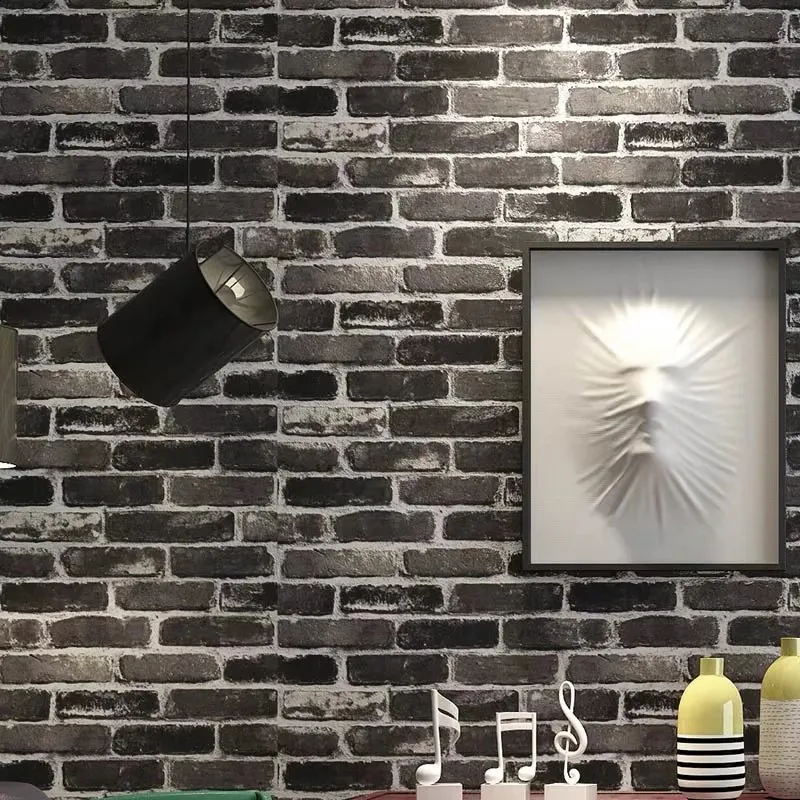
Walk through any neighborhood in North America, and you'll likely see it. Not just brick or vinyl siding, but the rich textures of cultural stone, the layered elegance of shale, or the sculptural grace of feather stone gracing homes. These materials aren’t just functional; they're storytellers—connecting us to land, heritage, and timeless design that feels simultaneously rugged and refined. Their resurgence isn't accidental but rooted in what we’re all craving: authenticity.
What makes these stones resonate so powerfully? They feel real in a world obsessed with filters and faux. They're the antidote to sterile minimalism—a way to wrap our homes in something tactile, soulful, and grounded. Whether it's a cultural stone accent wall anchoring a modern facade or feather stone creating drama around a fireplace, these materials work because they refuse to be ignored. They demand touch. They carry centuries in their cracks.
In an era when sustainability matters more than ever, these natural stones also deliver durability without compromise. They weather beautifully, needing no replacement every decade like synthetic alternatives. Builders love them for their versatility; designers love them for their character; and homeowners? They fall in love because these stones don’t just adorn a house—they animate it, making spaces feel storied instead of staged.
Back to the Earth: Why Stone Still Feels Like Home
Stone in North American architecture isn’t new. Indigenous cultures, pioneers, and early builders understood its resilience intuitively. But somewhere along the way, practicality overtook poetry. Cheap siding and mass-produced panels flattened neighborhoods into clones. That aesthetic fatigue is precisely why stone’s return feels revolutionary—it’s restorative, like planting old-growth trees in a plastic forest.
Think of shale: stacked like the pages of a geologic diary. Builders utilize it to conjure cozy rusticity—think patios with deep earth tones or entryways that echo mountainsides. Or cultural stone: irregular, tactile, almost hand-hewn. It instantly roots homes in place, whether evoking New England coastlines or Southwestern canyons. Then there’s feather stone. Sculptural and rare, it’s deployed for moments of awe—a fireplace surround that becomes hearth art or an outdoor kitchen focal point. These stones are visceral landmarks. Touch one: cool to the fingers; warm to the imagination.
Beyond aesthetics lies pragmatism. Today, stone anchors sustainability-focused builds. Unlike plastics that shed micro-particles, stones like shale and feather weather naturally—they’re slow architecture. They resist erosion, UV damage, and freeze-thaw cycles outlasting synthetics many times over. Plus, they work harmoniously with passive heating/cooling systems, cutting energy use. That longevity isn’t just eco-friendly; it’s fiscally smart. Homeowners get decades, not years, from these investments.
Design Alchemy: Turning Stone Into Living Spaces
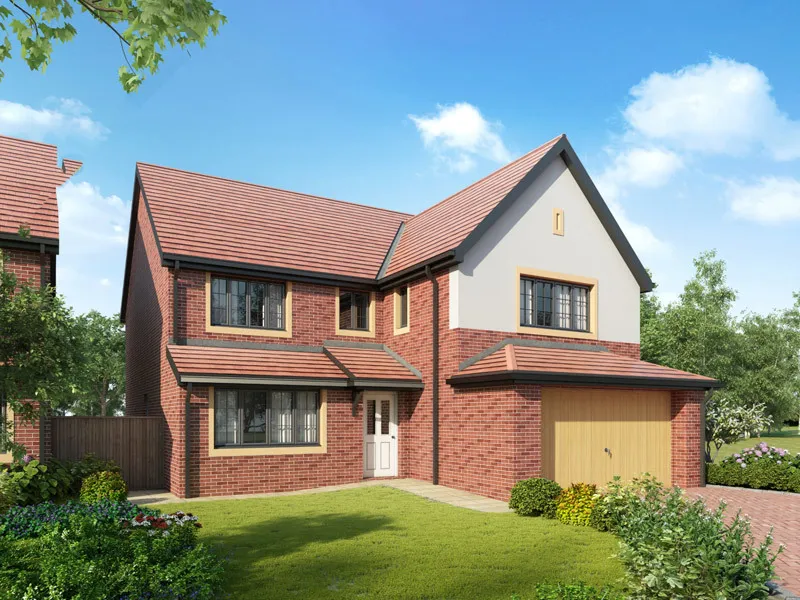
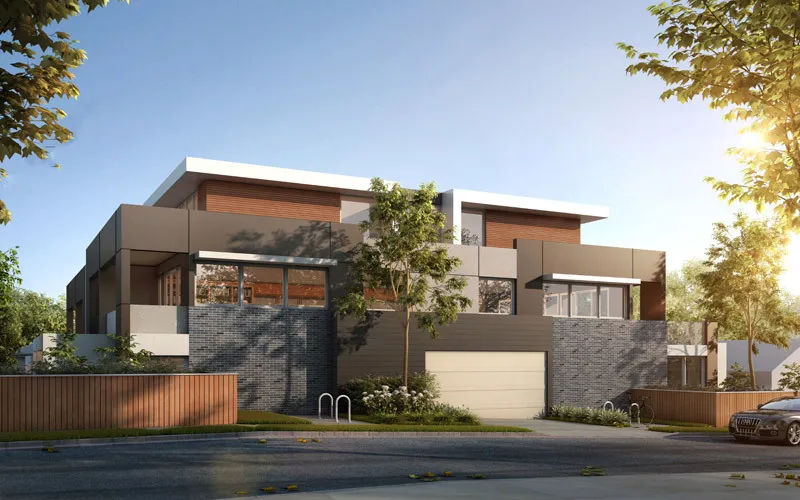
How do today’s designers wield stone as more than trim? It starts with contrast. Picture a stark, minimalist home facade broken by one wall of wild, angular cultural stone. Suddenly, flat becomes fascinating. The rough texture against smooth stucco or dark metal panels injects rhythm, breaking monotony into dynamic visual poetry. This isn't just style; it’s narrative architecture—your home literally wearing its history.
Interiors leverage stone equally powerfully. Kitchens with feather stone backsplashes become edible art—shadows dancing across organic forms. Living rooms gain grounding anchors: fireplaces wrapped in warm shale tones that echo forest floors. For exteriors, consider the humble retaining wall—often an afterthought. Now clad it with layered shale, and it shifts from functional to phenomenal: a geological sculpture softening slopes while elevating gardens.
For lighting designers, stone is gold. Indirect LEDs graze cultural stone surfaces, coaxing depth out of crevices. Sunset hitting a shale feature wall? Pure magic—shifting from chocolate to copper as day fades. This play of light doesn’t just highlight stone; it choreographs moments. You don’t just walk by a stone accent; you pause. You notice.
2024 Trends: Stone Gets Personal and Purposeful
| Style | Applications | Regional Influence |
|---|---|---|
| Organic Modern | Fireplace features, kitchen islands | Pacific Northwest |
| Agrarian Rustic | Retaining walls, outdoor kitchens | Prairie States |
| Coastal Natural | Pool coping, exterior accents | New England, California |
| Desert Textural | Entry columns, garden pathways | Southwest |
The trend toward hyper-personalization turns stone selection intimate. Families aren’t just picking "beige stone"; they’re exploring:
- Story Stones —Locally quarried cultural stones that literally root homes in geography.
- Heritage Applications —Replicating ancestral building patterns using shale as weathered cladding.
- Sculptural Splashes —Feather stone as standalone art; fewer accents, more focal drama.
Practical innovations meet creativity too. Feather stone now features in modular veneer systems—making installs easier without sacrificing wow. Meanwhile, synthetic blends mimic shale’s layers while offering wilder color palettes. But purists agree: authenticity sells. Nothing replicates natural stone’s quirks—veins only nature could draft.
Designers also leverage stones for function. A cultural stone wall cladding system isn’t just pretty; it anchors thermal mass, regulating interior climates passively. Feather stone facades reduce noise pollution—stone buffers sound. Even shale’s porosity is weaponized for rain screening in wet climates. Stone works harder now. Smarter too.
Choosing Your Stone Soulmate: Practical Guidance
Selecting your stone isn’t superficial; it’s relationship-building. Want your entryway to hug guests? Go cultural stone—thick textures invite touch. Dreaming of Zen calm indoors? Feather stone—its curves whisper tranquility. Need utilitarian elegance? Shale: low-maintenance resilience wrapped in geologic art.
Cost factors vary. Feather stone remains premium; its rarity and labor-intensive mining justify prices. Yet long-term value outperforms synthetics—no fading or warping. Cultural stone costs scale with complexity: highly irregular patterns demand artisan precision. Budget-friendly shale offers high impact at accessible rates. Tip: always budget 10-15% overages—stone’s natural variations require flexibility.
Maintenance? Simple wisdom: let patina happen. Stone’s beauty evolves. Avoid harsh cleaners; soft washes suffice. Efflorescence (salt residue)? Temporary—nature self-cleans. Protect surfaces near grills/salt-spray zones with penetrating sealants, but generally—stone thrives on benign neglect. Age = character.
Tomorrow’s Stone: Sustainability Meets Smart Design
Future trends lean into ecology. Expect thinner veneers—less quarry impact—without sacrificing presence. Recycled stone composites gain traction, blending cultural stone aesthetics with post-industrial materials. Even lab-grown shale enters prototyping, mimicking natural layers ethically.
Smart integration wows too. Imagine feather stone with embedded LEDs glowing like captured fireflies. Or responsive cultural stone walls that "breathe"—expanding/contracting microscopically with humidity to regulate interiors naturally. Or AI-assisted shale patterns that predictively self-clean or release minerals to discourage moss.
The biggest shift? Stone no longer sits silent. Today’s designers talk carbon sequestration. Stone literally stores CO 2 as it ages. It’s passive eco-action—walls that clean air while beautifying space. Shale’s thermal properties now pair with geothermal systems; cultural stone becomes radiant heat conduits. Stone isn’t inert; it’s alive in service.
For homeowners, the promise is clear: stone transcends trend. It grounds us. It speaks of patience—geologic time made tactile. We build with it not just because it’s beautiful or strong, but because it reminds us: good things endure. As synthetic alternatives rise and fall, cultural stone, shale, and feather stone remain. Quietly. Resolutely. Home.
"Stone doesn’t impose—it proposes. It invites you to touch, remember, and belong. That’s why we keep returning. It feels less like material and more like memory turned solid."
So next time you see a home wrapped in cultural stone, pause. That’s not just cladding; it’s conversation—between past landscapes and present dreams. North America builds its future on stone because stone built us first. And that story? It never gets old.










