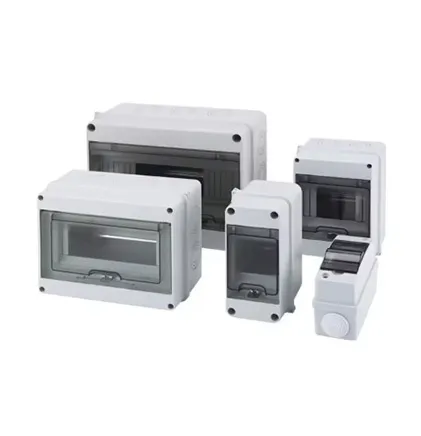
The Complete Guide to Distribution Box Solutions for Modern Building Projects
How the right electrical distribution system ensures safety, efficiency, and long-term reliability in residential and commercial construction
Every building — whether a single-family home, a high-rise office tower, or an industrial facility — depends on one critical piece of infrastructure that rarely gets the attention it deserves: the electrical distribution system. At the heart of that system sits the distribution box, the central hub that receives power from the main supply and routes it safely to every circuit throughout the structure. Choosing the right
distribution box solutions is not just a matter of convenience; it is a foundational decision that affects safety, code compliance, energy efficiency, and the long-term durability of the entire electrical installation.
What Is a Distribution Box and Why Does It Matter?
A distribution box — also known as a distribution panel, breaker panel, or electrical panel — is the enclosure that houses circuit breakers, fuses, and other protective devices. Its primary function is to divide an incoming electrical feed into multiple subsidiary circuits while providing a protective mechanism for each one. When a fault occurs, such as an overload or short circuit, the corresponding breaker trips and isolates the affected circuit, preventing damage to wiring and connected equipment.
Beyond basic protection, a well-designed distribution box contributes to overall system organization. It provides a single, accessible location for maintenance personnel to inspect circuits, perform troubleshooting, and carry out upgrades. In modern smart buildings, the distribution box can also integrate with energy monitoring systems to track consumption patterns and identify inefficiencies before they become costly problems.
Key Components of a Complete Electrical Distribution System
A distribution box does not operate in isolation. It works in concert with several other components to form a complete electrical infrastructure. Understanding these interconnected elements is essential for anyone planning a new construction or major renovation project.
Distribution Box (Main Panel): The central enclosure that receives power from the utility and distributes it to branch circuits. Available in surface-mounted and flush-mounted configurations, with options ranging from 100A to 400A for residential applications and up to several thousand amps for commercial and industrial settings.
Switches and Sockets: The user-facing interface of any electrical system. High-quality
switches & socket solutions ensure reliable daily operation, reduce fire risk from poor connections, and contribute to the aesthetic finish of interior spaces. Modern designs offer options from classic white finishes to decorative metallic panels that complement contemporary interior design.
Cables and Wiring: The arteries of the electrical system. Proper
cables solutions involve selecting the correct conductor size, insulation type, and fire-resistance rating for each application. Using undersized or improperly rated cables is one of the most common causes of electrical fires and equipment failure.
Circuit Breakers and Protective Devices: Including MCBs (Miniature Circuit Breakers), RCDs (Residual Current Devices), and surge protection devices that guard against overloads, earth leakage faults, and voltage spikes respectively.
How to Choose the Right Distribution Box for Your Project
Selecting the appropriate distribution box requires evaluating several technical and practical factors. A systematic approach to this decision helps avoid costly mistakes and ensures the installation meets both current needs and future expansion requirements.
1. Load Calculation: Begin by calculating the total connected load and the maximum demand of the building. This determines the main breaker rating and the number of outgoing circuits needed. Always factor in a 20-25% margin for future expansion — adding circuits later is far more expensive than installing a slightly larger panel from the start.
2. Enclosure Type and Rating: Consider the installation environment. Indoor residential panels may require only a basic IP20 rating, while outdoor or industrial installations need weatherproof enclosures rated IP65 or higher. Material selection matters too — metal enclosures offer better fire resistance, while plastic enclosures provide corrosion resistance in humid or coastal environments.
3. Compliance with Local Standards: Different regions have different electrical codes. In the Middle East, for example, projects often need to comply with both international standards (IEC) and local regulations such as SASO in Saudi Arabia. Working with a supplier who understands these regional requirements saves time during the approval and inspection process.
4. Modularity and Serviceability: Look for panels with ample wiring space, clearly labeled terminals, and a layout that allows electricians to work safely and efficiently. A well-organized panel reduces maintenance time and the risk of wiring errors during future modifications.
The Advantage of One-Stop Electrical Sourcing
One of the most significant challenges in construction procurement is coordinating multiple suppliers for different electrical components — distribution boxes from one vendor, switches and sockets from another, cables from a third. This fragmented approach creates several problems: inconsistent quality across components, compatibility issues between products from different manufacturers, delayed deliveries that hold up the entire project schedule, and administrative overhead from managing multiple purchase orders, shipments, and invoices.
A one-stop building materials supplier eliminates these pain points by providing all electrical components — distribution boxes, switches, sockets, cables, circuit breakers, and more — from a single source. This integrated approach ensures that every component is selected to work together seamlessly, quality standards are consistent across the entire electrical system, and project timelines stay on track with coordinated logistics.
COLORIA GROUP, headquartered in Foshan, China, with an overseas agent in Saudi Arabia, offers exactly this kind of comprehensive procurement solution. With over a decade of experience supplying building materials for residential and commercial projects worldwide, the company provides everything from distribution boxes to lighting fixtures to plumbing systems — all under one roof. For contractors and developers working on large-scale projects in the Middle East, Africa, and Southeast Asia, this translates to fewer suppliers to manage, more predictable delivery schedules, and competitive pricing through consolidated purchasing.
Installation Best Practices
Even the highest-quality distribution box will underperform if installed incorrectly. Following established best practices ensures the installation delivers its full safety and performance potential.
Always install the distribution box in a dry, accessible location away from water sources, gas lines, and combustible materials.
Maintain the manufacturer’s specified clearance distances around the panel for proper ventilation and safe working access.
Label every circuit clearly at the time of installation — this simple step saves hours of troubleshooting later and is a code requirement in most jurisdictions.
Use properly sized cable glands or conduit entries to maintain the enclosure’s ingress protection rating.
Verify that all connections are properly torqued; loose connections are one of the leading causes of panel overheating and failure.
Conduct a thorough testing and commissioning process before energizing the system, including insulation resistance testing and earth continuity verification.
Common Mistakes to Avoid
Over the years, electrical contractors and project managers have learned some lessons the hard way. Here are the most frequent mistakes to watch out for when planning and installing distribution box systems:
Undersizing the panel: Installing a panel that barely meets current demand leaves no room for growth. Future renovations or equipment additions will require an expensive panel upgrade or sub-panel installation.
Mixing component brands indiscriminately: While many circuit breakers are physically interchangeable, mixing brands within a panel can void warranties and may violate product certification requirements. Stick with components that are tested and certified to work together.
Neglecting surge protection: In regions with unstable grid power or frequent lightning activity, a distribution box without surge protection leaves every connected device vulnerable. The cost of adding SPD (Surge Protective Device) modules is trivial compared to the cost of replacing damaged equipment.
Poor documentation: Failing to update panel schedules and single-line diagrams after modifications creates confusion and safety hazards for anyone who works on the system later.
Frequently Asked Questions
Q: What is the typical lifespan of a distribution box?
A: A quality distribution box installed in a clean, dry environment can last 25 to 30 years or more. However, internal components like circuit breakers may need replacement after 15-20 years depending on usage and environmental conditions. Regular inspection by a qualified electrician is recommended every 5-10 years.
Q: How do I know if my distribution box needs an upgrade?
A: Warning signs include frequent breaker tripping, flickering lights when appliances start, a burning smell near the panel, warm or discolored breaker faces, and the presence of outdated fuse-wire technology instead of modern circuit breakers. If your panel is more than 20 years old, an upgrade is worth considering even without obvious symptoms.
Q: Can I install a distribution box myself?
A: Electrical panel installation is not a DIY project. It involves working with live utility connections, requires specialized tools and knowledge, and must comply with local electrical codes. Improper installation can result in fire, electrocution, or failed inspections. Always hire a licensed electrician for distribution box installation.
Q: What is the difference between a main distribution board and a sub-distribution board?
A: The main distribution board (MDB) receives power directly from the utility transformer and distributes it to sub-distribution boards (SDBs) located throughout the building. Sub-distribution boards then distribute power to final circuits. This hierarchical structure is common in large buildings where running all circuits back to a single panel would be impractical.
Ready to Source Your Electrical Distribution System?
COLORIA GROUP is a one-stop building materials supplier with comprehensive solutions for electrical distribution, including distribution boxes, switches and sockets, cables, and all related components. Based in Foshan, China, with an agent in Saudi Arabia, the company serves contractors, developers, and project owners across the Middle East, Africa, and Asia. For product specifications, pricing, or to discuss your project requirements, visit the official website or contact the sales team directly.
Together We Build the Future.