
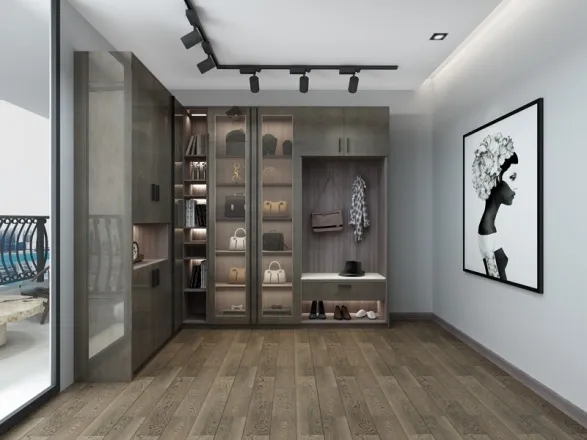
The entryway is the first space guests see when they step into your home, and nothing ruins a first impression faster than a pile of shoes scattered across the floor. A well-designed shoe cabinet does more than just tidy up — it sets the tone for your entire living space. Whether you live in a compact apartment or a spacious villa, a thoughtfully chosen shoe cabinet brings order, style, and functionality to your daily routine.
Beyond aesthetics, a shoe cabinet protects your footwear from dust, moisture, and damage. It also helps you stay organized, saving precious minutes during your morning rush. For homeowners, property developers, and interior designers alike, sourcing from a professional shoe cabinet supplier is the first step toward creating a practical and visually appealing entryway.
Shoe cabinets come in a variety of styles, each suited to different needs and spaces. Understanding the available options will help you make the right choice for your project.
Freestanding models are the most common type. They sit independently against a wall and come in various sizes, from slim 2-tier designs to large 8-tier storage units. These are ideal for rental properties or spaces where built-in furniture is not an option.
Built-in cabinets are integrated into the wall structure, offering a seamless look that blends perfectly with the surrounding decor. These are popular in modern homes and apartments where every inch of space counts. They can be designed to match the overall interior theme, from minimalist to classic.
Flip-drawer cabinets feature tilted compartments that allow you to store shoes at an angle, making them easy to see and access. This design is space-efficient and works well in narrow hallways. Many modern designs incorporate soft-close mechanisms for a premium feel.
For those with extensive shoe collections, rotating cabinets offer maximum storage density. These cylindrical units spin to reveal multiple tiers of storage, often accommodating 30 or more pairs of shoes in a surprisingly compact footprint.
Combining seating with storage, bench-style cabinets let you sit down while putting on or taking off shoes. This dual-purpose design is particularly useful for families with children or elderly members.
Selecting the right shoe cabinet involves more than just picking a design you like. Here are the essential factors to evaluate before making a purchase.
Start by counting how many pairs of shoes your household needs to store. A family of four typically requires space for 20 to 30 pairs. Measure your available floor space carefully — including height, width, and depth — to ensure the cabinet fits comfortably without obstructing walkways.
Shoes need to breathe. Cabinets with ventilation slots or louvered doors allow air circulation, preventing odors and mold buildup. This is especially important in humid climates where moisture can quickly damage footwear.
Consider who will use the cabinet most frequently. If children need to access their shoes, choose a design with lower compartments they can reach easily. For elderly users, avoid cabinets that require excessive bending or stretching.
The cabinet should complement your existing decor. Wood finishes bring warmth to traditional interiors, while high-gloss lacquer or metal accents suit contemporary spaces. A customized furnitures solutions provider can tailor the finish to match your exact requirements.
Shoe cabinets range from budget-friendly flat-pack options to premium custom-built pieces. Determine your budget early, but remember that a well-made cabinet from a reputable supplier is a long-term investment that pays off in durability and daily satisfaction.
One of the biggest decisions you will face is whether to buy a ready-made cabinet or commission a custom piece. Both approaches have their merits.
Pros:
Cons:
Pros:
Cons:
For homeowners who value a cohesive look and long-term durability, custom cabinets are the superior choice. Working with an experienced supplier ensures that every detail — from the wood grain direction to the handle style — aligns with your vision.
The material you choose affects not only the appearance of your shoe cabinet but also its durability and maintenance requirements.
Solid wood cabinets offer timeless beauty and exceptional durability. Oak, walnut, and teak are popular choices for high-end projects. Wood develops a natural patina over time, adding character to your entryway. However, solid wood is sensitive to humidity changes and may require periodic treatment.
Medium-density fiberboard (MDF) and plywood are cost-effective alternatives to solid wood. They resist warping better than natural wood and can be finished with veneers, laminates, or paint to achieve virtually any look. MDF with a high-quality laminate finish is an excellent choice for contemporary interiors.
Metal cabinets offer an industrial aesthetic and outstanding durability. Powder-coated steel frames resist rust and scratches, making them suitable for high-traffic commercial environments or modern loft-style homes. Metal cabinets often feature open shelving, which provides excellent ventilation.
For environmentally conscious buyers, bamboo charcoal boards and other sustainable materials are gaining popularity. These options offer a unique texture and natural antimicrobial properties, making them ideal for shoe storage.
Not every home has a spacious foyer. Here are creative strategies to maximize storage in compact entryways.
When floor space is limited, go vertical. Tall, narrow cabinets that reach toward the ceiling make use of otherwise wasted wall space. A cabinet that is only 40 cm wide can store 15 or more pairs of shoes when designed with multiple tiers.
The space beneath a staircase is often underutilized. Custom pull-out drawers that fit into the triangular void under stairs can create a hidden shoe library that is both practical and conversation-worthy.
Combine a shoe cabinet with a coat rack, a mirror, and a small console table into a single integrated unit. This approach creates a cohesive entryway solution that handles all your coming-and-going needs in one compact footprint.
Corner spaces are tricky to furnish but perfect for a custom shoe cabinet. A triangular or L-shaped design can turn an awkward corner into a functional storage zone without encroaching on the main walkway.
A shoe cabinet should not be an afterthought. When planning a renovation or new build, consider how it fits into the broader design scheme. Whole-house customization ensures that every element — from the shoe cabinet in the entryway to the wardrobes in the bedrooms — shares a consistent design language.
If your home features custom-built kitchen cabinets, a TV cabinet, or a walk-in closet, your shoe cabinet should echo the same materials, finishes, and hardware. This creates visual harmony that makes the entire home feel thoughtfully designed rather than pieced together.
A shoe cabinet in a color that contrasts sharply with the rest of the entryway can feel jarring. Work with your supplier to select a finish that either matches the wall color for a seamless look or complements it with a carefully chosen accent tone.
Consider adding LED strip lighting to your shoe cabinet design. Soft illumination inside the cabinet makes it easy to find the right pair of shoes in low light, while external accent lighting can highlight the cabinet as a design feature in its own right.
Proper care extends the life of your shoe cabinet and keeps it looking its best for years.
Wipe down the exterior with a soft, damp cloth weekly to remove dust. For wood cabinets, use a wood-specific cleaner every few months to nourish the surface. Avoid harsh chemical cleaners that can strip finishes or discolor materials.
Remove all shoes and vacuum the interior compartments monthly. This prevents dust and debris from accumulating in corners. If your cabinet has ventilation slots, check that they remain unobstructed for proper airflow.
Check hinges, drawer slides, and handles periodically. Tighten any loose screws and apply a small amount of lubricant to moving parts if they start to squeak or stick. Soft-close mechanisms should operate smoothly — if they do not, consult your supplier for adjustment guidance.
In humid environments, place a small desiccant pack or a moisture absorber inside the cabinet to protect both the cabinet materials and your shoes. Some custom cabinets can be built with integrated ventilation fans for active moisture management.
The quality of your shoe cabinet depends heavily on the supplier you choose. A professional shoe cabinet supplier offers more than just a product — they provide expertise, customization options, and reliable after-sales support.
Experience and Track Record: Look for a supplier with a proven history in the building materials and furniture industry. Companies with decades of experience have refined their manufacturing processes and quality control standards.
Product Range: A supplier that offers a wide range of furniture categories — from shoe cabinets and kitchen cabinets to wardrobes and TV cabinets — can ensure consistency across your entire project. This is especially valuable for large-scale residential or commercial developments.
Customization Capability: The best suppliers offer customized furnitures solutions that allow you to specify dimensions, materials, colors, and features. Off-the-shelf products may not meet the unique requirements of your space.
Quality Assurance: Ask about the materials used, the manufacturing process, and any quality certifications. Reputable suppliers are transparent about their sourcing and production methods.
Global Reach: If you are managing a project overseas, choose a supplier with international logistics experience. A supplier with agents in key markets — such as the Middle East — can streamline the ordering and delivery process, reducing lead times and minimizing complications.
A shoe cabinet is more than a storage box — it is the first piece of furniture you interact with when you arrive home and the last one you see when you leave. Choosing the right cabinet transforms a cluttered entryway into an organized, welcoming space that reflects your personal style.
By understanding the types, materials, and design options available, you can make an informed decision that balances aesthetics, functionality, and budget. Whether you need a compact flip-drawer unit for a narrow hallway or a full custom-built entryway system integrated into a whole-house design plan, the right supplier makes all the difference.
Investing in a quality shoe cabinet from an experienced supplier ensures that your entryway remains organized, beautiful, and functional for years to come. Take the time to explore your options, consult with professionals, and choose a solution that truly fits your home and your lifestyle.
A standard freestanding shoe cabinet with 3 to 4 tiers typically holds 12 to 18 pairs of adult shoes. Custom cabinets can be designed to accommodate 30 pairs or more, depending on the available space.
The recommended depth is 30 to 35 cm for standard shoe storage. For larger shoe sizes or boots, a depth of 40 cm or more may be necessary. Custom cabinets can be built to any depth specification.
Yes, custom cabinets are worth the investment if you want a perfect fit for your space, specific material choices, and a design that matches your interior style. They also tend to be more durable than mass-produced alternatives.
Choose a cabinet with ventilation features, clean shoes before storing them, and use moisture absorbers or activated charcoal packs inside the cabinet. Regular airing of the cabinet also helps.
Absolutely. By working with a supplier that offers customized furnitures solutions, you can specify the same materials, finishes, and hardware used in your kitchen cabinets to create a consistent look throughout your home.
Production and delivery times vary by supplier and project complexity. Generally, custom furniture orders take 4 to 8 weeks from design confirmation to delivery. Discuss timelines with your supplier before placing an order.
Recommend Products












