
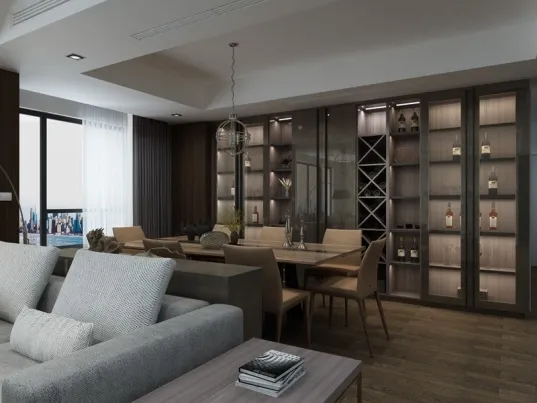
Your curated guide to finding the perfect wine storage solution
Ever opened a bottle you've been saving for a special occasion only to find it tastes... off? That disappointment often traces back to improper storage. Wine is a living, breathing thing that evolves in the bottle, and its environment dramatically shapes that journey. Humidity fluctuations, temperature spikes, and UV light exposure can permanently alter its character.
That's where dedicated wine cabinets come in – they create the stable conditions your bottles deserve. Unlike kitchen refrigerators that dehumidify, or ordinary cabinets that offer no temperature control, these specialized units maintain the precise environment needed for wines to mature gracefully. Whether you've got a growing collection of investment bottles or simply want to enjoy your weekend Chardonnay at its best, the right cabinet transforms how your wine tastes.
temperature-controlled wine cabinet solutions maintain the 55°F (13°C) sweet spot that sommeliers consider essential for proper aging. This consistent climate preserves delicate aromatics and prevents premature oxidation.
These workhorses maintain a single optimized temperature zone (usually 52-55°F) perfect for long-term aging. The steady environment allows tannins to soften gradually and complex flavors to develop. I recommend these for collectors with Bordeaux, Barolos or Napa Cabs that need years to reach their peak.
Dual-zone models let you store reds at cellar temperature while keeping whites and rosés chilled and ready to pour. It's like having a sommelier station in your home! The upper compartment typically stays around 45-50°F for ready-to-drink whites, while the lower section maintains 55°F for aging reds.
Built-ins integrate seamlessly into kitchen cabinetry but require professional installation and ventilation planning. Freestanding units offer more flexibility – you can tuck them into dining rooms, home offices, or under staircases. Pro tip: Measure doorways before purchasing a freestanding cabinet! I've seen collectors realize too late their dream unit won't fit through the front door.
Wine novices often confuse these three, but each serves distinct purposes:
This French innovator continues dominating the premium category. Their 2025 models feature whisper-quiet compressors (barely louder than a refrigerator hum), triple-pane UV-protected glass, and patented humidity management. The adjustable wooden shelves glide smoothly – no more bottle juggling when accessing your prized Burgundies. Ideal for collectors with 100-300 bottles.
A standout for smaller collections (18-45 bottles), this 2025 release offers dual-zone convenience at an accessible price point. The convertible shelves let you store champagne horizontally or showcase special bottles vertically. Its soft interior lighting creates gorgeous ambiance in dining rooms. For renters or apartment dwellers, the compact footprint makes this a game-changer.
German engineering meets modern aesthetics in these 2025 models. The new "VinoCloud" app lets you monitor conditions remotely and receive alerts if temperatures fluctuate. I appreciate the thoughtful details: recessed handles that won't snag clothing, and tinted glass that protects wines while letting you admire labels. Their 400-bottle unit includes specialized areas for magnums and ice wine bottles.
Navigating specifications can feel overwhelming. Focus on these non-negotiables when choosing your cabinet:
Always buy more space than you currently need! Collections inevitably grow. Pro tip: Bottle counts in specifications often assume standard Bordeaux bottles - factor in 20% less capacity if you collect Burgundy (wider bottles) or champagne (taller).
Look for non-varnished wood or coated metal shelves - they won't impart aromas to your wine. Sliding racks are wonderful for back-row access, while removable shelves simplify cleaning. Check the adjustment range too; some cabinets won't accommodate magnums or unusually shaped bottles.
Cabinet location matters! Avoid placing units directly against walls or in sunlight. Listen for dB ratings under 40 for living areas. Front-ventilation designs (like Liebherr's) allow flush installation without sacrificing performance.
Don't overlook modular bookshelf compatibility if incorporating wine storage into existing shelving units. Several premium brands now offer conversion kits.
"But what if I outgrow my cabinet?" is the most common question I hear. Smart solutions exist:
Professional Storage Facilities like Vinovest's London facility offer climate-controlled vaults accessible 24/7. For £30/month you can store cases you don't drink regularly.
Hybrid Approaches: Keep everyday drinkers in a home cabinet, while aging premium bottles offsite. Apps like CellarTracker sync both collections into one inventory.
Remember: Investing in proper storage today preserves your wine investment tomorrow. Whether you choose a compact dual-zone unit or a professional-grade cabinet, creating stable conditions transforms how your wines taste - letting each bottle tell its best possible story.
Recommend Products












