
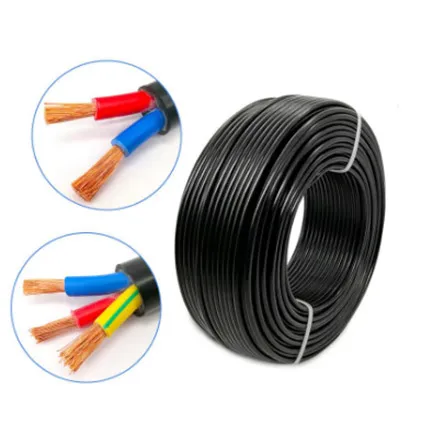
Let's be real—cables are the unsung heroes of our daily lives. They're behind every phone charge, every laptop connection, every light that turns on when you flip a switch. But when was the last time you stopped to think about the cable running from your router to your TV? Or the one powering your home office printer? Probably never. That is, until it stops working. And by then, you're stuck with a dead device, a messy tangle of wires, and a whole lot of regret.
2025 isn't just about fancier gadgets—it's about smarter, safer, and more reliable infrastructure too. And that includes the cables we rely on. Whether you're building a new home, upgrading your office, or just replacing a frayed charging cord, choosing the right cable matters more than you might think. So let's dive in: What makes a cable "the best" in 2025? Which types should you prioritize? And how do you avoid wasting money on something that'll let you down in six months?
First off, let's talk about why this even matters. A bad cable isn't just an inconvenience—it can be a safety hazard. Cheap, uncertified cables are more likely to overheat, fray, or even start a fire. Remember that old phone charger that got too hot to touch? Yeah, that's a red flag. On top of safety, the right cable can actually improve performance. A slow internet connection might not be your provider's fault—it could be the Ethernet cable you picked up for $5 at the convenience store. And durability? We've all dealt with cables that start cracking after a month of bending or get chewed up by the family pet (looking at you, dog owners).
In 2025, the bar is higher. New materials, stricter safety standards, and smarter design mean there's no excuse for settling for subpar cables. But with so many options out there—from USB-C to Ethernet, from power cords to industrial wiring—how do you narrow it down?
If safety is your top priority—and let's be honest, it should be—LSZH cables are where it's at. These cables are designed to release minimal smoke and no toxic halogen gas if they catch fire. That might not sound like a big deal until you imagine a fire in a crowded office building or a small apartment. Traditional PVC cables can release harmful fumes that make it hard to breathe, turning a bad situation worse. LSZH cables are a must for homes, schools, hospitals, and any space where people's lives could be on the line.
Bonus: They're also more flexible than old-school PVC cables, making them easier to install in tight spaces like behind walls or under floors. Perfect for DIY home projects or professional renovations.
We all want faster internet, right? In 2025, Cat 8 Ethernet cables are the gold standard for wired connections. They can handle speeds up to 40 Gbps and bandwidth up to 2 GHz—way more than most home internet plans offer (for now). But here's the thing: future-proofing matters. If you're setting up a home office or a smart home system, investing in Cat 8 now means you won't have to replace cables when your internet provider finally rolls out 10 Gbps speeds.
These cables are also shielded, which means less interference from other electronics. No more spotty video calls or laggy gaming sessions because your microwave is messing with your Wi-Fi router's cable.
Let's talk about the cables we interact with daily: phone chargers, laptop power cords, lamp cables. The problem with most of these is that they're stiff and prone to kinking. Ever tried rolling up a stiff power cord? It's like wrestling a garden hose. Enter silicone power cords. Silicone is super flexible, so they bend easily without cracking. They're also heat-resistant, so they won't melt if you accidentally leave your laptop charger plugged in for hours (we've all done it).
Plus, they come in fun colors! Okay, that's not a technical feature, but who doesn't want a neon pink phone charger to brighten up their desk? Functionality meets style—2025 energy, right?
For commercial or industrial settings—think factories, warehouses, or construction sites—standard cables just won't cut it. Armored cables are wrapped in a tough metal or plastic sheath that protects them from physical damage, moisture, and even rodents. If you've ever seen a cable chewed through by a rat in a warehouse, you know why this matters. These cables are built to last in harsh environments, so you won't be replacing them every few months.
They're also great for outdoor use. Need to run a cable from your house to a shed? Armored cables can handle rain, snow, and extreme temperatures without skipping a beat.
Okay, so you know the top types—but how do you choose which one is right for you ? It all comes down to three questions:
Indoor vs. outdoor? Home vs. office vs. industrial? A silicone power cord is great for your bedroom lamp, but you'd need an armored cable for an outdoor security camera. Hospitals and schools might require LSZH cables for safety, while a gamer might prioritize a high-speed Ethernet cable.
Are you transmitting data (like internet or video) or power? Data cables need to handle speed and bandwidth, while power cables need to handle voltage and current. Mixing them up is a recipe for disaster. For example, using a low-voltage USB cable to power a high-wattage appliance could overload it.
Let's be real—quality cables cost more. But here's the truth: cheap cables end up costing more in the long run when you have to replace them or fix the damage they cause. That said, you don't need to splurge on a Cat 8 Ethernet cable if you only have a 100 Mbps internet plan. Find the sweet spot between "good enough" and "future-proof."
You could spend hours researching the best cable types, but if you buy from a sketchy supplier, it's all for nothing. There are tons of knockoff cables out there that look the part but don't meet safety standards. That's where trusted electrical fixtures & cables supplier come in. These aren't just companies that sell cables—they offer cables solutions tailored to your needs.
A good supplier will ask about your project: Are you wiring a home? A hospital? An industrial plant? They'll recommend the right cable type, length, and certification (like UL or CE) to make sure you're compliant with local safety codes. They'll also stand behind their products—if a cable fails prematurely, they'll replace it. No more arguing with a random Amazon seller who ghosted you after you left a bad review.
In 2025, the best cables aren't just products—they're part of a solution. Whether you need a single silicone power cord for your desk or a bulk order of armored cables for a construction site, working with a supplier that understands your needs can save you time, money, and headaches.
At the end of the day, cables might not be the most exciting tech out there, but they're the backbone of our connected lives. Choosing the right one can mean the difference between a safe, efficient space and a frustrating, potentially dangerous one. So take the time to research, invest in quality, and work with a supplier you trust.
Whether you're upgrading your home's wiring, setting up a new office, or just replacing that old, frayed phone charger, 2025 has some great options. LSZH for safety, Cat 8 for speed, silicone for flexibility, armored for durability—there's a cable out there for every need. Now go forth and cable wisely!
Recommend Products












