
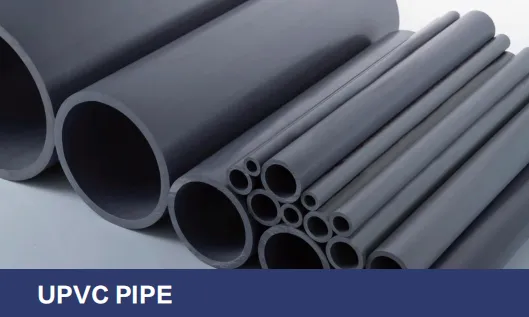
If you've ever stood in the middle of a bustling construction site, surrounded by the hum of machinery and the chatter of workers, you know that every component—no matter how small—plays a role in building something lasting. Among these unsung heroes are the pipes that snake through walls, under floors, and behind ceilings, carrying water, waste, and essential fluids that keep buildings functional. For decades, construction professionals have relied on materials like copper, cast iron, and even galvanized steel for these systems. But in recent years, one material has risen to the top as a versatile, cost-effective, and reliable choice: UPVC. Short for unplasticized polyvinyl chloride, UPVC pipes have become a cornerstone of modern plumbing and drainage systems, and for good reason. In this guide, we'll break down everything construction pros need to know about UPVC pipe solutions—from what they are and how they work to why they're worth considering for your next project.
First things first: Let's clear up any confusion between PVC and UPVC. You've probably heard of PVC (polyvinyl chloride) before—it's a common plastic used in everything from toys to window frames. But standard PVC often contains plasticizers, chemicals added to make the material flexible. UPVC, on the other hand, is "unplasticized," meaning those flexible additives are left out. The result? A rigid, strong material that holds its shape, resists impact, and stands up to the test of time. Think of it as the sturdier cousin of regular PVC—less bendy, but far more durable for structural applications like plumbing.
This lack of plasticizers is what gives UPVC its unique properties. Without them, the material doesn't degrade or become brittle over time, even when exposed to heat, sunlight, or harsh chemicals. It's also lightweight, which might not sound like a big deal until you're hauling pipes up a flight of stairs or maneuvering them in tight spaces. Unlike heavy cast iron or copper, UPVC pipes can be carried by a single worker, cutting down on labor costs and installation time. And because it's a plastic, it won't rust, corrode, or support the growth of bacteria—qualities that make it a favorite in environments where hygiene and longevity are non-negotiable, like hospitals, schools, and residential homes.
To understand why UPVC has become a go-to for construction professionals, let's dive into its standout properties. These aren't just technical specs—they're the reasons why contractors, architects, and project managers keep choosing UPVC pipe solutions over older materials.
Still on the fence about whether UPVC is right for your project? Let's put it side by side with other common piping materials. The table below breaks down how UPVC stacks up against copper, PPR (polypropylene random copolymer), and cast iron—three materials you might be considering.
| Feature | UPVC | Copper | PPR | Cast Iron |
|---|---|---|---|---|
| Cost (Material) | Low | High | Medium | High |
| Installation Labor Cost | Low (easy to cut/join) | High (requires soldering) | Medium (heat fusion needed) | Very High (heavy, needs specialized tools) |
| Weight | Light (10-15 lbs/10ft) | Medium (20-30 lbs/10ft) | Light (similar to UPVC) | Very Heavy (50-80 lbs/10ft) |
| Corrosion Resistance | Excellent (no rust/chemical damage) | Poor (corrodes in acidic water) | Good (resists most chemicals) | Poor (rusts over time) |
| Lifespan | 50+ years | 20-30 years (with corrosion) | 40-50 years | 30-40 years (prone to rust holes) |
| Best For | DWV systems, water supply, industrial, residential | High-end residential water supply | Hot/cold water systems, residential | Historic buildings, heavy-duty drainage (rarely used now) |
As you can see, UPVC shines in almost every category, especially when it comes to cost, durability, and ease of installation. For most modern construction projects—whether residential, commercial, or industrial—UPVC pipe solutions offer the best balance of performance and value.
UPVC pipes aren't a one-trick pony. Their versatility means they're used in a wide range of applications, from the smallest home renovation to the largest commercial high-rise. Let's explore some of the most common ways construction professionals put UPVC to work.
In homes, UPVC pipes handle two critical jobs: water supply and drainage. For water supply lines (carrying clean water to faucets, showers, and appliances), UPVC pressure pipes (often labeled as "SCH40" or "SCH80" based on wall thickness) are the norm. They're strong enough to withstand the pressure of municipal water systems (typically 40-80 psi) and won't leach chemicals into the water, keeping it safe for drinking. For drainage, waste, and vent (DWV) systems—think sinks, showers, toilets, and washing machines—UPVC DWV pipes take center stage. These pipes are designed to handle wastewater and sewage, with larger diameters (3-6 inches) and special vent pipes that equalize pressure, preventing gurgling drains and odors. If you're a residential contractor, partnering with a reliable pvc dwv pipe supplier is key—quality DWV pipes ensure homes stay free of leaks and backups for decades.
Commercial projects—like office buildings, hotels, hospitals, and schools—have even higher demands, and UPVC rises to the challenge. In hospitals, for example, UPVC's smooth interior resists the buildup of bacteria, making it ideal for medical waste systems and sterile water lines. Schools benefit from its durability; with hundreds of students using sinks and toilets daily, UPVC pipes can handle heavy use without cracking or corroding. High-rise buildings also rely on UPVC for vertical drainage—its lightweight design makes it easier to install across multiple floors, and its strength ensures it won't sag or break under the weight of flowing water. Plus, in commercial settings where downtime is costly, UPVC's quick installation and low maintenance mean projects finish on time and stay operational longer.
Industrial facilities—chemical plants, factories, and water treatment plants—need pipes that can withstand aggressive substances, and UPVC delivers. Its chemical resistance makes it perfect for transporting acids, alkalis, and other corrosive fluids. Agricultural applications, like irrigation systems and livestock watering, also favor UPVC. It's UV-resistant (so it won't degrade in sunlight), lightweight enough to install in fields without heavy machinery, and affordable for large-scale projects. Even in coastal areas, where saltwater can eat away at metal pipes, UPVC remains unaffected—making it a top choice for marinas and waterfront developments.
Not every UPVC pipe is the same. Depending on the application, you'll need different types, sizes, and specifications. Let's break down the most common varieties construction professionals encounter.
These pipes are built to handle internal pressure, making them suitable for water supply lines, irrigation, and industrial fluid transport. They're categorized by their wall thickness, with SCH40 (standard pressure) and SCH80 (heavy-duty, higher pressure) being the most common. SCH40 pipes are used for most residential and light commercial water supply, while SCH80 is reserved for high-pressure applications, like industrial lines or areas with extreme temperature fluctuations. When sourcing these, look for a supplier that offers a range of sizes (from ½ inch to 12 inches or more) and certifications—like ASTM D1785, the standard for UPVC pressure pipes.
As mentioned earlier, DWV pipes are all about removing wastewater and sewage. They have larger diameters than pressure pipes (typically 1.5-6 inches) and are designed with a slight slope to help gravity move waste along. Vent pipes, a critical part of DWV systems, are smaller (1.5-2 inches) and allow air to enter the system, preventing vacuum buildup that can slow drainage or cause traps to dry out (leading to sewer odors). A reputable pvc dwv pipe supplier will offer not just pipes but also fittings—elbows, tees, couplings, and vent caps—to ensure a seamless installation.
Some projects require specialized UPVC pipes. For example, in coastal areas, UV-resistant UPVC pipes are used to prevent sun damage. In cold climates, freeze-resistant UPVC (treated to withstand temperatures down to -10°F) is available. There are also UPVC pipes with reinforced walls for underground applications (like buried water mains) and even flexible UPVC pipes for tight bends where rigid pipes won't fit. When working on unique projects, partnering with an upvc pipe supplier that offers these specialty solutions can save time and ensure compliance with local building codes.
Even the best UPVC pipes will fail if installed incorrectly. Follow these tips to ensure a smooth, leak-free installation that stands the test of time.
UPVC pipes are easy to cut, but precision matters. Use a fine-tooth saw (hacksaw or miter saw with a plastic-cutting blade) to make straight, clean cuts. Avoid using a reciprocating saw, which can cause the pipe to crack. After cutting, deburr the edges with a file or sandpaper—rough edges can damage O-rings or prevent a tight seal when joining.
UPVC pipes are joined using solvent cement, a chemical adhesive that melts the plastic surfaces, creating a permanent bond. The key steps here are: clean the pipe and fitting with a primer (to remove dirt and oils), apply a thin layer of cement to both the pipe and fitting, insert the pipe into the fitting with a quarter-turn twist, and hold for 30 seconds to set. Let the joint cure for 24 hours before testing—rushing this step is a common cause of leaks. Pro tip: Always use cement rated for UPVC (not regular PVC cement, which may not bond as strongly) and wear gloves and eye protection—the fumes can be strong.
UPVC pipes need proper support to prevent sagging, which can lead to clogs or joint stress. For horizontal runs, use pipe hangers or straps spaced every 3-4 feet for small pipes (1-2 inches) and 4-6 feet for larger pipes (3-6 inches). Vertical runs should be supported every 10 feet. Avoid over-tightening hangers—they should hold the pipe firmly without crushing it.
After installation, always test the system before covering pipes with walls or floors. For water supply lines, conduct a pressure test: close all valves, attach a pressure gauge, and pump the system to 100 psi (1.5 times the normal operating pressure). Let it sit for 30 minutes—if the pressure drops more than 5 psi, there's a leak. For DWV systems, a water test (filling pipes with water to check for leaks) or air test (pressurizing with 5 psi of air) works best. Catching leaks early saves costly repairs later.
One of the best things about UPVC pipes is how little maintenance they need. But a little care goes a long way in ensuring they last the full 50+ years. Here's what you need to know.
You can't build a reliable plumbing system with subpar pipes. That's why choosing the right upvc pipe supplier is just as important as selecting the material itself. Here are the key factors to consider when vetting suppliers.
The best suppliers stand behind their products with certifications. Look for ISO 9001 (quality management), ASTM (American Society for Testing and Materials), or DIN (German Institute for Standardization) markings—these ensure the pipes meet strict safety and performance standards. Avoid suppliers that can't provide certification documents—this is a red flag for low-quality, untested products.
A top-notch supplier offers more than just pipes—they provide full upvc pipe solutions , including fittings (elbows, tees, couplings), valves, and accessories like pipe hangers and cement. This one-stop shopping saves you time and ensures all components are compatible. If your project also involves other plumbing needs, consider a pipes fittings supplier that carries UPVC and other materials (like PPR or PEX) for added convenience.
Even seasoned pros have questions. A good supplier offers technical support—whether it's helping you select the right pipe size, explaining installation best practices, or troubleshooting issues. Look for suppliers with knowledgeable staff who can answer questions about pressure ratings, certifications, or local building codes. Some even provide on-site training for your team, ensuring everyone is on the same page during installation.
Construction schedules wait for no one. Choose a supplier with a reputation for on-time deliveries and consistent stock. Nothing derails a project faster than waiting for pipes that are backordered or delayed. Check reviews from other contractors—if a supplier has a history of missed deadlines, keep looking.
In the fast-paced world of construction, where new materials and technologies emerge every day, UPVC pipe solutions have proven they're more than just a trend—they're a staple. Their winning combination of durability, cost-effectiveness, and ease of installation makes them a favorite among construction professionals, and as building codes continue to prioritize efficiency and sustainability, UPVC's eco-friendly profile (it's recyclable and requires less energy to produce than metal pipes) will only make it more popular.
Whether you're working on a small home renovation or a large commercial project, understanding the basics of UPVC pipes—from their properties and applications to installation and sourcing—gives you the tools to make informed decisions. And when you partner with a trusted upvc pipe supplier that offers quality products and reliable support, you can rest easy knowing your plumbing system will stand strong for decades to come. After all, in construction, the best projects are built on strong foundations—and sometimes, those foundations are made of UPVC pipes.
Recommend Products












