
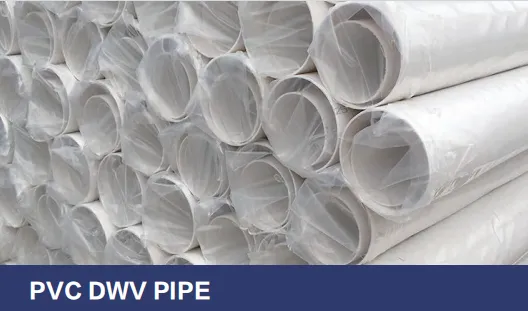
In the world of construction, some components work quietly behind the scenes, yet their impact on a building's functionality and comfort is immeasurable. The Drain-Waste-Vent (DWV) system is one such unsung hero. Responsible for carrying wastewater away, managing solid waste, and ensuring proper ventilation to prevent odors and pressure imbalances, a well-designed DWV system is the backbone of any residential or commercial space. For builders, choosing the right materials for this system is not just a matter of compliance—it's a decision that affects project timelines, costs, and long-term durability. Among the array of options available, Polyvinyl Chloride (PVC) DWV pipes have emerged as a top choice, praised for their versatility, affordability, and reliability. This article dives into the essentials of PVC DWV pipe solutions, guiding builders through their benefits, applications, installation best practices, and how to partner with the right suppliers to ensure project success.
Before delving into PVC DWV pipes, it's critical to grasp the role of the DWV system itself. Composed of three core elements—drain, waste, and vent—this system works in harmony to keep a building's plumbing functioning smoothly. The drain component carries liquid wastewater from sinks, showers, and appliances to the main sewer line. The waste segment handles solid waste, ensuring it moves efficiently without clogging. The vent system, often overlooked but equally vital, prevents water traps under sinks and tubs from siphoning dry (which would allow sewer gases to enter the building) and releases those gases safely into the atmosphere. Together, these elements prevent backups, reduce odors, and protect the health of occupants.
A faulty DWV system can lead to a cascade of problems: slow-draining sinks, gurgling toilets, persistent odors, and even structural damage from water leaks. For builders, this underscores the importance of selecting materials that can withstand the demands of daily use. In the past, materials like cast iron, galvanized steel, and even clay were common for DWV systems. However, each came with drawbacks—cast iron was heavy and prone to rust, galvanized steel corroded over time, and clay was brittle and difficult to install. Enter PVC, a material that addresses these pain points while offering new advantages tailored to modern construction needs.
PVC's rise to prominence in DWV systems is no accident. Its unique properties make it ideal for handling the challenges of wastewater management. Let's break down the key benefits that make PVC a go-to material for builders:
Corrosion and Chemical Resistance: Unlike metal pipes, PVC is impervious to rust and corrosion. Wastewater often contains chemicals from cleaning products, soaps, and even mild acids—substances that would eat away at galvanized steel or cast iron over time. PVC's resistance to these chemicals ensures a longer lifespan, reducing the need for costly replacements.
Lightweight Design: Traditional materials like cast iron can weigh 50-100 pounds per linear foot, requiring heavy machinery or multiple workers to transport and install. PVC, by contrast, weighs just 2-5 pounds per linear foot, making it easy to handle on job sites. This lightweight nature cuts down on labor costs and speeds up installation, a critical advantage for builders working within tight deadlines.
Smooth Interior for Reduced Clogs: PVC pipes feature a smooth inner surface that minimizes friction, allowing wastewater and solids to flow freely. This reduces the risk of clogs—a common issue with older materials like clay, which have rough interiors that catch debris. For builders, fewer clogs mean fewer callback requests and happier clients.
Cost-Effectiveness: PVC DWV pipes are significantly more affordable than cast iron or copper, both in terms of material costs and installation. A typical 10-foot section of 4-inch PVC DWV pipe costs a fraction of what a similar cast iron section would, and the reduced labor needs further lower project expenses. For large-scale projects, these savings can add up quickly.
Easy Installation with Solvent Welding: PVC pipes and fittings are joined using solvent cement, a process that creates a strong, leak-proof bond in minutes. Unlike metal pipes, which require threading or welding, solvent welding is simple to master, even for less experienced crews. This ease of installation reduces the risk of human error and ensures consistent, reliable joints.
Not all PVC DWV pipes are created equal. To meet the diverse needs of residential and commercial projects, manufacturers offer a range of sizes, schedules, and fittings. Understanding these options is key to selecting the right solution for a project.
Pipe Sizes: PVC DWV pipes are available in diameters ranging from 1.5 inches (for small drains like bathroom sinks) to 12 inches or more (for main sewer lines in commercial buildings). Residential projects typically use 1.5-4 inch pipes, while commercial spaces like hotels, hospitals, or shopping malls may require 6-10 inch pipes to handle higher volumes of wastewater.
Schedules and Thickness: PVC DWV pipes are classified by "schedule," which refers to wall thickness. Schedule 40 is the most common for DWV applications, offering a balance of strength and cost-effectiveness. For projects with higher pressure or heavier loads (e.g., commercial buildings with multiple stories), Schedule 80 may be used, though it is less common for DWV since the system operates under gravity, not pressure.
Fittings: The Glue That Holds It All Together: No DWV system is complete without fittings, which connect pipes, change direction, and branch off to different fixtures. Common fittings include elbows (for 90° or 45° turns), tees (for branching lines), couplings (for joining straight sections), and traps (to prevent sewer gases from entering the building). A reliable pipes fittings supplier will offer a full range of PVC DWV fittings, ensuring compatibility with pipes and adherence to local building codes.
When sourcing these components, builders should partner with a reputable PVC DWV pipe supplier . The best suppliers don't just sell products—they offer PVC DWV pipe solutions tailored to the project. This includes technical support to help select the right sizes and fittings, as well as guidance on code compliance. For example, a residential building materials supplier might recommend 2-inch pipes for a single-family home's kitchen drain, while a commercial building materials supplier would suggest 4-inch pipes for a restaurant's grease trap line.
Even the highest-quality PVC DWV pipes will fail if installed incorrectly. For builders, mastering proper installation techniques is essential to avoid callbacks, warranty claims, and safety hazards. Here are key best practices to follow:
Maintain Proper Slope: DWV systems rely on gravity to move wastewater, so pipes must be installed with a consistent slope. The general rule is 1/4 inch of slope per foot for horizontal drains (e.g., a 10-foot pipe should slope 2.5 inches downward). Too little slope causes wastewater to stagnate, leading to clogs; too much slope can leave solids behind, also causing blockages. Builders should use a level to ensure accuracy during installation.
Avoid Sharp Bends and Restrictions: While PVC is flexible, sharp 90° elbows should be used sparingly, especially in horizontal runs. Instead, opt for 45° elbows or long-radius bends to maintain smooth flow. Additionally, avoid crushing or compressing pipes during installation—even minor dents can restrict flow and lead to clogs.
Secure Pipes with Proper Supports: PVC pipes expand and contract slightly with temperature changes, so they need sturdy supports to prevent sagging. Supports should be placed every 3-4 feet for horizontal runs and every 6-8 feet for vertical runs. Using plastic or metal hangers (avoiding galvanized steel, which can react with PVC) ensures pipes stay in place over time.
Master Solvent Welding: Proper solvent welding is critical for leak-proof joints. The process involves cleaning the pipe and fitting with a primer to remove dirt and oils, then applying solvent cement to both surfaces. After joining the pieces, hold them firmly for 30 seconds to allow the cement to set, and let the joint cure for 24 hours before testing. Rushing this step is a common mistake—even a small gap can lead to leaks.
Test Before Closing Walls: Always test the DWV system with water or air pressure before enclosing pipes in walls or floors. A water test involves filling the system with water and checking for leaks; an air test uses compressed air to pressurize the system (typically 5-10 psi) and monitors for pressure drops. Catching leaks early saves time and money compared to repairing them after construction is complete.
Even with careful installation, DWV systems can encounter issues. Builders should be prepared to identify and resolve these problems to ensure client satisfaction. Here are the most common challenges and how to address them:
Clogs: While PVC's smooth interior reduces clogs, they can still occur due to improper waste disposal (e.g., flushing wipes or pouring grease down drains). For minor clogs, a plunger or hand auger (snake) usually works. For stubborn blockages, a motorized auger or hydro-jetting (using high-pressure water) may be needed. Educating clients on proper waste disposal can prevent future issues.
Leaks at Joints: Leaks often stem from incomplete solvent welding—either insufficient primer, too little cement, or moving the pipe before the joint sets. To fix, cut out the leaking section, clean the remaining pipes, and rejoin with new fittings and fresh cement. If the leak is small, some plumbers use epoxy putty as a temporary fix, but replacing the joint is the long-term solution.
Vent Blockages: Vents can become blocked by debris, bird nests, or even ice in cold climates. A blocked vent causes slow drainage and sewer odors. To clear, use a plumber's snake or a garden hose with a high-pressure nozzle. For roof vents, ensure the vent cap is intact to prevent debris from entering.
Noise: While PVC is quieter than cast iron, loose supports or high-speed water flow can cause rattling or vibrations. Adding extra supports or wrapping pipes in foam insulation can reduce noise, a key consideration for residential projects where peace and quiet are priorities.
To fully appreciate PVC's advantages, it helps to compare it with other common DWV materials. The table below breaks down how PVC stacks up against cast iron, ABS (Acrylonitrile Butadiene Styrene), and copper:
| Material | Weight (per linear foot) | Corrosion Resistance | Cost (per linear foot) | Installation Ease | Noise Level | Lifespan (years) |
|---|---|---|---|---|---|---|
| PVC DWV | 2-5 lbs | Excellent (no rust/chemical damage) | $1-$5 | Easy (solvent welding, lightweight) | Low (smooth flow reduces noise) | 40-50+ |
| Cast Iron | 50-100 lbs | Poor (prone to rust) | $10-$20 | Difficult (heavy, requires threading/welding) | High (metal-on-metal vibration) | 25-30 |
| ABS | 3-6 lbs | Good (resistant to chemicals, but not UV stable) | $2-$6 | Easy (similar to PVC, but less common in some regions) | Low to Moderate | 30-40 |
| Copper | 10-15 lbs | Good (but susceptible to acidic water) | $15-$30 | Difficult (requires soldering) | Moderate | 50-70 |
As the table shows, PVC outperforms other materials in cost, weight, and installation ease, while offering a lifespan comparable to copper. For most builders, these factors make PVC the clear choice for DWV systems.
While PVC DWV pipes are versatile enough for both residential and commercial projects, the two settings have distinct needs. A residential building materials supplier and a commercial building materials supplier will often stock different products to meet these demands.
Residential Projects: Single-family homes, townhouses, and small apartments typically have simpler DWV systems with smaller pipe diameters (1.5-4 inches). The focus here is on cost-effectiveness, quiet operation, and ease of installation. A residential building materials supplier may offer pre-packaged DWV kits with common sizes and fittings, ideal for quick, straightforward installs. For example, a 3-bedroom home might use 2-inch pipes for bathroom drains, 3-inch pipes for the main stack, and 4-inch pipes for the sewer line connection.
Commercial Projects: Commercial buildings—such as hotels, hospitals, schools, and shopping centers—require larger, more complex DWV systems to handle higher volumes of wastewater. For instance, a hotel with 100 rooms will need 6-8 inch main pipes and multiple vent stacks to serve all bathrooms and kitchens. Commercial systems also face stricter code requirements, such as higher fire resistance or soundproofing. A commercial building materials supplier will stock larger diameter pipes, heavy-duty fittings, and specialty components like grease traps and floor drains, along with technical support to navigate complex layouts.
In both cases, partnering with a full-service building material supplier is key. These suppliers understand the nuances of residential and commercial projects and can recommend the right PVC DWV solutions, from pipe sizes to fittings, ensuring compliance and optimal performance.
In an era where sustainability is a growing concern, builders may wonder about PVC's environmental impact. The good news is that PVC DWV pipes offer several eco-friendly benefits:
Long Lifespan Reduces Waste: PVC's 40-50+ year lifespan means fewer replacements, reducing the amount of waste sent to landfills. In contrast, cast iron pipes may need replacement every 25-30 years, increasing material consumption and disposal.
Energy-Efficient Production: Manufacturing PVC requires less energy than producing metal pipes, lowering its carbon footprint. Additionally, PVC's lightweight design reduces transportation emissions, as more pipes can be shipped in a single load.
Recyclability: While PVC is not as widely recycled as some materials, many manufacturers now offer recycling programs for scrap PVC. Builders can work with their PVC DWV pipe supplier to ensure leftover pipes and fittings are recycled, minimizing waste.
It's also important to address common myths about PVC and health. Modern PVC pipes are safe for potable water and wastewater systems, as they do not leach harmful chemicals when installed correctly. The solvent cement used to join PVC pipes is non-toxic once cured, and the system is designed to vent sewer gases away from living spaces, ensuring indoor air quality.
The quality of PVC DWV pipes and fittings can vary significantly between suppliers, making it crucial to select a partner that prioritizes reliability and service. Here are key factors to consider when choosing a PVC DWV pipe supplier :
Certifications and Compliance: Ensure the supplier's products meet industry standards, such as ASTM D2665 (for PVC DWV pipes) and ASTM D3311 (for fittings). Compliance with local building codes is also essential—suppliers should be familiar with regional regulations, especially in areas prone to earthquakes or extreme weather.
Product Range: A good supplier will offer a wide selection of pipe sizes, schedules, and fittings to meet diverse project needs. This includes specialty items like vent caps, cleanouts, and reducing tees, which can save builders time by eliminating the need to source from multiple vendors.
Technical Support: The best suppliers go beyond selling products—they provide technical expertise. Look for suppliers with in-house engineers or customer service teams who can answer questions about installation, code compliance, and troubleshooting. Many pipes fittings supplier s also offer on-site training for crews, ensuring proper installation techniques.
Reliable Delivery: Construction schedules wait for no one, so timely delivery is critical. Choose a supplier with a strong logistics network and a track record of meeting deadlines. Some suppliers even offer same-day or next-day delivery for urgent orders, a lifesaver for last-minute project changes.
Reputation and Reviews: Research the supplier's reputation online and ask for references from other builders. A supplier with positive reviews for product quality and customer service is more likely to deliver a smooth experience.
For builders, the DWV system is a foundational element that demands careful consideration. PVC DWV pipes stand out as a superior choice, offering a winning combination of durability, affordability, and ease of installation. From residential homes to commercial complexes, PVC's corrosion resistance, lightweight design, and smooth flow make it the material of choice for modern construction.
By partnering with a reputable PVC DWV pipe supplier and following best practices for installation and maintenance, builders can ensure their projects have reliable, long-lasting DWV systems that meet code requirements and exceed client expectations. Whether you're a seasoned contractor or new to the industry, understanding the basics of PVC DWV pipe solutions is an investment in the success of your projects—and the satisfaction of those who will call those buildings home or work.
Recommend Products












