
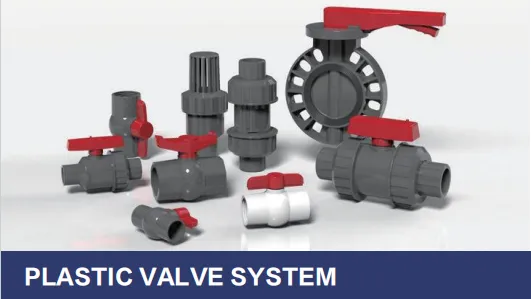
Picture this: You're six months into a commercial building project. The deadline is tight, the budget is tighter, and suddenly, a plumbing issue grinds progress to a halt. A valve failure in the main water line has caused a leak, damaging drywall and delaying electrical work. Sound familiar? For project managers, these "small" components—like plastic valve systems—are often the unsung heroes (or villains) of construction and renovation projects. They control the flow of liquids and gases, regulate pressure, and prevent backflow, yet their importance is easy to overlook until something goes wrong. In this guide, we're diving deep into plastic valve system solutions: what they are, how to choose them, and why partnering with the right plastic valve system supplier can make or break your project's success.
At their core, plastic valve systems are mechanical devices designed to control, direct, or regulate the flow of fluids (liquids, gases, or slurries) through pipes. Unlike metal valves, which have long been industry standards, plastic valves are made from polymers like PVC (polyvinyl chloride), UPVC (unplasticized PVC), PPR (polypropylene random copolymer), and CPVC (chlorinated PVC). They're lightweight, corrosion-resistant, and often more cost-effective than their metal counterparts—qualities that have made them increasingly popular in residential, commercial, and even some industrial applications.
But here's the thing: Not all plastic valve systems are created equal. A valve that works perfectly for a residential bathroom might fail miserably in a hospital's plumbing system, where chemical resistance and strict fire safety codes are non-negotiable. That's why understanding the basics—materials, types, and applications—is critical for project managers. After all, choosing the wrong valve isn't just a minor oversight; it's a recipe for delays, callbacks, and budget overruns.
The first step in selecting a plastic valve system is understanding the materials they're made from. Each polymer has unique properties that make it suitable for specific tasks. Let's break down the most common ones:
Each material has its niche, and mixing materials—say, using a PVC valve with a CPVC pipe—can lead to compatibility issues. That's why consulting with both your plastic valve system supplier and pipes fittings supplier early in the planning phase is so important. They can help you map out a system where every component works in harmony.
Once you've nailed down the material, the next step is selecting the right type of valve. Valves come in dozens of designs, each tailored to specific functions. Here's a breakdown of the most common types project managers will encounter, along with when (and why) to use them:
| Valve Type | Best For | Common Materials | Max Pressure Rating | Temperature Range | Pros | Cons |
|---|---|---|---|---|---|---|
| Ball Valve | On/off control, tight shut-off (water, gas, chemicals) | PVC, UPVC, CPVC, PPR | 150-300 psi (varies by size/material) | 32-180°F (PVC); up to 200°F (CPVC) | Fast operation, low maintenance, leak-proof seal | Not ideal for throttling (partial flow control) |
| Gate Valve | Full flow applications (main water lines, irrigation) | PVC, UPVC | 100-200 psi | 32-140°F (PVC); up to 180°F (UPVC) | Minimal pressure drop, durable for infrequent use | Slow to open/close; can trap debris in the gate |
| Check Valve | Preventing backflow (sump pumps, wastewater systems) | PVC, CPVC, PPR | 100-250 psi | 32-200°F (CPVC); up to 180°F (PPR) | Automatic operation, low maintenance | Can fail if debris clogs the valve seat |
| Butterfly Valve | Large-diameter systems (HVAC, wastewater treatment) | PVC, UPVC | 150 psi (standard); up to 300 psi (high-performance) | 32-140°F | Compact design, easy to install, good for throttling | Not as tight a shut-off as ball valves |
| Globe Valve | Precise flow control (regulating water pressure in commercial buildings) | CPVC, PPR | 150-300 psi | 32-200°F (CPVC); up to 212°F (PPR) | Excellent throttling capability, reliable performance | Higher pressure drop than ball valves; bulkier design |
As you can see, there's no "one-size-fits-all" valve. A ball valve might be perfect for a restaurant's kitchen, where quick shut-off during maintenance is critical, but a check valve is non-negotiable in a high-rise's plumbing system to prevent backflow from lower floors. The key is to match the valve type to your project's specific needs—and when in doubt, your plastic valve system supplier should be able to guide you.
Choosing a plastic valve system isn't just about picking a type and material. Project managers need to weigh a handful of critical factors to ensure the valves perform as expected over the long haul. Let's walk through the top considerations:
A valve for a single-family home will have different requirements than one for a hospital or factory. Residential projects often prioritize cost and ease of installation—PVC ball valves are a common choice here. Commercial projects, like office buildings or hotels, may need higher-pressure ratings and durability, making UPVC or CPVC valves better options. Industrial settings, such as chemical plants, might require specialty valves made from corrosion-resistant materials like PTFE (Teflon), though these are less common in standard plastic valve lines.
Not all fluids are created equal. Water is relatively benign, but chemicals, oils, or wastewater can eat away at certain plastics. For example, PVC valves hold up well to water and mild acids but can degrade when exposed to strong solvents. If your project involves transporting chemicals, your plastic valve system supplier should provide compatibility charts to ensure the material can handle the fluid's pH and composition. Even temperature matters—hot water systems need CPVC or PPR valves, while cold water can use standard PVC.
Outdoor valves face UV radiation, which can cause PVC to become brittle over time. In this case, UPVC (which has better UV resistance) or a valve with a protective coating is a smarter choice. Similarly, valves in cold climates need to withstand freezing temperatures without cracking. Pressure is another big one: A valve rated for 100 psi won't hold up in a system with 150 psi operating pressure. Always check the valve's pressure rating (often listed as PSI or bar) and ensure it exceeds the system's maximum expected pressure by at least 20% to account for surges.
No project manager wants to fail an inspection because of non-compliant valves. Local building codes often dictate specific standards for plumbing components, including valves. For example, some regions require lead-free valves for potable water systems, while healthcare facilities may need valves that meet NSF/ANSI 61 (drinking water safety) or ASTM D2846 (CPVC pipe standards). Your plastic valve system supplier should be able to provide certification documents proving compliance—don't hesitate to ask for them upfront.
Even the best valve system will fail if installed incorrectly. Project managers should work closely with their installation teams to ensure these best practices are followed:
Pro tip: Hold a quick training session with your crew before installation. Even experienced plumbers can make mistakes with plastic valves, which are more fragile than metal ones. A 15-minute review of best practices can save hours of rework later.
Plastic valves are low-maintenance, but they're not "install and forget" components. Regular upkeep can extend their lifespan and prevent unexpected failures. Here's what project managers should include in their maintenance plans:
Here's a truth many project managers learn the hard way: The cheapest plastic valve system supplier isn't always the best choice. A reliable supplier does more than deliver products—they act as a partner, offering expertise, technical support, and flexibility that can save you time and money. So, what should you look for when choosing a plastic valve system supplier?
Many project managers also value suppliers who offer training or on-site support. For example, if your crew is installing a new type of PEX pipe and fitting system, a supplier who sends a technician to demonstrate proper valve installation can prevent costly mistakes.
Let's put this all into context with a real-world example. A few years back, a project manager was overseeing the renovation of a 10-story office building in Riyadh, Saudi Arabia. The project included updating the entire plumbing system, and the team opted for plastic valve systems to cut costs and reduce installation time. Initially, they chose a budget-friendly PVC valve supplier, but within weeks, issues arose: Valves in the hot water lines began warping, and a check valve failure caused a flood in the basement.
After assessing the problem, the project manager switched to a reputable plastic valve system supplier specializing in commercial applications. The new supplier recommended CPVC valves for hot water lines (to handle higher temperatures) and UPVC check valves with reinforced seats to prevent backflow. They also provided compatibility charts to ensure the valves worked with the existing upvc pipe system. The result? The renovation was completed on time, and there have been zero valve-related issues in the three years since.
The takeaway? Investing in quality valves and a knowledgeable supplier isn't an extra expense—it's an insurance policy against delays and repairs.
Plastic valve systems might not be the most glamorous part of your project, but they're undeniably critical. As a project manager, taking the time to understand materials, types, and selection factors can save you from costly mistakes down the line. Remember: The goal isn't just to install valves—it's to install valves that work reliably for decades, keeping your project on track and your clients happy.
And when it comes to choosing a supplier, prioritize expertise, quality, and reliability over the lowest price. A trusted plastic valve system supplier will be there to answer questions, troubleshoot issues, and ensure you have the right products for the job. After all, in construction, the best projects are built on strong foundations—and that includes the humble plastic valve.
Recommend Products












