


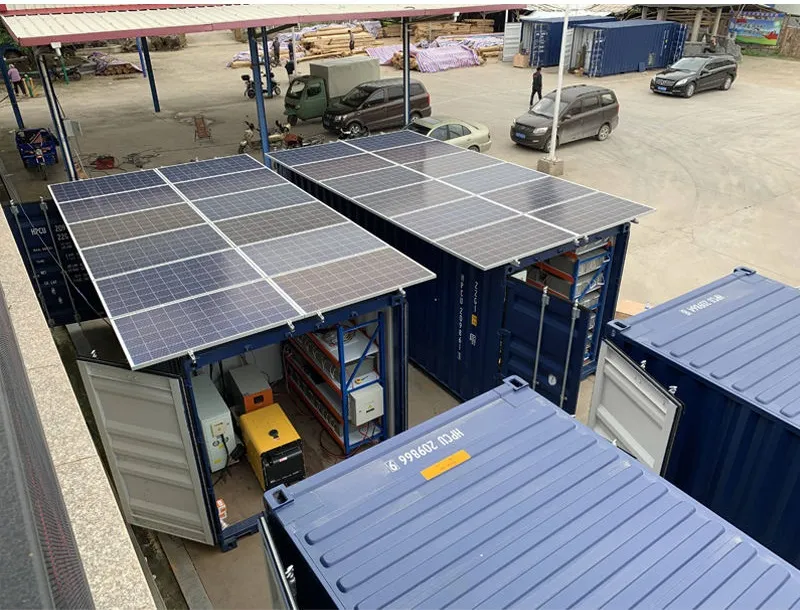
Hey there! If you're considering solar panels or already have them on your roof, you've probably wondered why your energy production doesn't always match those shiny brochure numbers. Well, just like that friend who promises to help you move but shows up three hours late with an empty truck, real-world solar performance often falls short of laboratory conditions.
Through studying installations from residential rooftops to expansive solar farms, and exploring systems like distributed solar power systems (a key term we'll revisit), I've identified five core factors that determine whether your panels are energy powerhouses or overpriced roof decorations. Let's break them down in plain English!
1. Sunlight's Fickle Behavior
It sounds obvious, but not all sunlight is created equal. Those peak numbers you see on spec sheets? They're measured under ideal "full sun" conditions. Reality? Our local weather and seasonal shifts dramatically affect this.
- Partial cloud cover can slash output by 10-25% instantly
- Winter months mean shorter days AND weaker sun angles
- Morning fog that turns your panels into useless glass rectangles
- Weather-aware systems: Modern controllers adjust expectations based on real-time weather data
- Tilt optimization: Seasonal angle adjustments capture more low-winter sun
- Micro-inverters: Minimize cloud impact by treating each panel independently
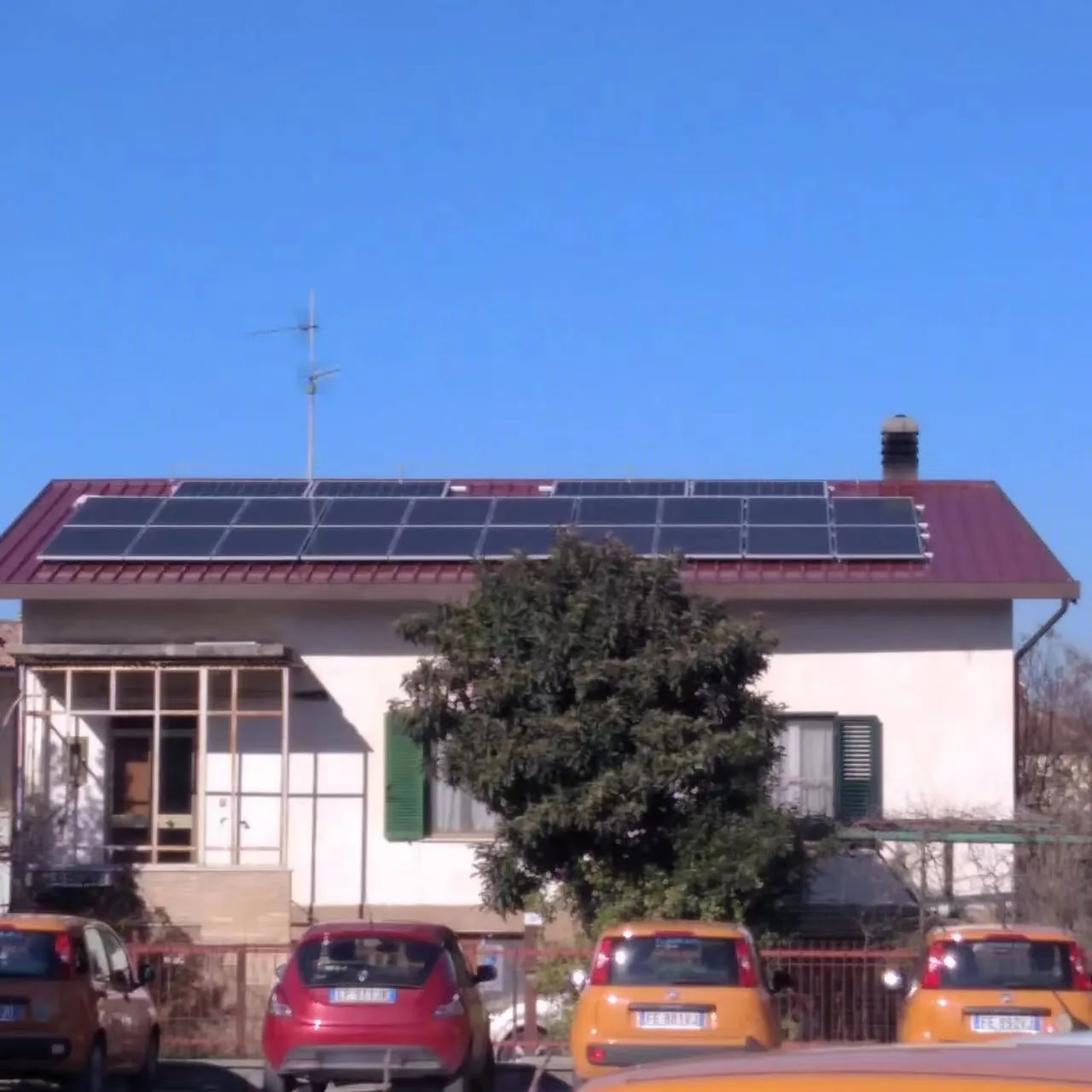
2. Temperature's Counterintuitive Effect
Here's a solar paradox: while sunlight fuels panels, HEAT actually hurts their efficiency. It's why desert installations underperform expectations despite endless sunshine.
- Panel efficiency drops 0.3-0.5% per degree over 77°F (25°C)
- Dark panels absorb heat like asphalt - surface temps can hit 150°F+
- High heat accelerates long-term degradation too
- Air gap magic: Minimum 4-inch roof clearance creates natural cooling
- Light-colored roofs: Reduce ambient heat around installations
- Bifacial panels: Capture light from both sides while running cooler
- Active cooling: Some industrial systems use water circulation pipes
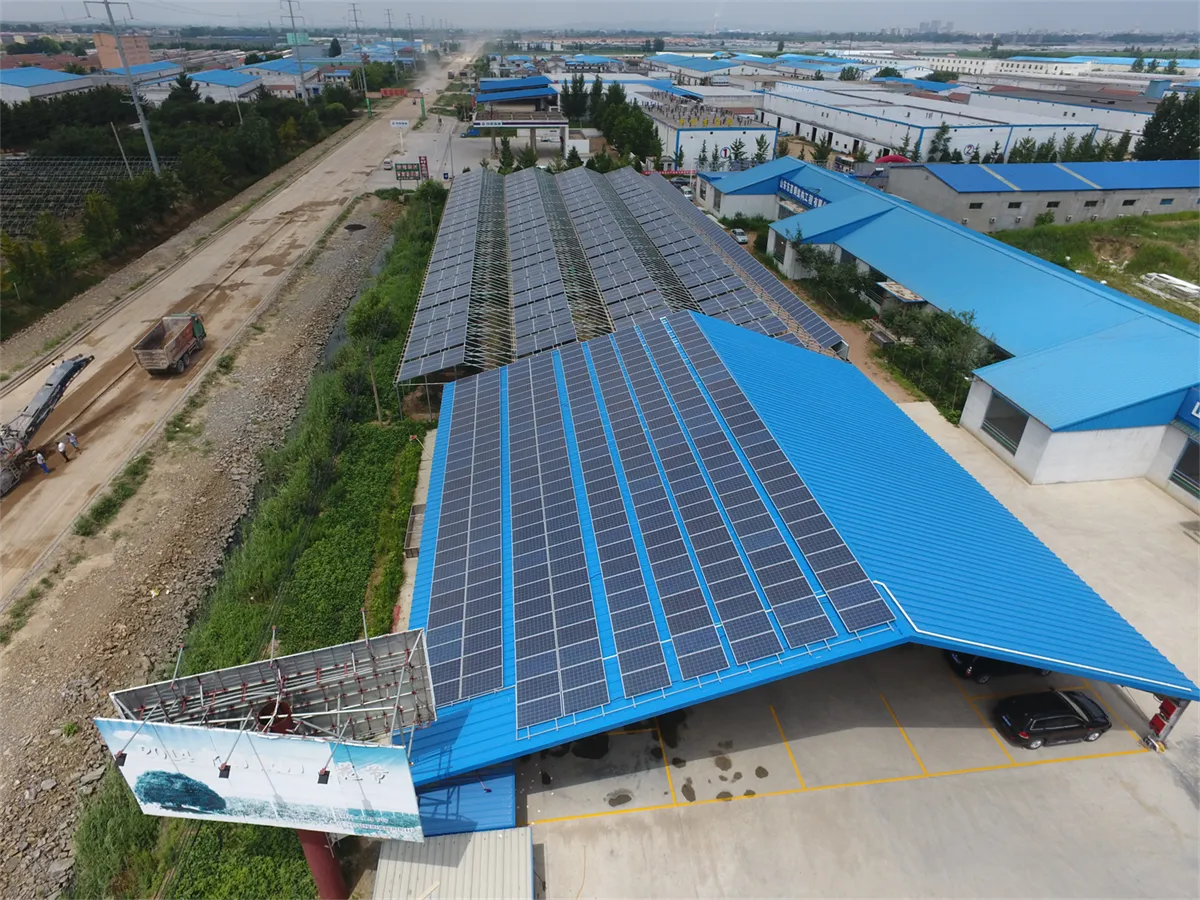
3. The Silent Killer: Dirt & Debris
You wouldn't drive with mud-caked headlights, yet dirty panels lose more power than most owners realize. It's the slow creep of efficiency loss.
- Light dust: 5-10% production drop
- Pollen season: Up to 20% loss in bad areas
- Bird droppings: Can completely disable panel sections
- Snow cover: Obviously 100% reduction while covered
- Rain is NOT enough: Requires mechanical cleaning
- Tilt self-cleaning:
- Professional cleaning: Worth it every 6-12 months
- Anti-soiling coatings: New tech repels dust and water
- Monitoring systems: Alert you to unusual drops
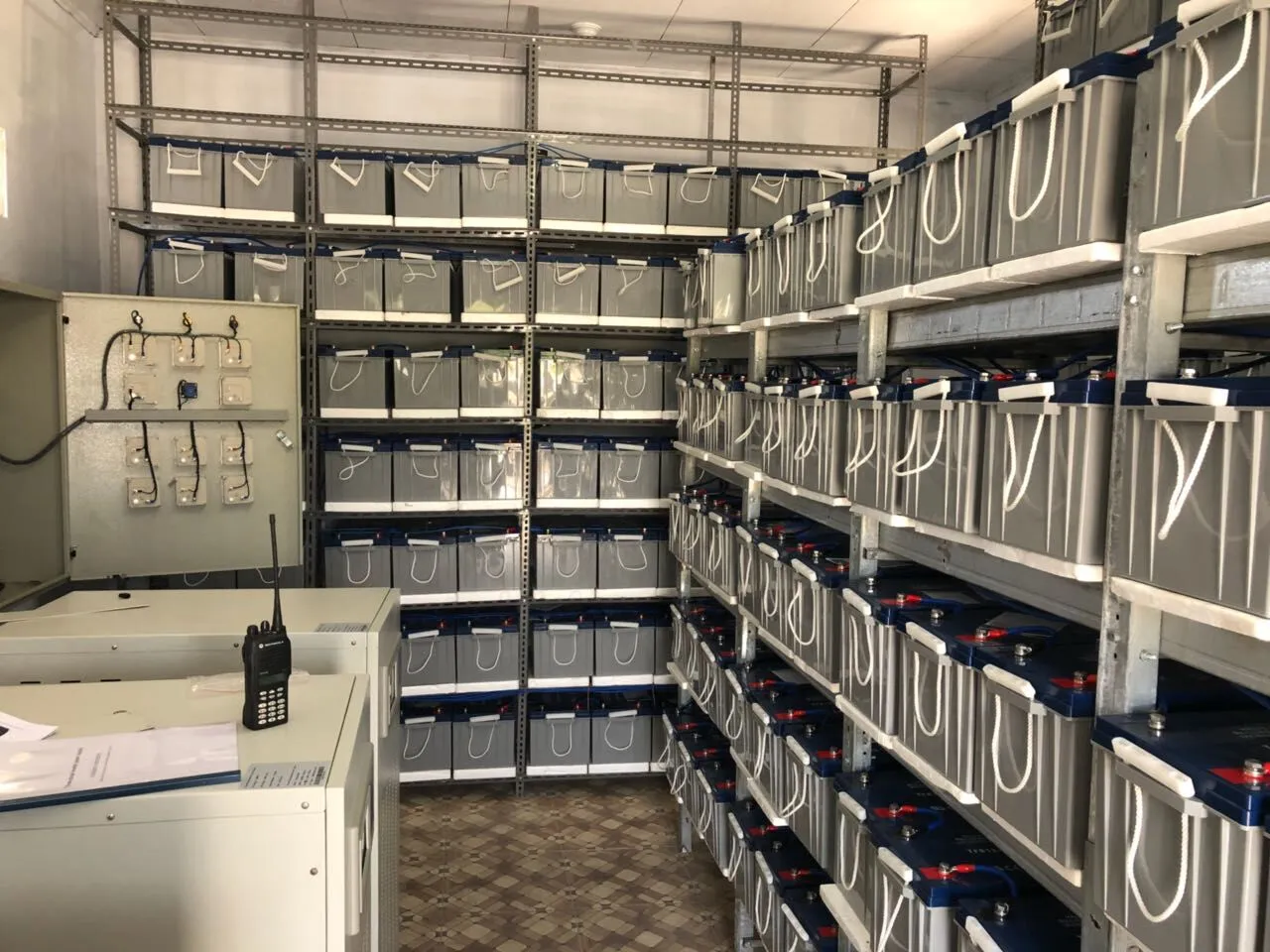
4. Aging: The Inevitable Decline
Solar panels don't last forever. While manufacturers tout 25-year lifespans, efficiency fades like your favorite t-shirt.
- Top-tier panels lose about 0.5% efficiency annually
- Cheaper panels can degrade at 1% or more per year
- Hot climates accelerate this degradation
- Micro-cracks from hail/impact worsen over time
- Initial quality matters: Pay for better degradation warranties
- Regular inspections: Thermal imaging spots failing panels
- Gentle cleaning: Avoid abrasive scrubbing that wears coatings
- Realistic expectations: Year 10 will produce less than Year 1
5. System Design: Where Magic Happens
A panel is only as good as what's connected to it. Your whole distributed solar power system (including inverters, wiring, batteries) dictates what actually reaches your outlets.
- Mismatched panels cause "weakest link" power drops
- Poor wiring creates resistance that wastes power
- Shading on one panel affects whole strings
- Battery storage inefficiencies (10-15% round-trip loss)
- Professional design: Worth every penny for system optimization
- Micro-inverters/optimizers: Fix panel mismatch and partial shading
- Appropriate cable gauges: Minimize transmission losses
- Voltage optimization: Higher voltages lose less power to resistance
Putting this all together - actual solar efficiency isn't just about panel specs. It's about sun availability, temperature management, cleanliness, aging, and overall system design. In the rapidly evolving world of solar technology, understanding these five factors helps you maximize your green energy investment.
Whether considering a commercial and industrial solar energy installation or a simple rooftop setup for your home, focusing on these practical realities rather than just theoretical numbers will make your solar journey brighter.










