
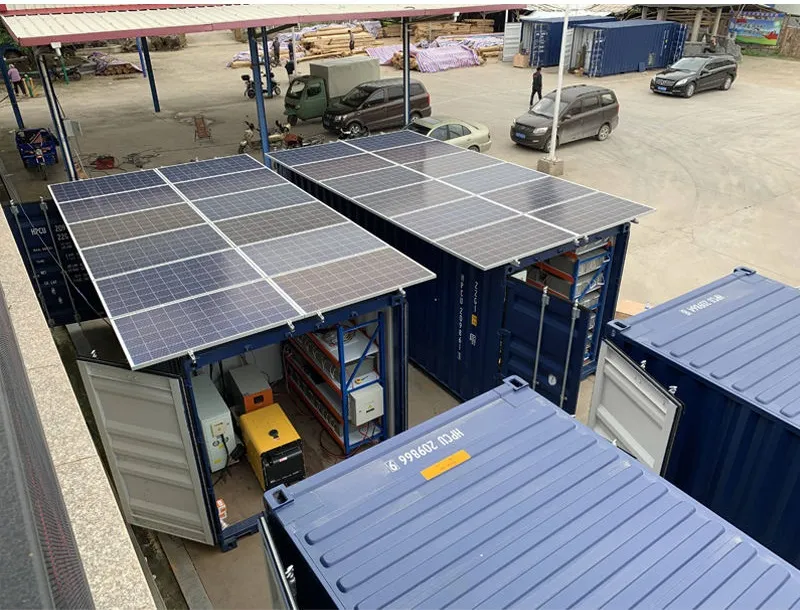
So you're thinking about joining the solar revolution? That's fantastic! Going solar has moved from being a niche environmental choice to a seriously savvy financial decision for homeowners. With energy prices more unpredictable than spring weather and technology advancing faster than ever, there's never been a better time to harness the sun's power.
But here's the thing: choosing solar panels isn't like picking out a new phone case. This is a 20+ year commitment that impacts your home's energy bill, property value, and carbon footprint. With over 50 manufacturers flooding the market and specs that read like rocket science, it's easy to feel overwhelmed.
That's why we've done the legwork for you. We've analyzed specs, reviewed warranties, and compared real-world performance to bring you this guide to the 120 best solar panels for home use in 2025. Whether you're a tech geek who wants the cutting edge or a practical homeowner looking for reliable bang for your buck, you'll find your match here.
Before we dive into our top picks, let's talk brass tacks about what separates great panels from mediocre ones. Forget the marketing fluff – these are the metrics that'll truly impact your solar experience:
Simply put: higher efficiency = more power from the same roof space. In 2025, elite panels convert over 23% of sunlight into electricity, while budget options hover around 17-19%. If you've got limited roof space, efficiency becomes your best friend.
2025 Benchmark: Top performers: 23.5%, Solid options: 21-22%, Budget-friendly: 19-20%
Solar panels face decades of UV radiation, hail, wind, and extreme temperatures. Quality panels maintain at least 90% performance after 25 years thanks to features like:
Did you know panels lose efficiency as temperatures rise? The temperature coefficient tells you how much. Look for values closer to -0.26%/°C versus average -0.35%/°C.
The best warranties are like premium insurance:
Product warranty:
12-25 years against defects
Performance warranty:
25-40 years guaranteeing output
Pro tip: Manufacturers offering performance guarantees above 87% after 30 years truly stand behind their products.
Living in Arizona or Minnesota? Climate-specific engineering matters. Panels specifically engineered to shed snow faster or resist humidity-induced corrosion deliver better long-term results.
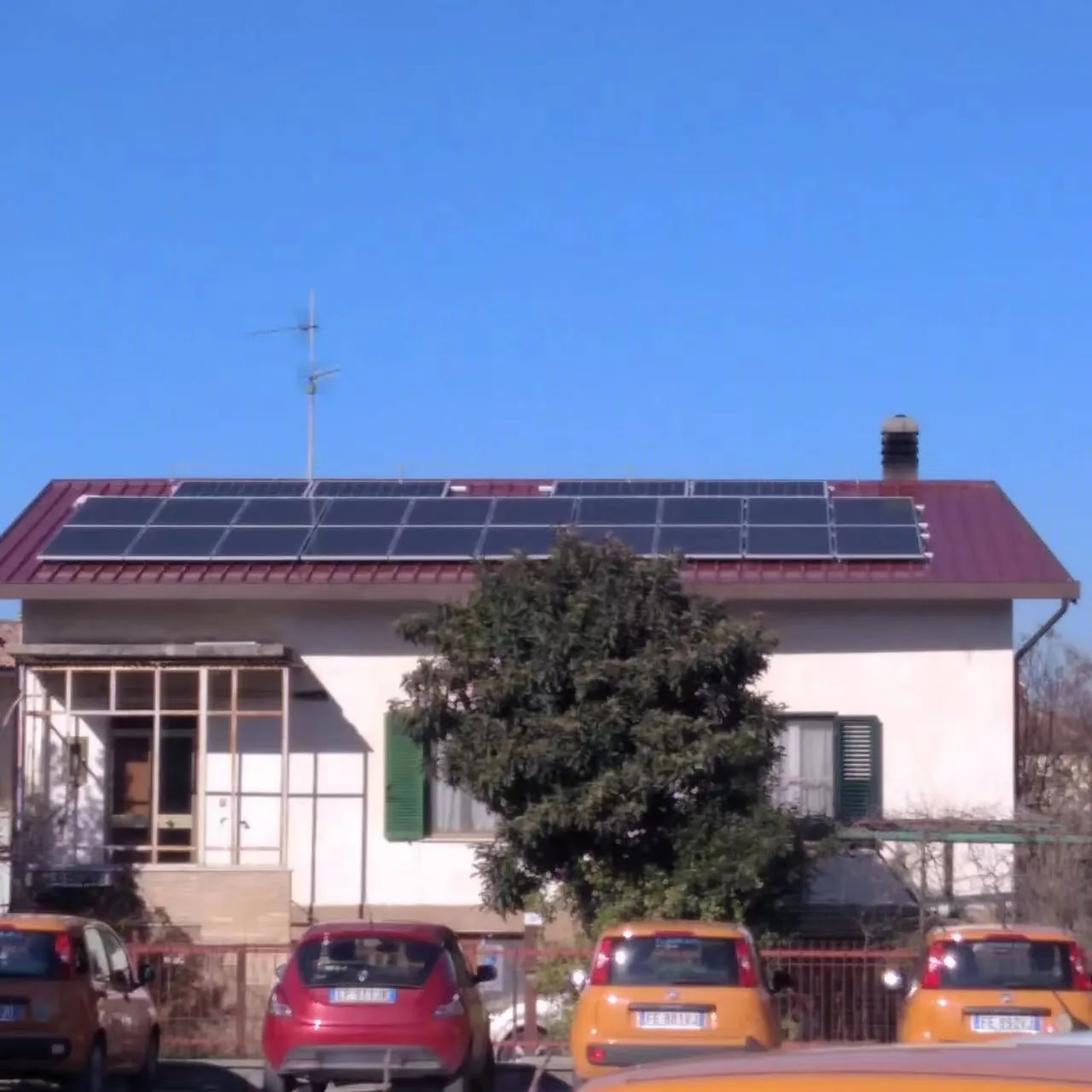
Based on thousands of data points and real-world performance, these manufacturers represent the best balance of innovation, reliability, and value.
Efficiency: 23.8% | Warranty: 40 years | Best For: Premium performance seekers
SunPower continues to dominate the premium space with their latest shingled-cell design. The real magic happens in how they've eliminated front grid lines entirely, exposing 5% more surface to sunlight.
What homeowners love: "Our Arizona roof sees 115°F summers, but these panels keep producing when others falter thanks to that -0.27%/°C coefficient."
The catch: You'll pay 15-20% more upfront than premium alternatives.
Efficiency: 22.6% | Warranty: 25 years | Best For: Cold climate reliability
Panasonic engineers for extremes. Their heterojunction cells perform exceptionally in low-light conditions and below-freezing temperatures - perfect for Minnesota winters where competitors lose up to 15% efficiency.
Bonus feature: Their innovative conductive backsheet actually improves heat dissipation by 8% in summer.
Efficiency: 21.3% | Warranty: 25 years | Best For: Value-focused quality
This China solar panel manufacturer has become a global powerhouse by delivering exceptional value without compromising quality. Their latest triple-cell design squeezes extra power from morning/evening low-angle sunlight.
Smart tech: Built-in diodes minimize efficiency loss when sections of panels are shaded.
Efficiency: 22.9% | Warranty: 25 years | Best For: High-efficiency with aesthetics
The world's largest manufacturer continues to impress with their HPBC cell technology that hides electrical contacts beneath the surface. This gives homeowners both maximum efficiency and a beautiful uniform black finish.
| Brand | Model | Efficiency | Warranty | Temp Coefficient | Best For |
|---|---|---|---|---|---|
| SunPower | Maxeon 7 | 23.8% | 40 years | -0.29%/°C | Premium performance |
| REC | Alpha Pure-R | 23.3% | 25 years | -0.26%/°C | Space efficiency |
| Q Cells | Q.PEAK DUO L-G10.3 | 22.3% | 25 years | -0.34%/°C | Balanced value |
| Panasonic | EverVolt HK Black | 22.6% | 25 years | -0.26%/°C | Cold climates |
| Canadian Solar | HiKu7 Mono PERC | 21.3% | 25 years | -0.35%/°C | Budget efficiency |
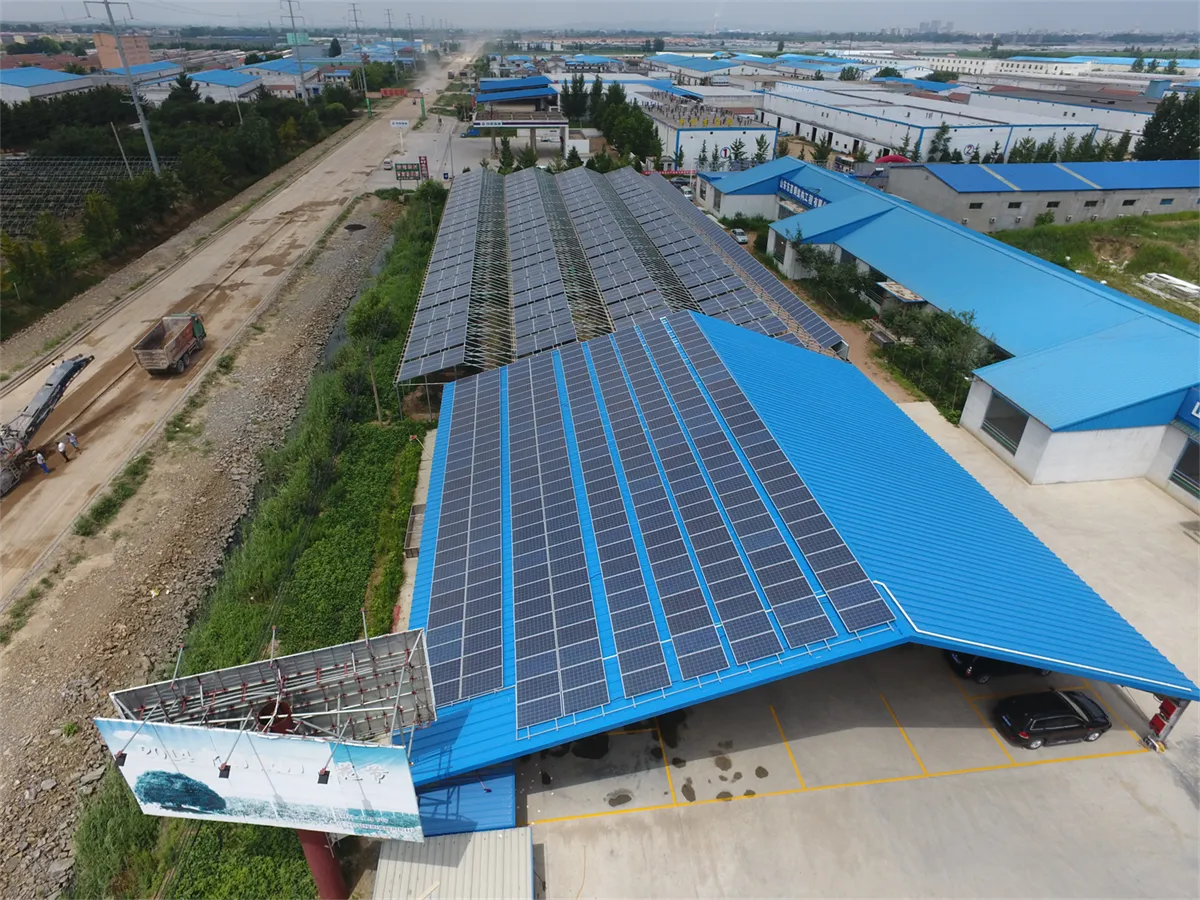
Not all roofs or needs are created equal. These niche performers solve specific challenges:
Using thin-film cadmium telluride instead of silicon, these panels actually convert more light as temperatures climb above 90°F. Perfect for Arizona and Texas rooftops where conventional panels lose 15-20% efficiency.
These matte-black beauties disappear against dark roofs while maintaining 20.7% efficiency. Comes with specialized mounting hardware for Spanish tile roofs that usually require complicated racking systems.
Fully manufactured in San Antonio, TX using US-made polysilicon. Slightly less efficient at 20.2%, but makes up for it with -0.31%/°C heat performance and a robust 10-year workmanship warranty.
Choosing panels isn't about finding the "best" - it's about finding the right fit for your specific home. Here's how to think about it:
If you're space-constrained, every square foot matters. Prioritize panels with:
• Efficiency ratings over 22%
• Half-cell designs that minimize unused space
• Higher wattage models (400W+)
Recommended: SunPower Maxeon 7, REC Alpha Pure-R
Heat is the enemy of solar performance. Look for:
• Temperature coefficients of -0.30%/°C or better
• Darker cell colors that radiate heat better
• Frame-free designs that avoid hot spots
Recommended: First Solar Series 7, Panasonic EverVolt HK
You don't have to spend premium dollars for quality performance:
• Focus on panels with consistent production histories
• Accept 19-20% efficiency for 25-40% savings
• Prioritize warranties over peak specs
Recommended: CanadianSolar HiKu7, Q Cells Q.PEAK DUO
Even the best panels underperform with bad installation. These pitfalls can cost you thousands:
A panel installed at your latitude angle produces 15% more annually than a flat-mounted version. Ask installers about adjustable racks if you have a low-slope roof.
Premium panels need premium inverters. Microinverters (like Enphase IQ8) optimize each panel individually, adding up to 25% more energy from partial shading vs string systems.
Let's cut through the financing hype and look at real numbers:
Premium panels (SunPower)
System cost: $25,600
After tax credit: $17,920
Annual savings: $1,820
Payback period: 9.8 years
Value panels (CanadianSolar)
System cost: $20,800
After tax credit: $14,560
Annual savings: $1,620
Payback period: 9 years
Assumes 30% federal tax credit, $0.15/kWh electricity rate, and 1,500 sun hours annually. Premium panels last longer but take marginally longer to pay back.
Leases and PPAs rarely benefit homeowners long-term. A $25,000 cash purchase at 6% loan with 30% tax credit beats:
• Leases saving $100/month but with escalator clauses
• PPAs at 15¢/kWh when utility rates are 18¢
While today's panels are great, these emerging technologies might be worth delaying your installation:
Companies like Oxford PV are hitting 29% efficiency in lab settings by stacking materials. Mass production begins late 2024 for potential 2025 availability.
Solaria is piloting panels with integrated battery layers - storing excess energy at the source rather than sending it all to central batteries.
Choosing the right solar panels in 2025 comes down to balancing your specific needs against the incredible range of technologies available. From premium SunPower systems to value champions from CanadianSolar, there's a perfect match for every home and budget.
Armed with this guide, you're now equipped to ask the right questions and make an informed decision that will deliver clean energy and savings for decades. Your future self - and your power bills - will thank you!
Recommend Products












