


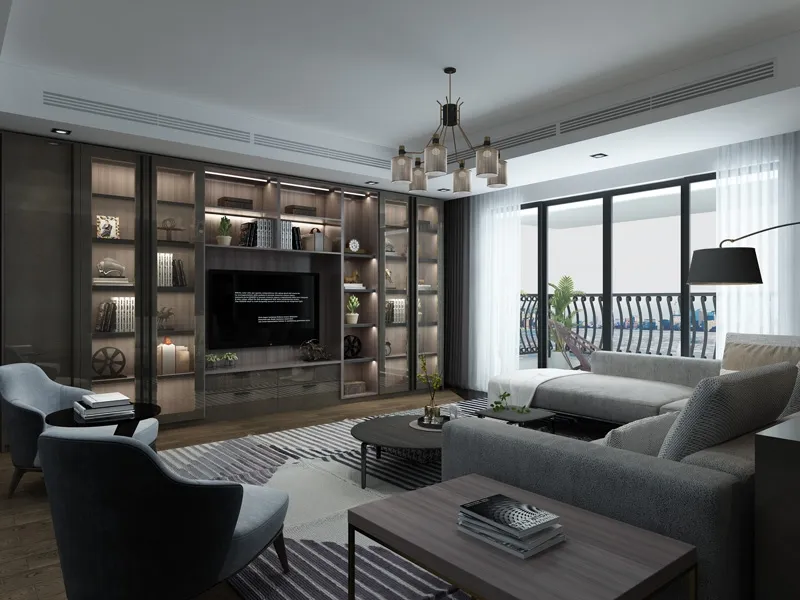
Your TV cabinet isn't just furniture – it's the command center of your living room. We all know that sinking feeling when favorite pieces start showing wear too soon. Let's face it: quality cabinets aren't cheap, and replacing them every few years isn't practical.
Here's the truth most people miss: with the right care techniques, you can easily double or triple your cabinet's lifespan. These aren't complicated museum conservation methods, but real-life solutions that fit busy schedules. I've distilled years of furniture expertise into ten actionable tips that'll keep your entertainment hub looking sharp for decades.
Location Matters More Than You Think
Where you place your cabinet dramatically impacts its longevity. That sunny spot by the window? It's actually causing hidden damage. UV rays fade finishes and dry out wood, while humidity fluctuations near exterior walls cause warping. Over years, this environment relentlessly attacks cabinet materials.
Aim for a central position away from direct sunlight and exterior walls. Keep at least 6 inches between your cabinet and heating vents – that constant blast of hot air literally bakes the finish over time. Kitchens and bathrooms? Avoid unless your cabinet is specifically designed for these high-moisture zones.
Your furniture breathes. Like our skin expands in summer humidity and contracts in winter dryness. Placing cabinets against outside walls means they absorb that seasonal moisture rollercoaster, causing joints to loosen and materials to swell.
Temperature & Humidity Harmony
Wood isn't static - it expands and contracts with environmental changes. Dramatic shifts create stress fractures and loosen joints. That sticky drawer during humid months? Wood swelling against itself. That slight gap appearing in winter? Contraction doing its work.
Maintain a steady 40-45% humidity level. Use a simple hygrometer – they're inexpensive and alert you when levels fall outside this zone. During dry winter months, a small humidifier prevents wood from becoming brittle. Don't position cabinets near radiators or fireplaces where temperatures fluctuate rapidly.
Your TV, consoles and soundbars generate significant heat. Ensure at least 2-3 inches clearance above electronics with rear-mounted vents kept open. Consider vented panels if enclosed.
Weight Distribution Wisdom
Overloading cabinets causes visible sagging and invisible structural stress. That 80" TV weighs more than you think! Rear-mounted consoles and heavy soundbars add tremendous downward pressure.
Always distribute weight evenly. Place heaviest items above sturdy vertical supports – not over unsupported middle shelves. Reinforce cabinet legs with furniture pads. If your setup includes multiple heavy electronics, consider wall-mounting the TV to reduce cabinet burden.
Modern entertainment centers are engineered for specific loads. Check manufacturer specs – exceeding weight limits voids warranties and accelerates failure points like shelf bracket anchors and drawer sliders.
Aggressive cleaners slowly eat away at finishes. That "sparkling clean" shine? Actually microscopic chemical damage accumulating over time. Paper towels leave micro-scratches while spraying directly on furniture risks moisture seeping into joints.
The 2-step golden rule: dust first, clean second . Use microfiber cloths dry to remove abrasive particles before dampening. Always spray cleaner onto cloth – never directly on cabinet surfaces. Wipe gently in the wood grain direction.
Monthly deep-cleans using pH-neutral solutions preserve sealants. For dusting, lightly mist cloths with water and finish with a microfiber towel to avoid residue.
Protective Measures That Work
Those coaster warnings aren't marketing hype – condensation rings permanently etch finishes when trapped against sealants. Hot electronics cause additional problems: plastic components can fuse to surfaces when temperatures peak.
Use natural-material absorbent coasters that wick moisture away from surfaces. Place rubber protectors under electronics to prevent direct contact. For TV cabinets made of real veneer or solid wood, wax treatments create protective molecular barriers against spills and scratches.
Regular applications of non-silicone polish in thin layers maintain wood integrity. Avoid spray waxes near heat sources where residue becomes difficult to remove.
Prevent Scratches & Dents Naturally
Felt pads become your cabinet's armor. Apply specialized pads to corners of devices rather than just placing them under equipment. Cabinet drawers need protection too – install strips along the base edges where they meet cabinet interiors.
When moving media devices, always lift instead of sliding – those micro-gouges accumulate into visible damage over time. Be mindful of jewelry, belt buckles, or pet claws when accessing cabinets.
For glass-door cabinets, use silicone bumpers to prevent hard contact. Maintain clear paths around furniture to avoid accidental bumps during cleaning or vacuuming.
Maintenance Before Problems Appear
Don't wait for wobbles to address stability issues. Quarterly checks prevent small problems from becoming catastrophic failures. Simple vigilance extends lifespan exponentially.
- Tighten hardware annually using appropriate screwdrivers
- Check levelness every season with a simple smartphone app
- Apply lubricant to drawer rails and hinges twice yearly
- Examine finishes under bright light to spot early wear
- Vacuum interior vents to maintain electronics airflow
Rotate accessories seasonally to distribute wear evenly across surfaces that might otherwise develop permanent depressions.
Upgrade Wear Points Proactively
Drawer glides, shelf pins, and leg levelers bear the brunt of daily use. Upgrading these components before failure transforms cabinet longevity.
replace plastic glides with soft-close metal runners. Swap basic shelf pins for adjustable locking versions. Install wider glides to distribute weight more effectively across tracks.
For cabinets with glass elements, periodically inspect tension wire systems and mounting hardware that support these fragile materials. Proactive replacements cost pennies but add years of service.
Invest in the Right Materials
Not all cabinets age equally. Engineered wood requires different care than solid hardwoods or metal frames. Recognize your cabinet's construction to tailor maintenance.
Solid wood expands/contracts seasonally – allow slight gaps in winter. Engineered wood needs stable humidity. Metal frames require attention to joint welding points. Veneers demand careful cleaning to avoid edge lifting.
If considering a new purchase, look for kiln-dried hardwoods with dovetail joinery – they withstand decades of use better than particleboard constructions.
The Future-Proof Approach
Technology evolves rapidly – today's gaming console becomes tomorrow's relic. Choose cabinets with modular components that accommodate evolving electronics.
A multifunctional TV cabinet with adjustable shelves, removable back panels for cable management, and convertible storage spaces adapts as needs change. This eliminates the need for "temporary fixes" that strain cabinets.
Cabinets with easy-access panels behind mounting points simplify electronics upgrades without disassembling the entire unit – reducing wear during transitions.
Your TV cabinet deserves the same thoughtful care as the entertainment it houses. These ten tips don't require hours of weekly work – just consistent mindfulness integrated into regular routines. Start with strategic placement and smart weight distribution, then build protective habits. You'll be amazed how small adjustments prevent major headaches down the road. Implement even half of these suggestions, and you're on track to enjoy your entertainment hub for decades rather than years.










