
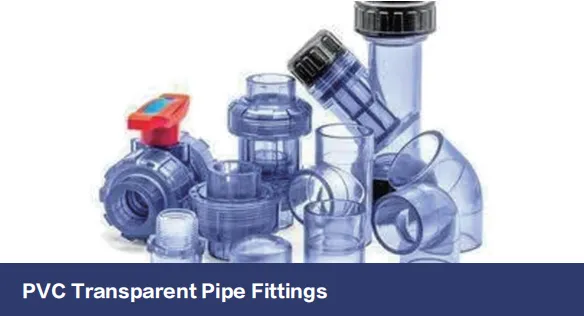
Hey there! If you're using clear PVC pipes in your lab, brewery, or manufacturing setup, you already know their magic: seeing what's flowing inside without opening the system. But that visibility comes with responsibility. Unlike opaque pipes, these transparent beauties show you every bit of gunk, cloudiness, or algae bloom developing inside. Ignore them, and you'll lose both visibility and performance quicker than ice melts in summer.
I've worked with engineers and facility managers who treat clear PVC pipes like regular plumbing. Big mistake. That'd be like using a microscope as a hammer. These pipes need special love – not complicated care, but consistent, smart care that respects their transparency and chemical sensitivity.
When properly maintained, your clear PVC pipes can outlast expectations while keeping their crystal-clear look. Skip maintenance? You might as well throw your money straight down the drain. Following these ten practical tips will keep your pipes running cleaner for longer, saving you money and headaches down the line.
Make it a ritual – every Monday morning coffee in hand, do a walkaround of your pipe system. You're looking for three red flags:
I've seen systems where staff notice changes but think "It'll last another week." Don't gamble. A 2-minute inspection could prevent an hour-long emergency cleanup later. That visible flow is your superpower – use it!
You wouldn't scrub a champagne flute with steel wool, would you? Same principle applies:
Pro tip for elbows and fittings: Baby bottle brushes reach where fingers can't without scratching. Remember, aggressive cleaning damages faster than dirt! For specialized visual flow pipeline fittings , extra care is essential.
"I thought it was safe!" is the most expensive phrase in facilities management. PVC transparency doesn't equal universal compatibility:
Print your specific chemical chart (manufacturer websites have these) and laminate it at every station. I saw a craft brewery prevent $8k in pipe replacements just by posting ethanol compatibility warnings near mixing stations.
UV damage sneaks up like uninvited guests:
Ever leave a plastic water bottle in your car? That yellowish tint? That's UV damage happening to your pipes too. In a greenhouse setup, shaded pipes last 73% longer according to horticultural studies.
That squeak when tightening isn't normal:
Important: Never lubricate interior surfaces. A lab tech I know ruined a fermentation line when lubricant leaked inside and contaminated the batch. Outside joints only!
Installation choices dictate maintenance headaches:
Ask yourself during installation: "How will I clean this spot in 2 years?" I've watched maintenance crews dismantle entire systems to clean one unreachable elbow – design smarter.
PVC doesn't handle thermal stress well:
A dairy plant fixed their annual pipe failures by pre-warming milk lines with water before pumping heated product through – 4 years running strong with no replacements.
Algae/bacteria love transparent pipes:
Chemical plants using cooling towers add 1 cup white vinegar per 10 gallons monthly to prevent algae. Non-toxic and shockingly effective against green buildup.
Treat pipes like glassware:
Common Mistake: Using pipes as ladders or step stools. I witnessed a brewery lose 40 feet of line when a worker stepped on an unsupported section. $3,200 mistake.
Your memory lies; data doesn't:
A pharmaceutical company extended pipe life 400% by spotting usage patterns in their logs and preemptively rotating high-stress sections. Data is predictive power.
What sets clear PVC apart is exactly what makes it vulnerable: visibility. Unlike metal pipes failing silently from within, transparent systems show warning signs early. That cloudiness? Your pipes literally screaming for help before catastrophic failure.
The techniques here aren't complicated – just consistent. Ten minutes of weekly attention can add years to your system's life. Remember: clean pipes aren't about vanity; they're about efficiency. Scale buildup decreases flow rates by up to 22% according to hydraulic studies, meaning your pumps work harder costing you more.
Start implementing one tip per week. In two months, you'll have transformed your maintenance approach. Your pipes will reward you with clearer performance and fewer surprises.
Recommend Products












