
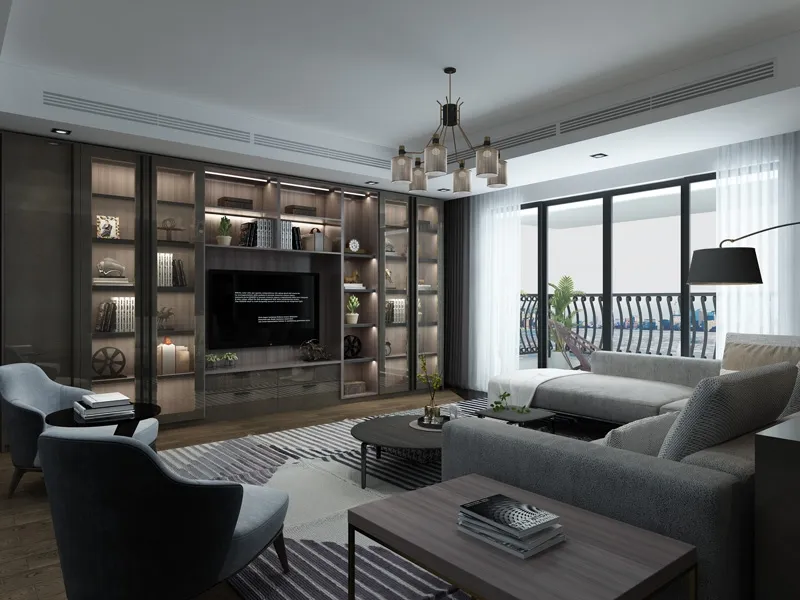
Hey there! If you're in the market for new media furniture, you've probably realized that not all TV cabinet suppliers are created equal. As someone who's navigated this industry for years, I know how overwhelming it can feel to distinguish quality manufacturers from the rest. That sleek catalog image won't tell you whether those cabinets can survive your toddler's juice spills or last beyond next season.
This isn't just about how many
TV stands
they make monthly. Dig into:
• Machine utilization rates (are they running at 50% or 90% capacity?)
• Workforce flexibility during peak seasons
• Modular production lines that can adapt to custom orders
I once toured a factory in Foshan where production halts during summer because they couldn't scale ventilation – nightmare for timeline commitments!
Ask for:
• Their defect tracking software (Excel spreadsheets? Red flag!)
• Physical sampling procedures at each assembly stage
• Third-party certification reports
Real story: A supplier showed gorgeous prototypes but skipped humidity testing. Months later, cabinets warped in Miami bathrooms...
Beyond "we use sustainable wood":
• Traceability systems for
wood panels
• Coating toxicity certifications (CARB vs. CA Prop 65)
• How they vet secondary suppliers
Ethical tip: Visit their timber yard unannounced. I found "FSC-certified" plywood stacked next to unmarked logs once...
• True cost breakdowns for small runs (why does 100 units cost 30% more/unit than 500?)
• Warehouse strategy for buffer inventory
• Hybrid payment models for startups
Surprising fact: Factories charging huge MOQs often outsource finishing – total quality roulette.
• Design-to-production workflow maps
• Sample approval protocols
• Error margins for
custom TV cabinet
modifications
Pro insight: Factories using ERP systems like SAP handle complex custom orders 40% faster.
• Defective product destruction evidence
• CRM integration for issue tracking
• Compensation frameworks
Horror show: A client discovered returns "repaired" with duct tape and resold as new!
• Raw material hedging strategies
• Automation investments affecting labor costs
• Duty optimization schemes
Golden rule: If they can't explain why competitor X is 25% cheaper, they probably cut corners somewhere.
• CNC programming qualifications
• RFID tracking in warehouses
• AI in demand forecasting
Future-proof sign: Factories using 3D printing for prototyping reduce sampling costs by 60%.
• Humidity-controlled packaging labs
• drop-test certifications
• Retail-ready packaging options
Shipping hack: Suppliers using corner protectors and foam-in-place systems reduce damage claims by 80%.
• 5+ year client testimonials
• Maintenance request histories
• Longevity testing documentation
Reality check: Cabinets surviving European retailers' 10-year warranties usually have steel-reinforced joints.
Never underestimate factory visits. That gleaming showroom? Meaningless. The real truth hides in their employee cafeteria and maintenance logs. And remember - the best partnerships emerge when suppliers show you their vulnerabilities and improvement plans, not just polished samples. Happy sourcing!
Recommend Products












