
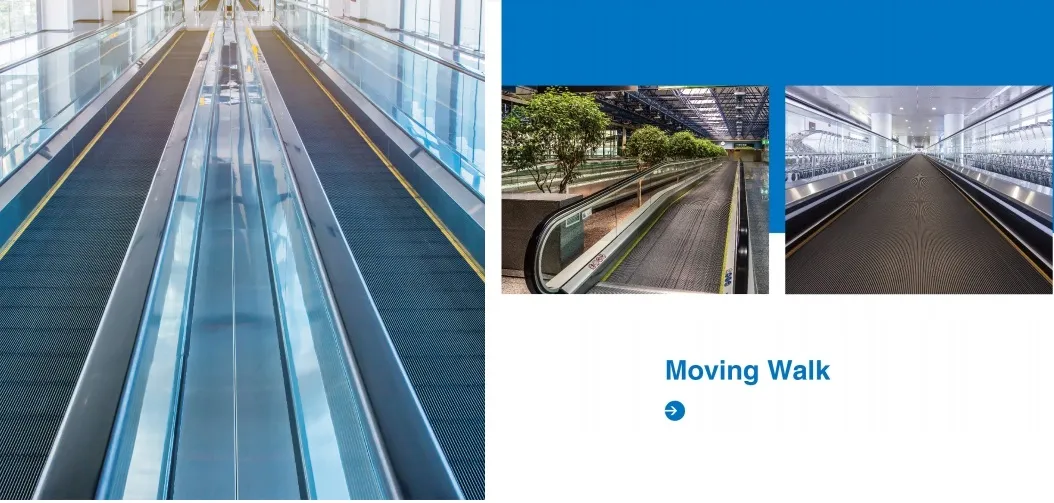
Picture this: thousands of visitors navigating through massive exhibition halls, trying to get from one dazzling display to another. Without efficient crowd management, what should be an inspiring experience quickly turns into a frustrating shuffle. That's where moving walkways come in – they're not just conveniences, they're essential traffic directors. By strategically placing these systems, organizers transform chaotic spaces into smoothly flowing experiences that keep people moving without that cattle-herd feeling.
The magic happens when you combine smart engineering with real-time adaptability. Unlike permanent installations that take months to build, today's advanced modular flooring systems can be deployed in days or even hours. They slot together like puzzle pieces, adapting to whatever weird corners or unconventional spaces your venue throws at you. What used to require construction crews and concrete is now more like assembling high-tech LEGO bricks.
Getting walkways operational quickly isn't magic – it's about understanding three crucial phases:
The materials themselves have evolved tremendously. Modern walkways use aluminum-composite skeletons that are 40% lighter than older steel models, meaning they need less structural reinforcement underfoot. The walking surfaces? We use specialized slip-resistant panels with replaceable sections – when someone drops that strawberry smoothie, you swap a tile in minutes, not hours.
Remember the ExpoTech 2023 debacle? Three days before opening, the main hall's entry corridor failed safety inspections. The organizers faced catastrophe – 5,000+ attendees arriving with no safe entry flow.
Enter rapid-deployment walkways. A crew arrived at midnight, armed with:
By dawn, they'd assembled 280 meters of elevated walkway, complete with emergency exits and integrated lighting. How? By using quick-release anchoring systems instead of drilling into the historic venue's floor. The walkways didn't just prevent chaos – they became the event's most Instagrammed feature, with visitors loving the seamless flow.
Good temporary infrastructure does more than move people – it solves multiple problems simultaneously:
Modern designs even incorporate subtle lighting that guides visitors intuitively while illuminating displays as they pass. This architectural lighting integration creates Instagram-friendly experiences where the infrastructure enhances exhibits rather than clashing with them.
"But aren't temporary walkways ridiculously expensive?" Let's debunk that myth with cold numbers.
A typical large exhibition sees walkways cut staffing costs by 15-20% – fewer crowd marshals needed when flow manages itself. Then consider the revenue upside: Faster circulation means visitors see 30-40% more booths, increasing engagement and impulse purchases. Brands report higher satisfaction scores when visitors aren't exhausted from navigating.
Savvy organizers are turning to reuse networks . Instead of buying new systems, they share standardized components across multiple events. Components get refurbished between uses – scratched panels resurfaced, motors recalibrated – in specialized centers. It's the rental economy applied to infrastructure.
The future holds fascinating developments:
The real game-changer? Materials science. We're seeing early self-healing polymer composites that can smooth out minor scuffs automatically overnight. Imagine deploying systems on Monday that actually improve by Friday!
Want hassle-free execution? Follow this practical checklist:
The best organizers now include walkway diagrams in vendor packages – showing exhibitors exactly how traffic will flow past their booths. This transparency leads to smarter booth designs and happier partners.
Ultimately, the walking experience becomes your exhibition's silent ambassador. When visitors glide effortlessly between discoveries instead of battling crowds, they associate your brand with comfort and innovation. In our impatient world, that feeling is priceless.
Recommend Products












