
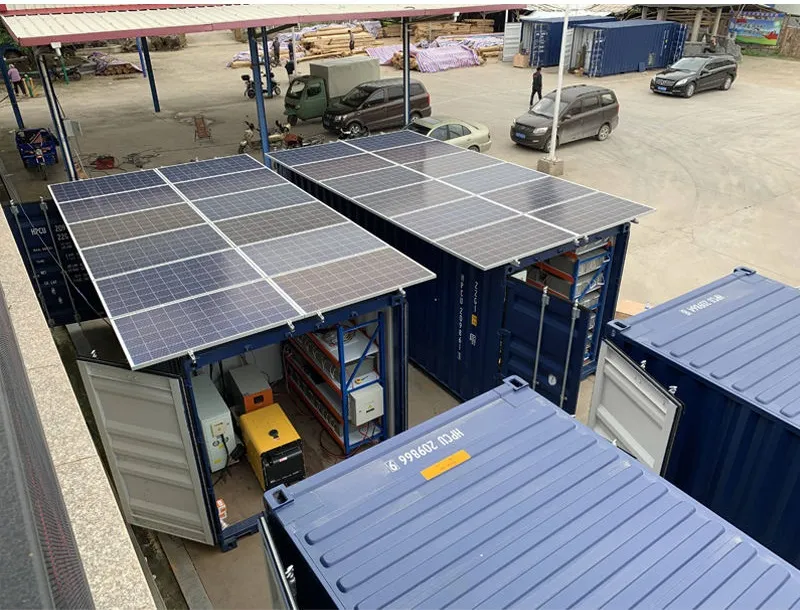
Hey there solar enthusiasts! Let's talk about something that doesn't get enough attention but makes a massive difference in your system's performance - temperature coefficients. Think of it like managing your computer's heat levels. Just like CPU overheating causes throttling and crashes, solar panels lose efficiency as temperatures climb.
What many people don't realize is that the backplane color actually plays a huge role in how heat builds up in panels. Darker colors absorb more thermal energy while lighter colors reflect it - and that directly impacts your electricity generation.
Imagine this summer heatwave day. Your panels are sitting on a dark roof, baking in full sun. You'd expect peak power generation, right? Actually, those panels might be producing significantly less than their rated capacity because of heat-related efficiency losses.
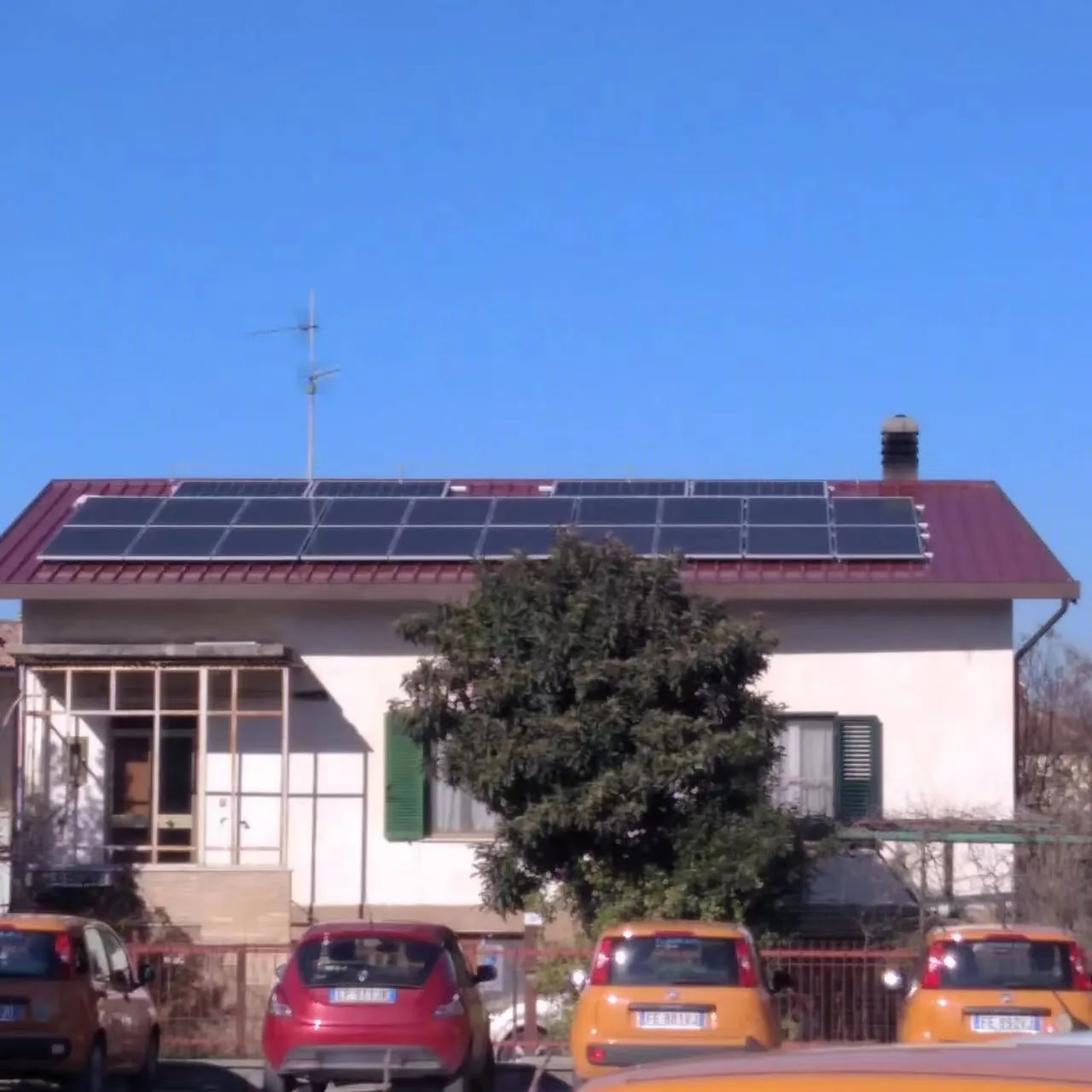
Okay, let's break down this technical term into plain English. A temperature coefficient is simply a number that tells us how much a panel's efficiency drops as temperatures rise. For example, a coefficient of -0.35%/°C means the panel loses 0.35% of its output for every degree Celsius increase above 25°C.
Here's the kicker: this varies significantly between different solar technologies, mounting systems, and critically, between black and white backplane configurations.
During winter testing, both backplane types perform relatively similarly. But come summer when ambient temperatures can reach 35-40°C, the panel surface might hit 65-70°C. That's when we start seeing serious performance gaps emerging.
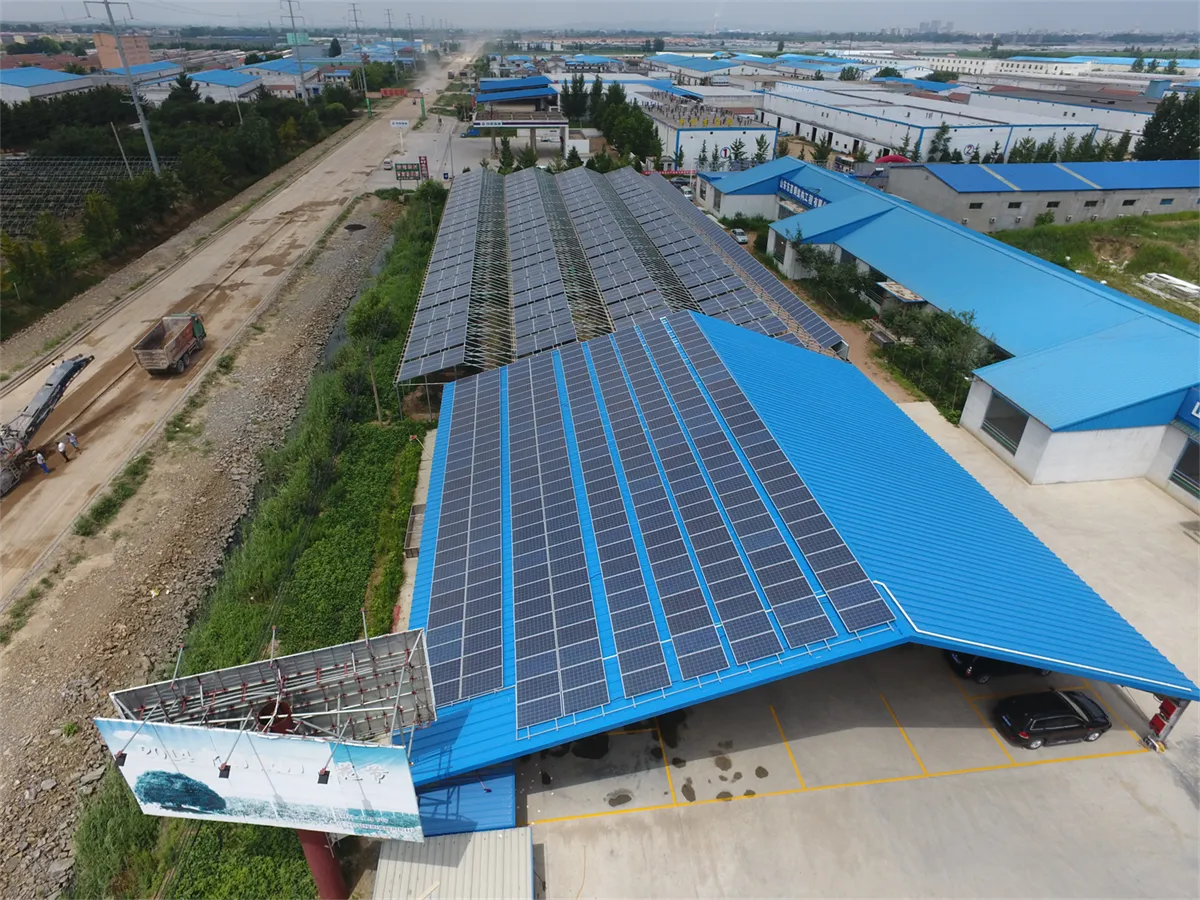
| Characteristic | Black Backplane | White Backplane |
|---|---|---|
| Solar Absorption | 90-95% of incoming radiation | 70-75% of incoming radiation |
| Thermal Reflection | Minimal (5-10%) | Significant (25-30%) |
| Operating Temperature Range | 65-75°C in summer | 55-65°C in summer |
| Peak Temperature Reduction | Reference point | 8-12°C cooler |
Real talk - the black ones look sleeker and are preferred for aesthetic reasons. But those stylish dark panels come with hidden costs during hot weather. The white backplanes? They're the practical option that doesn't get enough love.
Here's the surprising part: that difference in operating temperatures translates to about 3-5% better performance during peak summer hours for white backplane panels. Doesn't sound like much? It adds up to hundreds of kilowatt-hours annually for a typical home installation.
Let's get into the numbers and see what this actually means for your power generation:
During a typical summer day with ambient temperatures around 35°C, we see:
That difference might seem small at first glance, but multiply it across months and suddenly we're talking about significant real-world energy production differences.
Interestingly, during colder months, black backplane panels actually have a slight edge because they can heat up more effectively during brief sunny spells in cold weather. But since most solar generation occurs in summer months for many locations, the white backplanes still win in annual production.
Digging deeper into what makes these panels different - it's all about material composition. Both use similar photovoltaic materials, but the backplanes involve different polymers and reflective additives.
The white backplanes incorporate special titanium dioxide particles that create their reflective properties. These pigment particles scatter infrared radiation rather than absorbing it. It's similar to how quality paint stays cooler than plain plastic.
Black backplanes use carbon-based compounds that absorb across the entire electromagnetic spectrum. This gives them their deep color but turns them into thermal collectors during sunny days.
If you're interested in photovoltaic technology advancements, you'll appreciate how manufacturers are experimenting with hybrid solutions. Some now offer 'cool black' options that maintain the aesthetic while using infrared-reflective pigments.
Mounting choices dramatically affect thermal performance regardless of backplane color. Three key installation factors:
Ground systems run cooler with better airflow - but white backplane benefits remain consistent in both installation types. Ground mounts give both types better thermal regulation.
Installations with at least 6 inches of clearance underneath perform much better. This allows convective cooling as heat rises off the panels.
Dark shingles create a heat bubble effect. Light-colored or reflective roof treatments improve performance for both types but especially help black backplane panels.
Let's crunch numbers using actual system examples from across different climates:
| Location & System Size | Black Backplane Annual Yield | White Backplane Annual Yield | Performance Difference |
|---|---|---|---|
| Phoenix, AZ - 8kW System | 14,200 kWh | 14,800 kWh | +4.2% |
| San Diego, CA - 6kW System | 10,100 kWh | 10,450 kWh | +3.5% |
| Miami, FL - 7kW System | 12,300 kWh | 12,750 kWh | +3.7% |
| Chicago, IL - 5kW System | 6,800 kWh | 7,000 kWh | +2.9% |
Notice how the performance gap widens in hotter climates? That's the temperature coefficient difference becoming a major player. In cooler climates like Chicago, the annual difference shrinks but remains significant.
This brings up an important consideration - white backplane panels typically cost 5-7% more than their black counterparts. So is the premium worth it?
Let's think long-term: Over a 25-year lifespan, that extra 3.5-4% annual production adds up to thousands of extra kilowatt-hours. For a typical 8kW system in a hot climate, that difference could be worth $2,500-$4,000 in extra electricity value over the system's life.
Most homeowners see payback on the premium in 4-7 years, depending on electricity costs and climate conditions. After that, it's essentially free bonus electricity for the remaining system life.
Not all panels are created equal when it comes to temperature coefficients. Here's how major brands compare:
The gap between color options tends to be wider in lower-cost panels where less engineering goes into thermal management.
While backplane color matters, it's not the only player:
Monocrystalline silicon handles heat better than polycrystalline. Thin-film options have completely different temperature characteristics, often with lower negative coefficients.
Quality inverters with advanced tracking algorithms can partially compensate for temperature-induced efficiency drops, especially during brief peaks.
System location matters more than most realize. Coastal systems run cooler than desert installations. Urban heat islands affect performance. Your specific microclimate impacts which backplane choice makes most sense.
So should you go white or black? Here's a simple decision framework:
Personally, if I were installing solar today in Florida? I'd take that white backplane without hesitation. The performance advantage in hot months more than makes up for the slight cost premium. But for homeowners in cooler climates? The choice becomes more about budget and personal preference.
Exciting developments are emerging in this space:
Some manufacturers are experimenting with water-cooled backplanes in commercial installations. Tiny microfluidic channels circulate water to actively cool panels.
Panels embedded with PCMs absorb excess heat during peak temperatures and release it slowly later. Early prototypes show 5-8% peak power improvements.
The next generation might include panels that selectively reflect infrared while absorbing visible light - giving the best of both worlds.
For now though, the simple choice between black and white backplanes remains surprisingly important for your system's long-term production profile.
At the end of the day, understanding temperature coefficients helps you make better decisions about your solar investment. While module efficiency ratings get all the attention, temperature response might actually be more important for real-world yield in many climates.
My advice? Talk to your installer about your specific location and mounting conditions. Get exact temperature coefficient specs for the panels you're considering, and compare them alongside cost and warranty terms.
The solar industry often looks at how well photovoltaic systems capture light, but increasingly we're realizing that managing heat is equally crucial. Who knew that something as simple as backplane color could make such a practical difference?
Recommend Products












