
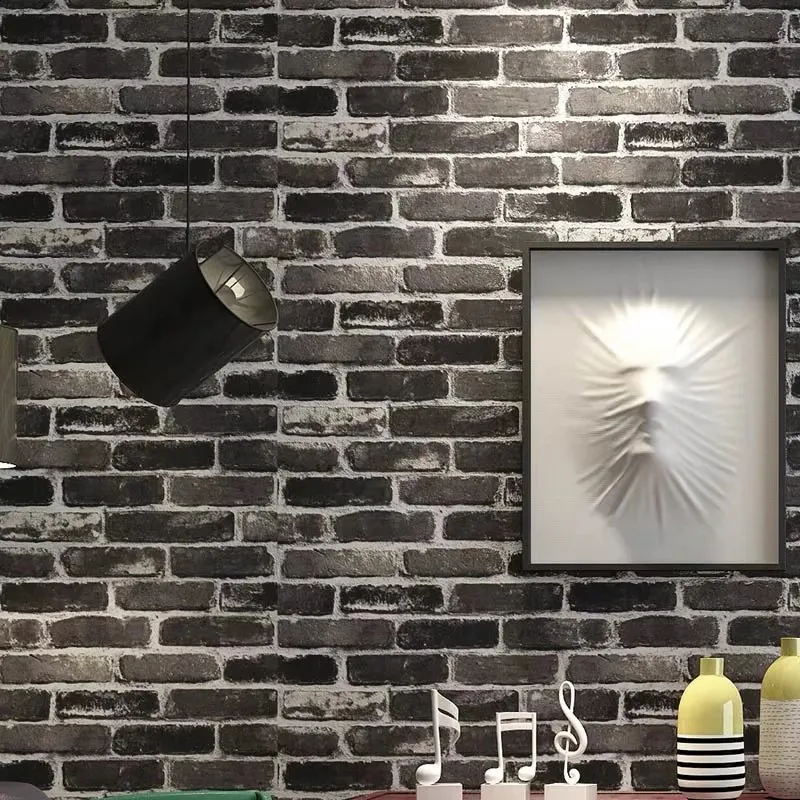
Picture yourself descending into a beautifully crafted wine cellar – that satisfying coolness hitting your skin, the faint earthy aroma in the air, and rows of bottles sleeping peacefully in their perfect environment. Creating this sanctuary isn't magic; it's science. Getting temperature and humidity just right makes all the difference between a collection that matures gracefully and one that disappoints. And here's where shale cultural stone steps in, not just as decoration, but as a silent guardian of your wine's potential.
Most wine enthusiasts obsess over varietals and vintages, but few realize how much interior wall tiles like shale stone impact what's inside the bottle. Unlike ordinary construction materials, this natural element does more than just look good – it breathes, balances, and buffers like a natural climate controller.
Wine is famously finicky. Remember that laptop thread where folks were fretting over CPUs hitting 90°C? Wine reacts similarly to temperature swings. When cellar temps climb above 15°C (59°F), chemical reactions accelerate. Your prized Cabernet starts aging like it's on fast-forward, losing subtle flavors and gaining cooked, jammy notes. Too cold? Below 7°C (45°F) and maturation crawls to a near halt, robbing your wine of complexity.
Fun fact: A 10°C fluctuation – say from 12°C to 22°C – can expand and contract corks, allowing oxygen seepage that turns your investment into expensive vinegar. It's worse than any overheated GPU!
Humidity is equally vital. Below 50% relative humidity? Corks dry out and shrink like a neglected sponge, letting air creep in. Above 80%? Hello mold paradise, creeping onto labels and potentially contaminating closures. This is why proper wall cladding systems matter more than most realize.

Shale cultural stone gets dismissed as decoration, much like that elegant wine cabinet in your dining room. But just as proper cabinetry protects bottles from light and vibration, shale's layered structure performs critical functions:
It's like comparing active cooling to passive – just as folks debated GPU fan curves and heat sinks in tech forums, wine storage demands materials engineered for balance.
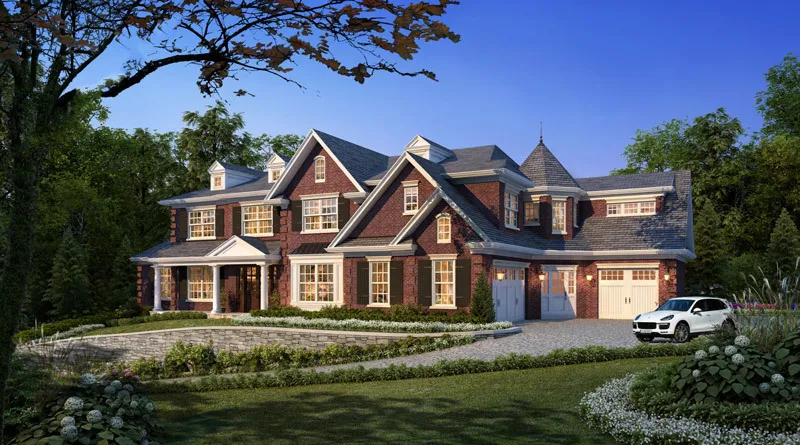
Let's walk through a practical scenario. Imagine a cellar in Napa Valley where outside temperatures swing from 5°C (41°F) in winter to 38°C (100°F) in summer. With conventional drywall construction, interior temps bounce wildly without constant AC intervention – racking up bills and carbon footprints.
Now sheath those walls with 50mm shale cultural stone:
Meanwhile, during seasonal humidity drops, shale's natural water content passively humidifies the air. Come rainy season, it buffers excess moisture. It's the ultimate set-it-and-forget-it climate ally.
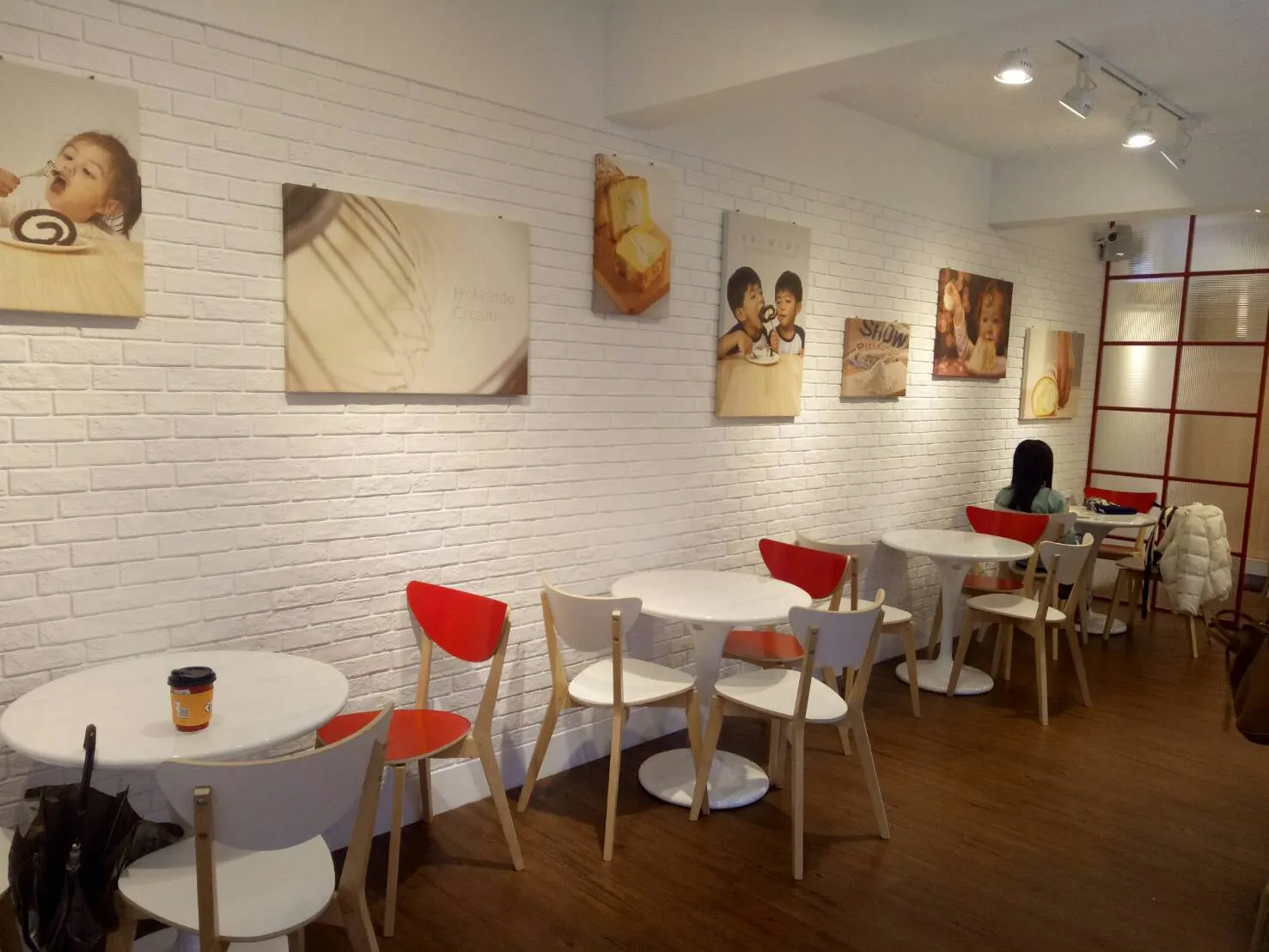
Here's where shale transcends ordinary building materials. Wine isn't just chemistry; it's emotion. Shale stone carries geological time in its striations – each layer whispering of ancient rivers and mineral deposits. This resonance transforms a utilitarian cellar into a sanctum.
Designers frequently leverage shale's texture and color variations:
Just as the Dell 2-in-1 user sought both performance and portability, shale delivers environmental control and aesthetic warmth. It's the quiet professional – effective without shouting.
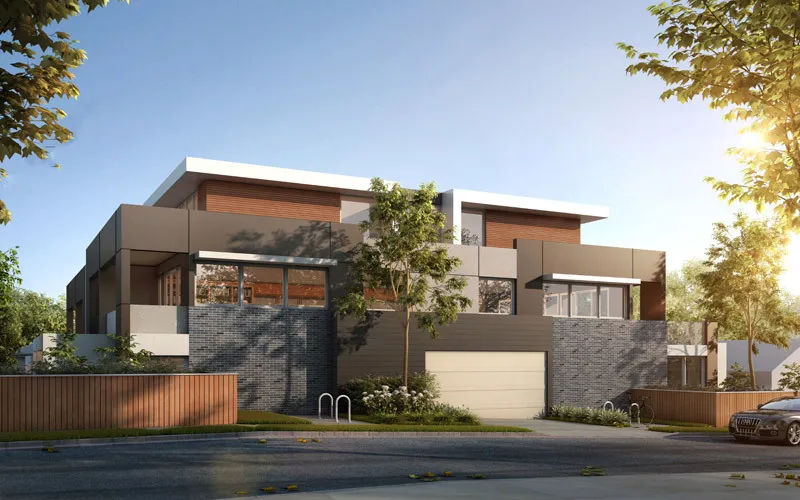
Ever noticed how forum threads fill with problem-solving? Wine storage has its own pain points:
Problem:
Half bottles evaporating over 5 years?
Shale Fix:
Consistent 60-70% humidity keeps corks optimally swollen without artificial humidifiers that oversaturate corners.
Problem:
Vibrations ruining sediment?
Shale Fix:
Mass-loaded structure dampens low-frequency vibrations better than any DIY acoustic panel.
Problem:
New-world funk dominating delicate aromas?
Shale Fix:
Natural clay content passively absorbs volatile sulfur compounds better than plastic-based composites.
These aren't hypotheticals. Thermal imaging comparisons show shale-clad walls with remarkably consistent temperature gradients across surfaces – something impossible with stud-and-drywall builds.
Some argue stone demands laborious upkeep. Reality check! With proper installation:
One vineyard cellar we studied after 15 years showed no degradation, moisture damage, or thermal decline – aging more gracefully than the '99 Bordeaux within its walls!
Consider a collector storing premium bottles at $200+/each. A poorly regulated cellar accelerates aging by 5-10 years. Over 500 bottles? That's $100,000+ worth of wine degrading prematurely. Shale installation might add $8,000-$15,000 upfront – but it's insurance paying dividends in liquid assets.
Much like choosing between cheap vs. quality thermal paste for CPUs, investing in proper wine storage infrastructure pays back in performance and longevity.
True wine appreciation respects patience. The best cellars aren't climate-controlled boxes but ecosystems where design collaborates with nature. Shale cultural stone embodies this partnership – leveraging mineral wisdom accumulated over millennia to protect precious vintages.
So when planning your cellar, think beyond refrigeration units. Choose walls that do more than divide space; choose materials that actively nurture what matters most. Because in that perfect balance of coolness and humidity, science and poetry uncork together.
Recommend Products












