
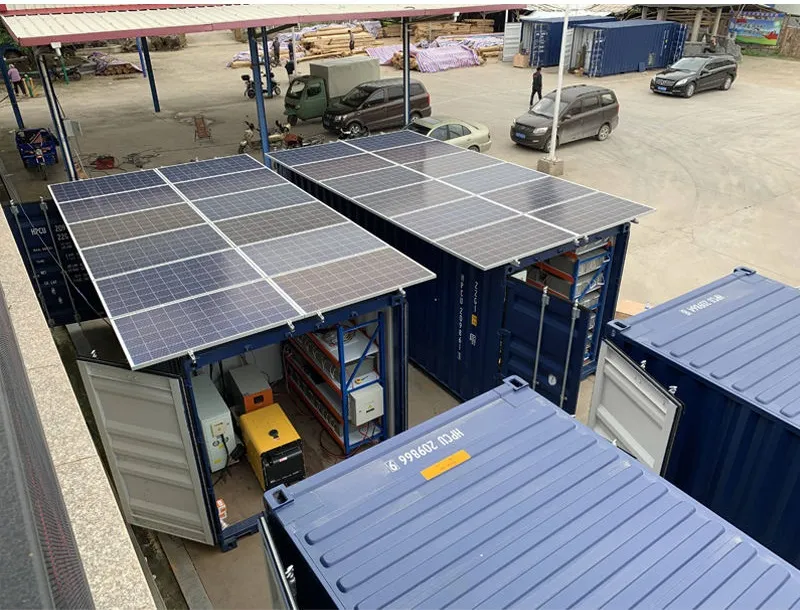
These aren't just paperwork exercises gathering dust in government offices. Kazakhstan's new standards cover everything from how deep to drill geothermal wells to the exact specs for solar panel cables. For solar developers, this is like having GPS coordinates instead of vague directions. The standards create a common language between engineers, financiers, and inspectors – meaning fewer costly misunderstandings halfway through projects.
Local technicians we've spoken to actually seem excited about these rules. One shared: "Before, we were guessing cable thickness based on Russian specs from the 90s. Now? We know exactly what survives our winters." That kind of certainty matters when billion-dollar investments are on the line.
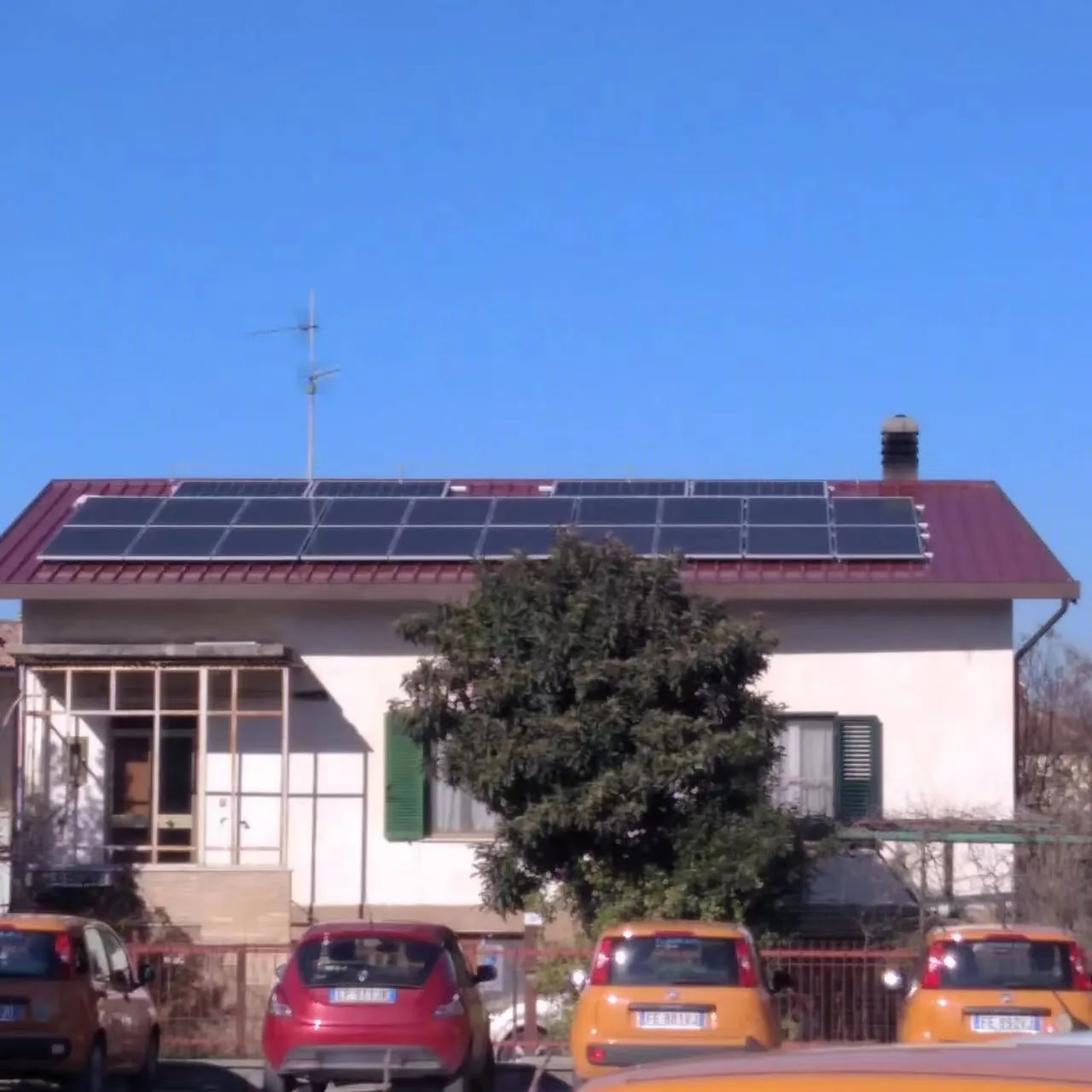
Here's the thing about standards – they turn potential into profit. Kazakhstan's auction system is now attracting heavyweight investors partly because everyone knows the technical playbook. Recent bids show tariffs dropping nearly 15% year-over-year. Why? Because predictability drives competition.
Kazakhstan sits on a solar sweet spot with over 3,000 sunshine hours annually. To put that in perspective, Germany – a solar leader – gets about 1,800. With prices for panels falling globally, the math increasingly favors projects here. Major solar panel suppliers now dedicate Central Asia specialists, a clear signal of market confidence.
"Standards are the silent partner in every successful solar project," noted Benjamin Clarke from SolarPower Europe. "Kazakhstan's move creates an investable environment – not just sunny promises. The numbers show investors agree." Recent data reveals planned solar capacity has doubled since standards were finalized.
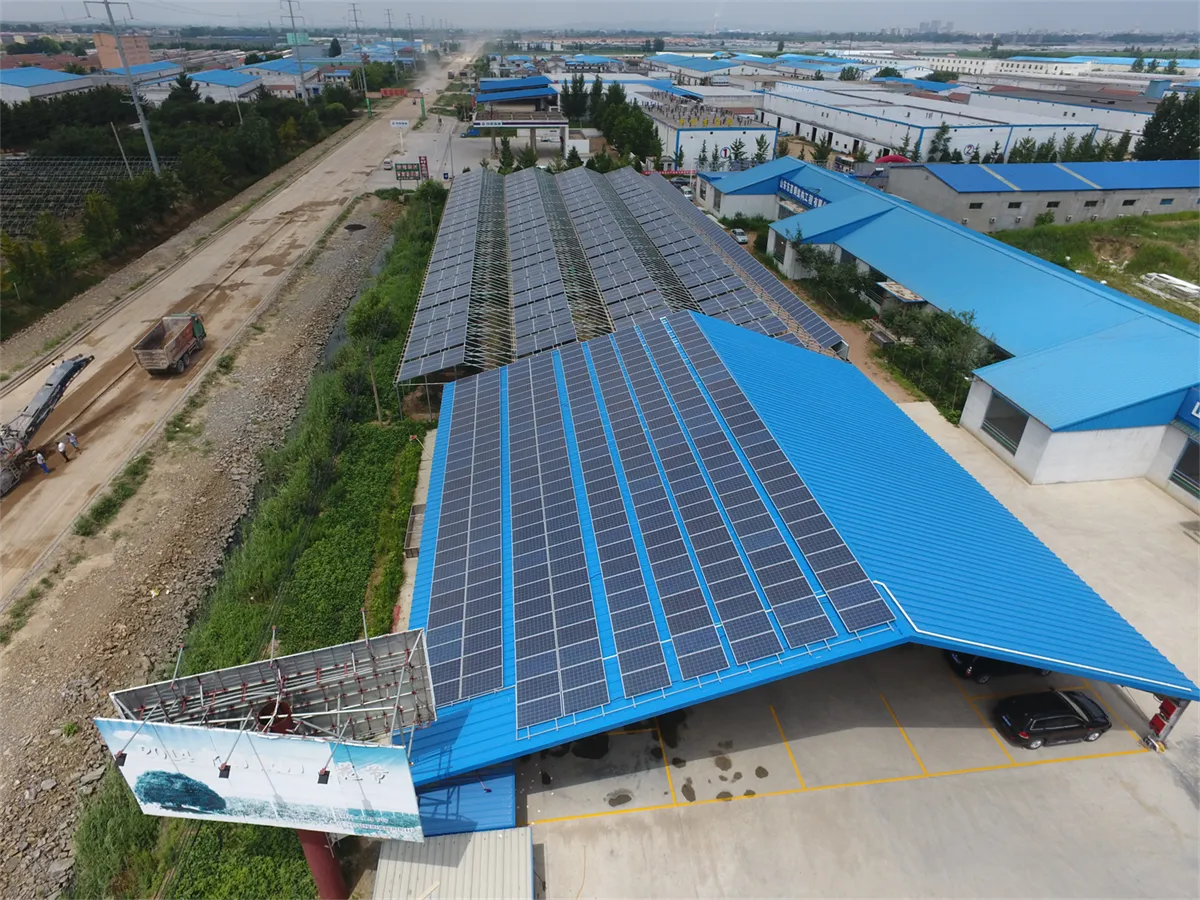
The standards do something subtle but critical – they build bridges between global capital and local opportunity. International financiers can finally benchmark Kazakhstan projects against global best practices. The European Bank for Reconstruction and Development recently greenlit its largest Kazakhstan solar package to date, citing the "standardized regulatory context" as key.
For local partners, this means fewer sleepless nights explaining unfamiliar technologies to nervous investors. As one Almaty-based developer put it: "Now I spend meetings discussing energy yields instead of justifying cable insulation choices. It's liberating."
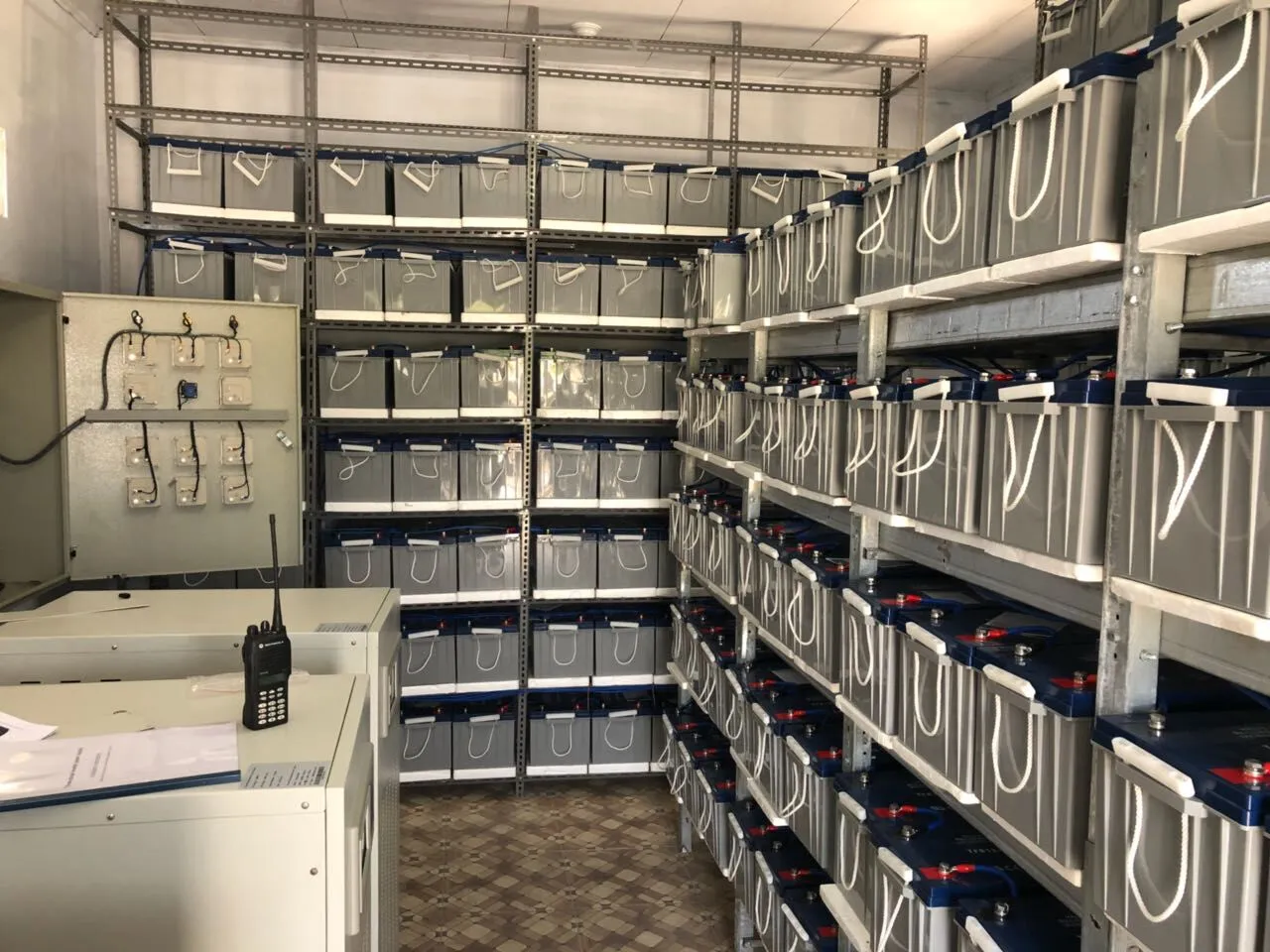
Solar standards don't exist in isolation – they accelerate hydrogen readiness, enhance grid stability, and create specialized service economies. Kazakhstan's focus on hydrogen refueling standards signals strategic foresight. The solar panel suppliers we interviewed consistently highlighted workforce development opportunities – from installers trained to exacting codes to maintenance specialists.
This technical ecosystem creates competitive advantages far beyond energy costs. With standards in place, Kazakhstan positions itself as the renewables hub for Central Asia – a region watching these developments intensely. Neighboring countries already send delegations to study Kazakhstan's approach.
Expect these standards to evolve as technology leaps forward. Industry insiders hint at coming updates covering floating solar installations and extreme weather resilience protocols. Crucially, Kazakhstan continues aligning with international frameworks like IEC standards – creating seamless pathways for technology transfer.
For developers eyeing upcoming auctions, these standards function like cheat codes. They clarify engineering requirements upfront, slash contingency budgets, and compress project timelines. The translation? Lower tariffs and better returns.
Kazakhstan's standards journey is more than bureaucratic box-ticking. It's the foundation for turning vast steppe landscapes into precision-engineered power factories – one optimized cable, perfectly angled panel, and safety-tested connector at a time.
Recommend Products












