

In the ever-evolving world of construction and design, the demand for materials that blend durability, aesthetics, and adaptability has never been higher. Enter MCM flexible cladding stone wall panels—a game-changer that has redefined how architects, builders, and homeowners approach exterior and interior surfaces. As a leading mcm flexible cladding stone wall panel supplier , we've witnessed firsthand how these panels have transformed projects from ordinary to extraordinary. But what exactly makes them stand out? Let's peel back the layers and explore the technical specifications that make MCM panels a top choice for modern architectural façade solutions and beyond.
First things first: MCM stands for "Modified Composite Material," a term that hints at the innovation behind these panels. Unlike traditional stone cladding, which is heavy and rigid, MCM panels are engineered to be lightweight, flexible, and incredibly versatile. They mimic the look and feel of natural stone—think granite, marble, or travertine—while offering performance benefits that traditional materials can't match. Whether you're working on a residential renovation or a large-scale commercial project, these panels have become a go-to for those seeking both style and substance.
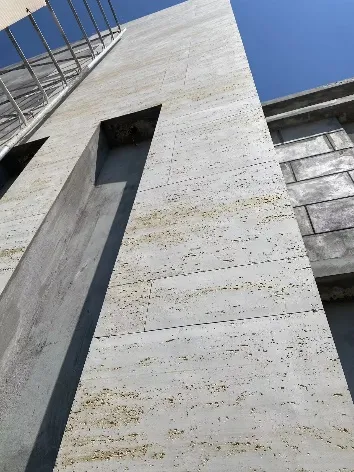
At the heart of MCM panels is a carefully crafted blend of natural and synthetic materials. The core composition typically includes:
The manufacturing process is equally precise. It starts with mixing the stone aggregates and polymer resins into a homogeneous paste. This paste is then pressed onto a fiberglass mesh under high pressure and temperature, a step that ensures density and uniformity. After curing, the panels undergo surface treatment—either embossing to replicate natural stone patterns or applying specialized finishes like matte, polished, or textured. The result? A panel that's thin, lightweight, and surprisingly tough.
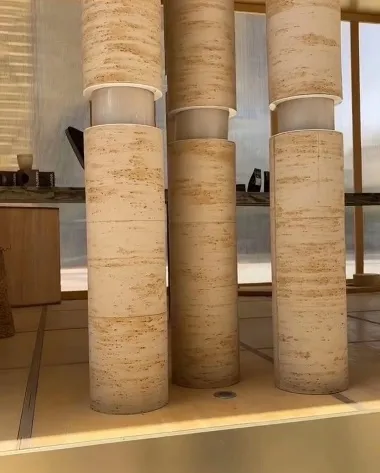
To truly understand MCM panels, we need to look at the hard data. Below is a detailed breakdown of their key technical specifications, based on industry standards and real-world testing. These numbers aren't just impressive on paper—they translate to tangible benefits on the job site and long-term performance for your project.
| Specification | Standard Range | Typical Value (Our Panels) | Test Method |
|---|---|---|---|
| Thickness | 3mm – 8mm | 4mm – 6mm (most common) | ASTM D3740 |
| Standard Size | 1220mm x 2440mm (4'x8') | 1220mm x 2440mm; custom sizes available | ISO 12625-2 |
| Weight per Unit Area | 6kg/m² – 8kg/m² | 7kg/m² | ASTM C1349 |
| Flexural Strength | ≥20MPa | 25MPa | ASTM C1185 |
| Fire Rating | Class A (Non-combustible) | Class A (ASTM E84, flame spread index ≤25) | ASTM E84 / ISO 11925-2 |
| Water Absorption | ≤1% | 0.5% | ASTM C97 |
| Impact Resistance | ≥10J (no cracking) | 15J (passes 1m drop test with 500g weight) | ASTM D4226 |
| Temperature Resistance | -40°C to +80°C | -40°C to +85°C (no warping or delamination) | ISO 10545-12 |
| UV Resistance | ΔE ≤3 (after 2000 hours xenon exposure) | ΔE ≤2 (no color fading) | ASTM G154 |
These specs are more than just numbers—they tell a story of engineering excellence. For example, the 7kg/m² weight means MCM panels are up to 80% lighter than natural stone, reducing structural load and installation time. The Class A fire rating? That's a critical safety feature for commercial buildings, hospitals, and schools. And the 0.5% water absorption? Say goodbye to mold, mildew, or water damage, even in humid climates like Saudi Arabia.
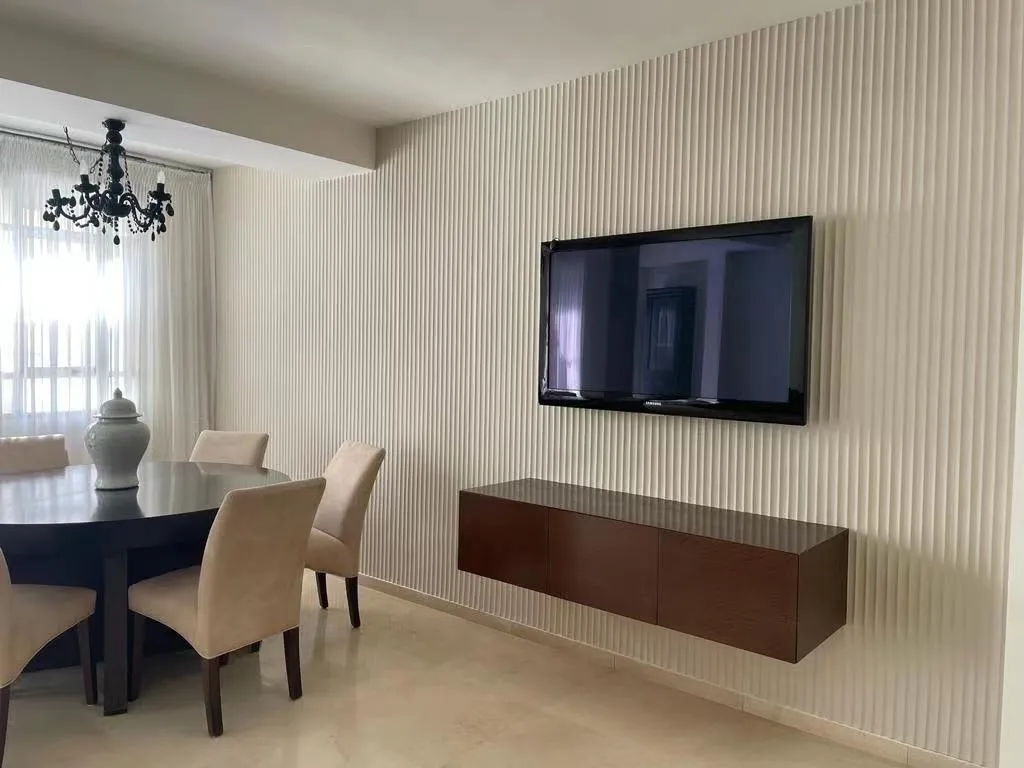
Technical specs are important, but how do these panels perform in real-world conditions? Let's break down their standout features:
The term "flexible cladding" isn't just marketing—it's a core feature. MCM panels can bend up to 30 degrees without cracking, making them ideal for curved surfaces, arches, or uniquely shaped façades. Imagine cladding a circular tower or a (wave-shaped) wall with traditional stone—nearly impossible. With MCM, it's not only possible but surprisingly straightforward. This flexibility opens up a world of design possibilities for architects looking to push boundaries.
Don't let the lightweight nature fool you—MCM panels are tough. The fiberglass mesh reinforcement and polymer resins make them resistant to impact, scratches, and even chemical exposure (think acid rain or industrial pollutants). In fact, most manufacturers back their panels with a 15–20 year warranty against fading, delamination, or structural failure. That's peace of mind for homeowners and developers alike.
Traditional stone cladding requires heavy machinery, skilled stonemasons, and days of installation. MCM panels? They're lightweight enough to be handled by two people, and they install using simple methods like mechanical fixing or adhesive bonding. Most panels come with tongue-and-groove edges for seamless alignment, reducing gaps and ensuring a smooth finish. For contractors, this means faster project turnaround and lower labor costs—a win-win for tight deadlines and budgets.

Even the best materials need proper installation to perform. Here's a quick overview of the key steps our team recommends for installing MCM flexible cladding panels:
Pro tip: Always refer to the mcm flexible cladding stone wall panel solutions installation manual provided by your supplier. Every project is unique, and custom guidance can make all the difference in long-term performance.
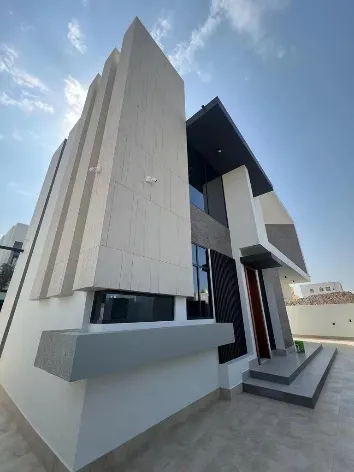
MCM panels aren't limited to one type of project—their versatility makes them suitable for a wide range of applications:
Homeowners love MCM panels for exterior facades, accent walls, or even outdoor kitchens. They add curb appeal without the weight of natural stone, making them ideal for single-family homes, townhouses, or (villas). Plus, their low maintenance means more time enjoying your home and less time cleaning or repairing.
From office buildings to shopping malls, MCM panels are a favorite for commercial architects. Their sleek, uniform appearance creates a professional look, while their durability stands up to heavy foot traffic and harsh weather. As a commercial building materials supplier , we've seen them used in everything from hotel lobbies to retail storefronts—proving their adaptability to high-traffic environments.
Thanks to their Class A fire rating and low water absorption, MCM panels are also suitable for specialized spaces like hospitals, schools, and senior living facilities. They meet strict safety codes while maintaining a clean, hygienic surface that's easy to sanitize—a crucial feature in healthcare settings.
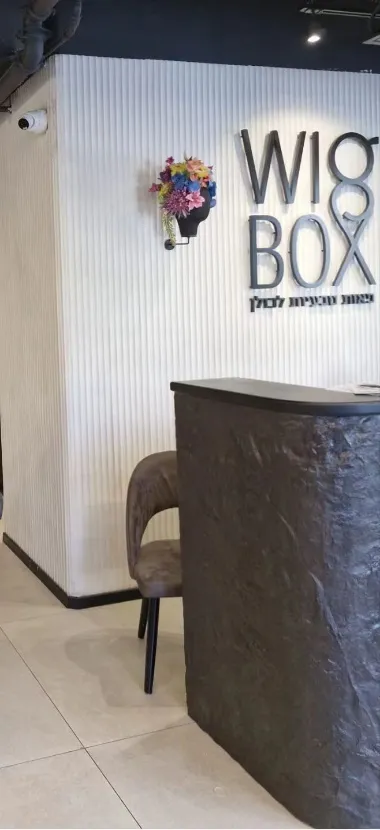
How do MCM panels stack up against traditional options like natural stone, brick, or fiber cement? Let's compare:
In a nutshell, MCM flexible cladding stone wall panels represent the future of building materials—where innovation meets practicality. Their technical specifications, from lightweight design to Class A fire resistance, make them a smart choice for any project. Whether you're a residential building materials supplier working on a home renovation or an architect designing a landmark commercial tower, these panels deliver on both performance and aesthetics.
As a leading supplier, we're proud to offer mcm flexible cladding stone wall panel solutions that don't just meet industry standards—they exceed them. From custom colors and sizes to expert installation support, we're here to help you bring your vision to life. After all, in construction, the right materials don't just build structures—they build legacies.
Recommend Products











