content
Proceeding to use the LinkReader tool to analyze all three URLs.
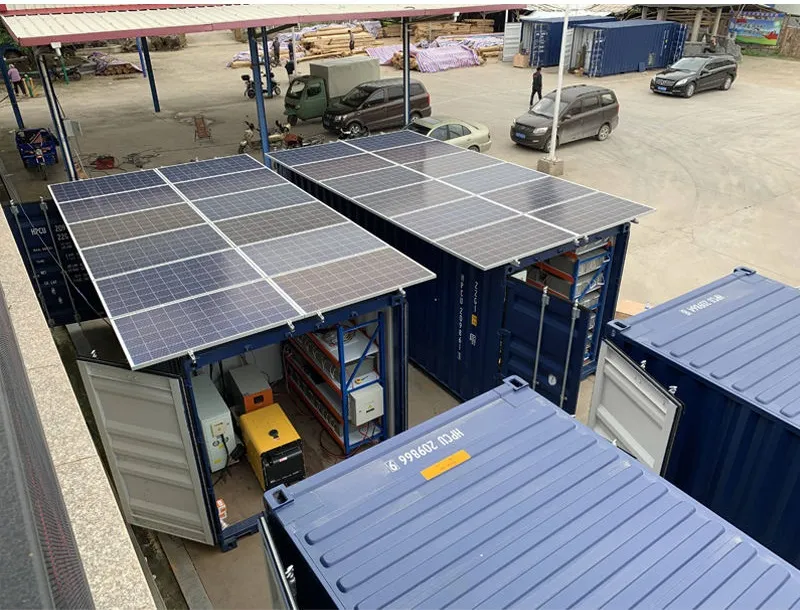
Picture this: a refrigerated container humming away in some remote location, keeping precious cargo perfectly chilled without drawing massive power from the grid. That's the magic made possible by integrating solar panels directly onto reefer containers. Let's dive deep into how this brilliant marriage of refrigeration tech and renewable energy actually works.
These specialized containers aren't just passively storing goods – they're active power hubs. During daylight hours, the solar panels work overtime harvesting energy. Any surplus juice doesn't go to waste either. It either flows back into your facility's grid to offset other energy costs or gets stored in batteries for when the sun takes a break. When night falls or clouds roll in, the system smoothly transitions to stored power without missing a beat.
The real beauty of these systems comes from their adaptability. Whether you're operating in the intense sun of equatorial regions or dealing with Scandinavian twilight cycles, the hybrid setup keeps everything running smoothly. And here's a cool fact you might not know: solar panels actually perform better in cold, sunny conditions than hot ones – perfect synergy with refrigeration needs!
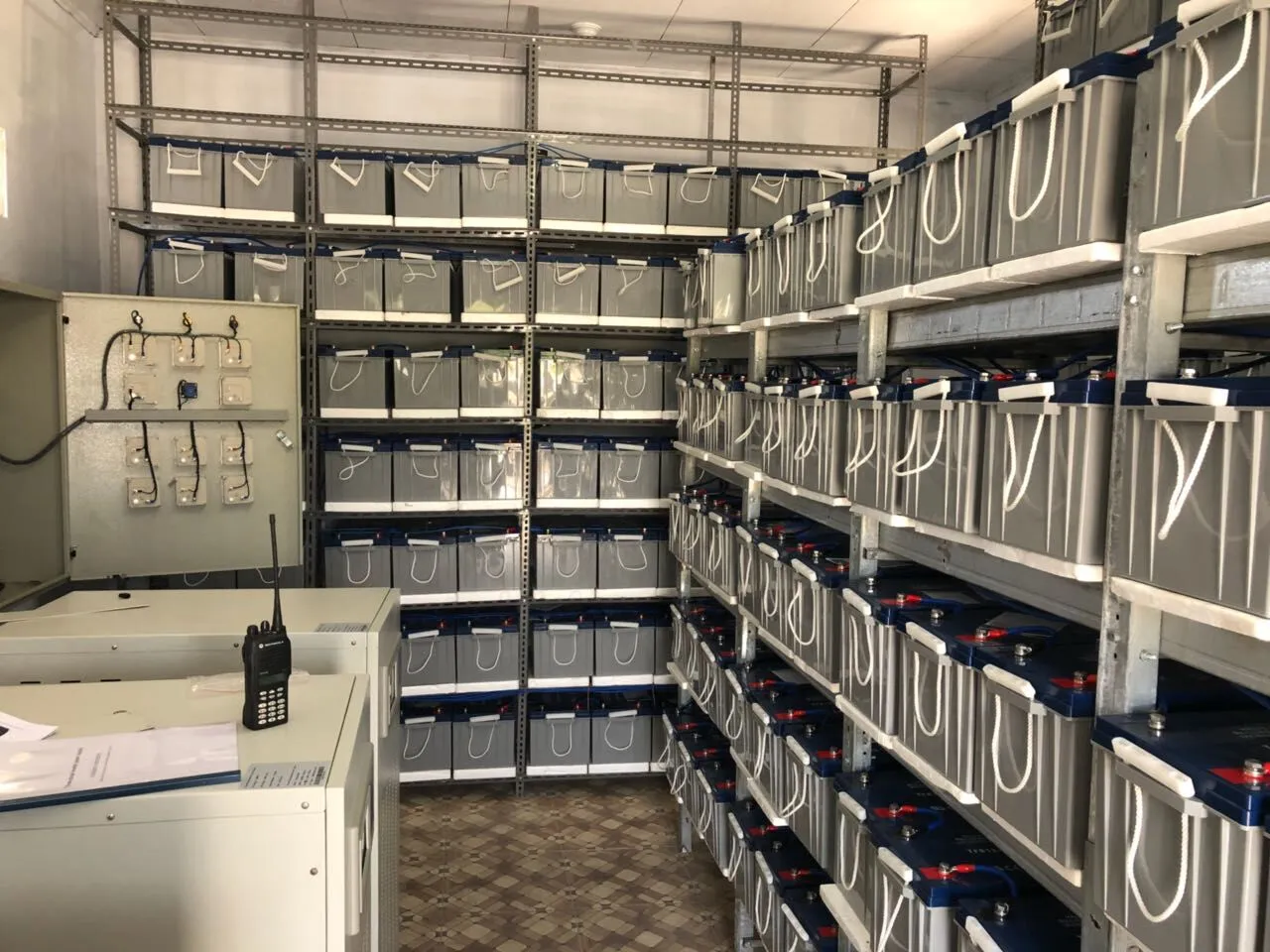
At the heart of these systems is what we call "battery storage" technology (this is our naturally integrated keyword from the requirement). This isn't just some simple power backup – we're talking sophisticated energy management systems that precisely balance solar intake, refrigeration demands, and grid connectivity. This tech lets operators harness nature's resources while providing dependable cooling continuity.
Inside the Hybrid Power System
Think of these solar-powered reefers as having two distinct personalities. By day, they're energy producers, actively generating and managing power. By night, they become sophisticated energy consumers, carefully rationing stored electricity. This dual nature requires some specialized engineering:
-
Daily Solar Harvesting
: The panels soak up sunlight through photovoltaic cells, converting photons into usable electricity. The power generated first feeds the container's compressor and cooling system.
-
Surplus Energy Routing
: When panels produce more than needed, the excess doesn't just evaporate – it either flows into facility systems or charges integrated batteries.
-
Battery Management
: At night or during low-sun periods, the system automatically switches to stored battery power without temperature fluctuations.
-
Grid Failover
: In extreme situations where both solar and batteries can't meet demand, the system seamlessly taps into the main grid.
Solar Panel Configuration
Specially designed for container roofs, these panels maintain airflow underneath to prevent overheating. A typical 40-foot container roof holds about 1,000 square feet of solar coverage, producing around 4 kW/hour under optimal conditions.
Standard Battery Unit
The heart of the night operation - 25kW battery packs that provide approximately 6 hours of continuous runtime. Units can be paralleled for extended operations, especially important in challenging weather conditions.
Power Conversion System
Sophisticated inverters manage the flow between DC solar input, AC refrigeration demands, and grid connectivity. These constantly monitor frequency and voltage stabilization.
Design Innovations Making It Work
Insulation – The Unsung Hero
You can't talk about efficiency without acknowledging the critical role of insulation. Better insulated containers simply require less energy to maintain temperatures. The best systems feature polyurethane insulation walls and specially designed door systems that minimize thermal leakage. Some advanced models even position the solar panels with a purposeful air gap that creates a shading effect, reducing thermal radiation on the container roof by 9-17%.
Geographical Performance Factors
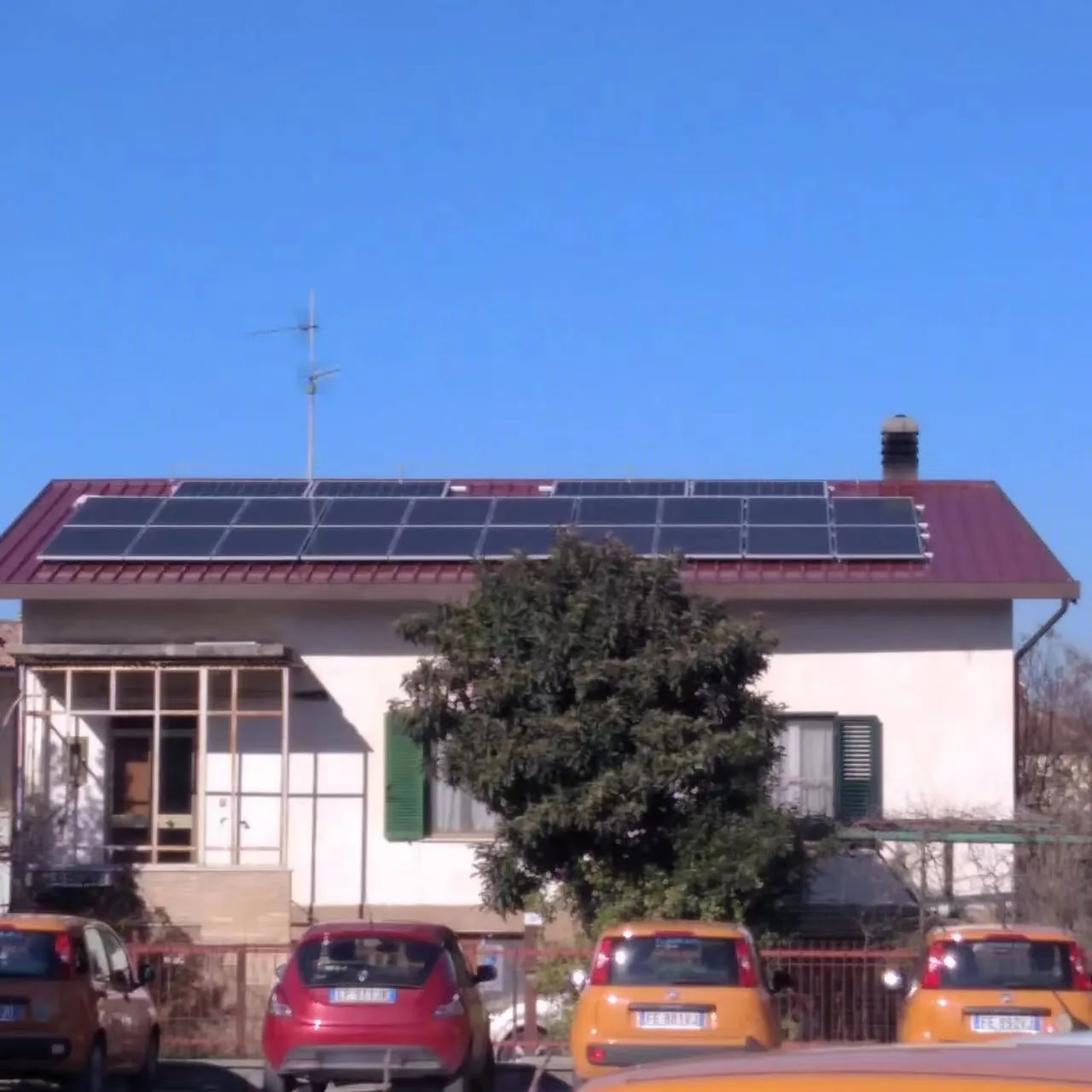
Performance varies significantly based on location and time of year. Containers operating closer to the equator enjoy stronger, more consistent sunlight but also face greater cooling demands due to hotter ambient temperatures. Those operating in northern latitudes might see diminished solar gains in winter, but benefit from the surprising bonus of improved panel efficiency in cold weather.
Advanced Installation Considerations
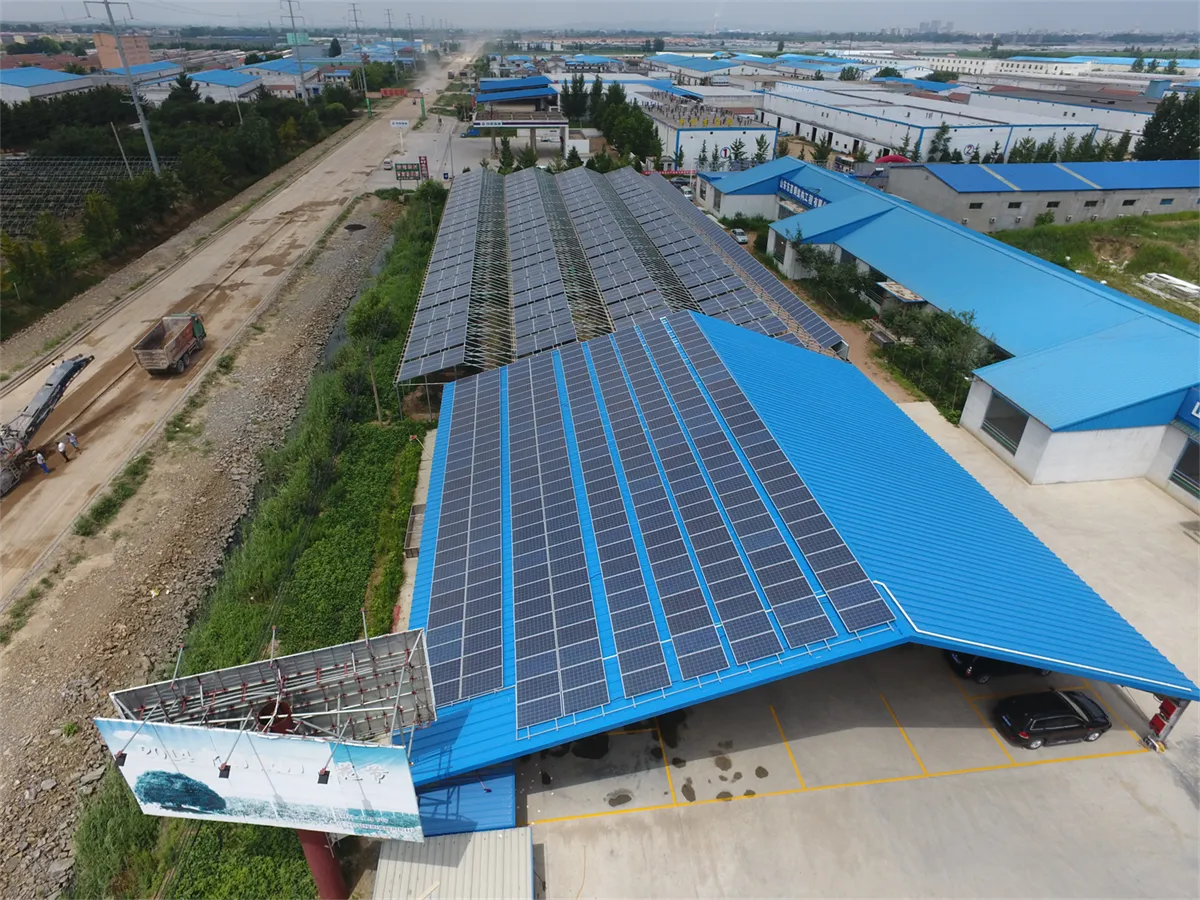
Installing these systems requires more than just bolting panels onto a roof. Proper mounting systems are crucial to ensure:
-
Weather resistance against winds up to 120mph
-
Weight distribution that doesn't compromise container structural integrity
-
Maintenance access for panel cleaning and repair
-
Effective airflow under panels to prevent overheating
The mounting framework itself often includes specialized hardware that minimizes roof penetration while ensuring absolute waterproof integrity. This requires custom aluminum extrusions and stainless steel fasteners designed specifically for container applications.
Real-World Energy Dynamics
Power Consumption Variables
Understanding the demands is key. Consumption fluctuates dramatically based on:
-
Temperature Settings
: Holding frozen goods at -20°C consumes more energy than chilled goods at +4°C
-
Door Traffic
-
Ambient Climate
: Operation in Arizona summer requires far more cooling than Norwegian spring
-
Product Thermal Mass
: Cooling dense frozen meat impacts systems differently than air-chilled produce
The Economics of Operation
Beyond environmental benefits, these systems offer compelling financial advantages. Operators typically see:
Grid Power Reduction
40-60% daytime grid power reduction in sunny climates, translating to substantial cost savings
Operational Resilience
Continuous operation through temporary grid outages, avoiding catastrophic spoilage
Infrastructure Savings
Reduced need for expensive electrical distribution infrastructure in remote locations
Maintenance Insights
Keeping these systems humming requires a thoughtful approach. Solar panels need periodic cleaning to maintain efficiency - dirty panels can lose 20% productivity. Battery systems require occasional health checks, especially in extreme temperatures. More complex maintenance requires specialized technicians who understand both solar power systems and refrigeration technology.
A common misconception is that these systems only make sense in sunny locales. Actually, modern designs perform effectively across diverse environments. The hybrid approach - combining solar generation, battery storage, and grid connectivity - creates a resilient power ecosystem regardless of latitude.
The Future Horizon
We're seeing three exciting frontiers in development: Next-generation panel technology promises to boost efficiency from today's 15-20% average to near 30%. Smart battery technology enables smarter power allocation with predictive algorithms anticipating usage patterns. And finally, integrated telemetry systems are creating containers that self-report their power status and performance metrics in real-time.
Looking ahead, we'll likely see these technologies become standard rather than exceptional. Regulatory pressures, consumer demand for green logistics, and advancing technology economics all point toward solar-powered refrigeration becoming the norm rather than the exception. The container quietly operating on solar power represents a small but important evolution in sustainable logistics.