


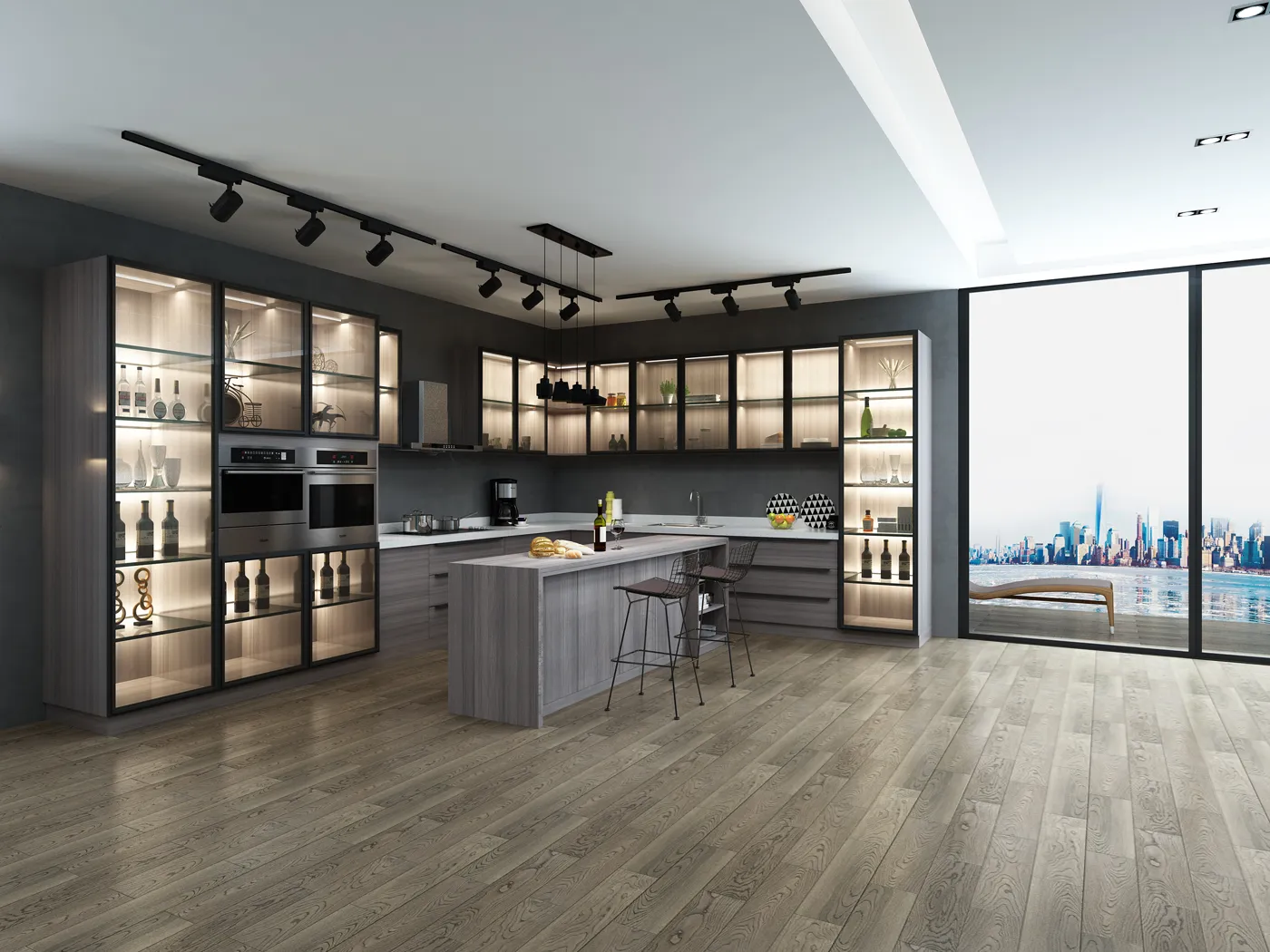
Picture your dream kitchen: seamless surfaces, intelligent storage, and appliances that blend so beautifully they become invisible. That’s what happens when built-in appliances meet custom cabinetry – it’s not just design, it’s culinary harmony. Forget clunky refrigerators jutting into walkways or microwaves hogging precious counter space. This guide turns technical precision into poetry, transforming your kitchen into a space where engineering embraces artistry.
The Language of Integration: Making Technical Talk Feel Human
Let’s clear something up right away: "technical" doesn’t mean cold or robotic. At its heart, it’s about specialized knowledge – that perfect understanding of how things click together, like puzzle pieces designed for your life.
Imagine your kitchen as a dance floor. Appliances and cabinets need to move in sync without stepping on each other's toes. That’s what technical precision delivers: a waltz where form meets function in three-quarter time.
Why This Marriage Matters
Integrated kitchens do more than save space – they save sanity. No more hip-checking the oven door when loading groceries, or playing Tetris with pots and pans. When appliances nestle inside cabinetry like they grew there, you gain:
- 15-20% more functional workspace
- Flow that turns cooking from chore to ceremony
- That "pinch me" factor when guests walk in
Step 1: The Measurement Waltz
Measure twice, install once isn’t just a saying – it’s survival. Your tape measure becomes a magic wand in this phase.
The Golden Rules
Forget eyeballing. Appliances need breathing room like we need air:
- Refrigerators crave 1/4" wiggle room on sides and top
- Ovens demand 1/8" gaps against flammable surfaces
- Dishwashers require seismic gaps to avoid flooding
Remember Sarah? She skipped gap allowances. Her oven ended up fused to her walnut cabinetry during a Thanksgiving roast. Fire departments make terrible dinner guests.
Pro Tip: The Ghost Template
Cut appliance silhouettes from cardboard. Tape them in place. Live with these ghosts for a week. Notice where knees bump imaginary doors or where you stretch for phantom controls. Adjust before cutting real materials.
The Anatomy of Invisible Appliances
Not all appliances play nice with cabinetry. Here’s what truly integrates:
Stealthy Stars
- Column Refrigerators: Like icebergs, 90% hidden behind panels
- Drawer Dishwashers: Hide entirely below countertops
- Downdraft Cooktops: Vanish when not exhaling pasta steam
Beware imposters! "Counter-depth" fridges often mean shallower interiors rather than true integration. Don't be fooled by their slimmer profiles.
Cabinet Whispering 101
Custom cabinetry speaks in dialects. Learn their language:
Material Matters
Heat and moisture transform materials like moods:
- Thermofoil Cabinets: Budget-friendly but melt near ovens
- Plywood Core: Swells less than particle board around dishwashers
- Hardwood Frames: Expand/contract differently than appliances
The solution? Use isolation joints – thin rubber membranes between dissimilar materials. They absorb movement like shock absorbers.
Electrifying Integration
Hidden wires keep magic from looking mechanical:
Power Play Rules
- Ovens need dedicated 240V lines – sharing causes tripping
- Appliance garages require interior outlets
- LED strips under cabinets should tap into dedicated transformers
Ever seen a coffee maker turn into a fire-breathing dragon? That’s 20A plugs mated with 15A circuits. Know the difference.
Ventilation: The Unsung Hero
Great ventilation feels like nothing at all – until it’s missing.
Stealth Venting Tactics
- Undercabinet vents hiding behind crown molding
- Ductwork threaded through cabinet toe-kicks
- Island downdrafts activating with proximity sensors
Remember: CFM requirements aren't suggestions. That 300 CFM hood? It’s calculated for your stove’s maximum BTU output, not what you wish it handled.
The Symphony of Smart Storage
True integration considers what fills cabinets too:
Ergonomic Alchemy
Design for your dominant hand and height. Lefties shouldn't play Twister reaching for skillets. Standard base cabinets (34.5") force 5'2" cooks onto tiptoes while crushing 6'4" backs.
Solution? Split-height bases. Tall drawers for the vertical, lower countertops for the petite. It’s architecture responding to anatomy.
When Good Kitchens Go Bad
Even experts stumble. Learn from their woes:
Horror Stories That Teach
The Case of the Disappearing Drawer: A garbage pull-out installed flush against dishwasher plumbing. Opening drawers triggered impromptu dishwashing.
The Great Heat Warp: Beautiful walnut panels surrounding an oven without thermal breaks. Six months later, the cabinet doors resembled Salvador Dalí paintings.
The Lifespan Factor
Appliances live 10-15 years. Cabinetry should last generations. How to manage mismatched lifespans?
Modular Magic
Design cabinets with "future proof" openings:
- Adjustable interior framing
- Removable filler panels
- Universal depth compartments
Consider an integrated wall panel – the unsung hero that lets appliances disappear while offering thermal protection.
Final Curtain: The Grand Unification
True integration happens not just in measurements, but in how your kitchen feels during midnight snack runs:
- Toe-kick drawers that glide as smoothly as appliance handles
- Handles that echo across appliances and cabinetry
- LED lighting temperature matching oven displays
That moment when friends say "Where's your refrigerator?" – that’s technical perfection feeling personal.










