
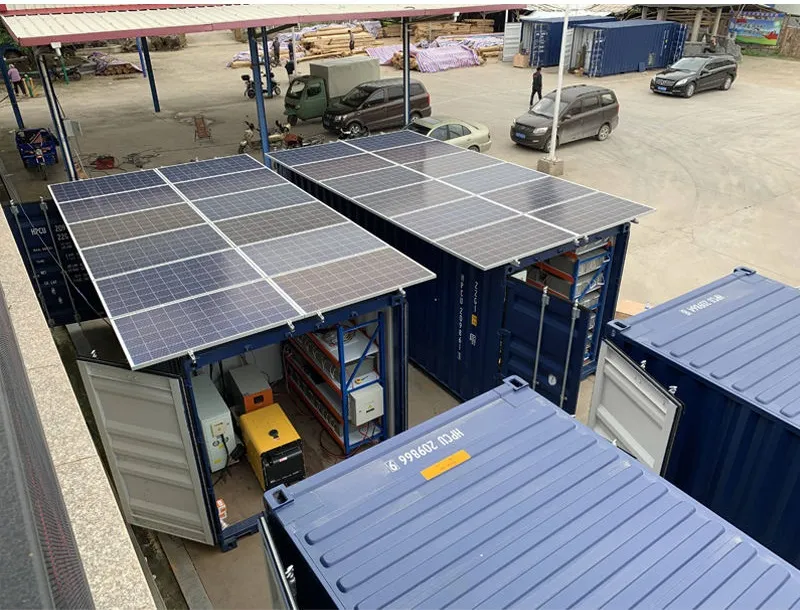
Africa’s sun isn’t just daylight—it’s an economy waiting to be unlocked. Imagine villages disconnected from national grids, where kerosene lamps flicker uncertainly and diesel generators cough pollution into twilight skies. Now picture clean solar energy lighting homes, powering clinics, and driving local businesses. This shift isn’t sci-fi; it’s unfolding across Africa’s off-grid frontiers, fueled by tax-free solar policies. But how do these policies actually work? And where should entrepreneurs and communities focus their efforts? Grab a cup of coffee—we’re mapping the road to an empowered, solar-driven future.
While global headlines chase shiny megaprojects, Africa’s real energy revolution is quieter, faster, and decentralized. Think of it like this: instead of waiting for a centralized water pipe, villages are digging local wells. Over 2.4GW of solar capacity lit up Africa in 2024—mostly from small-scale and off-grid projects that sidestep bureaucratic delays. By 2028, the continent will add 23GW more , doubling today’s capacity. Yet here’s the kicker—this growth still only scratches 5% of Africa’s solar potential.
KENYA
Kenya leads with a no-nonsense approach: Zero VAT on solar panels and batteries. This isn’t charity; it’s smart economics. Mombasa’s port processes 40% fewer diesel shipments today compared to 2023. Why? Because families in Turkana now power fridges with solar—no more two-day trips to buy ice. One agro-processing hub even runs entirely on off-grid solar power systems , cutting energy costs by 60%. Small surprise Kenya added 450MW in off-grid capacity last year.
NIGERIA
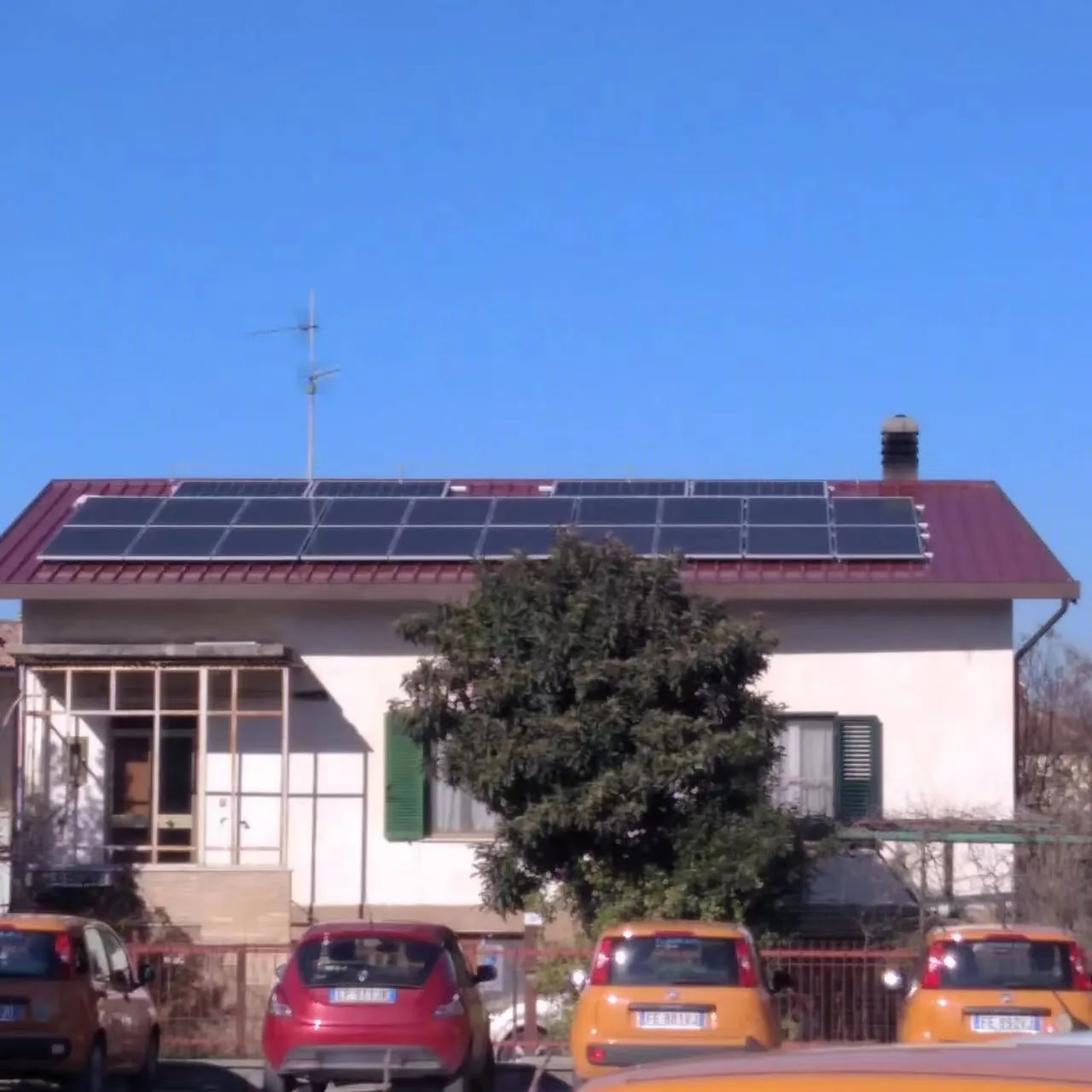
Nigeria waives import duties on solar components—but here’s the twist. To qualify, suppliers must source at least 30% of materials locally by 2027. Lagos’s electronics markets now hum with solar cable assembly lines. One entrepreneur put it bluntly: “Tariff breaks opened the market; local content rules build the ecosystem.” Solar adoption in rural Niger Delta has tripled since 2022, replacing hazardous kerosene lamps.
ETHIOPIA
Ethiopia grants 10-year income tax holidays for off-grid solar companies investing outside Addis Ababa. This triggered a gold rush in towns like Hawassa, where solar-powered irrigation pumps boost yields by 200%. “Before, diesel ate half our profits,” shared a sesame farmer. “Now the sun powers water pumps—and my kids study under LED bulbs.”
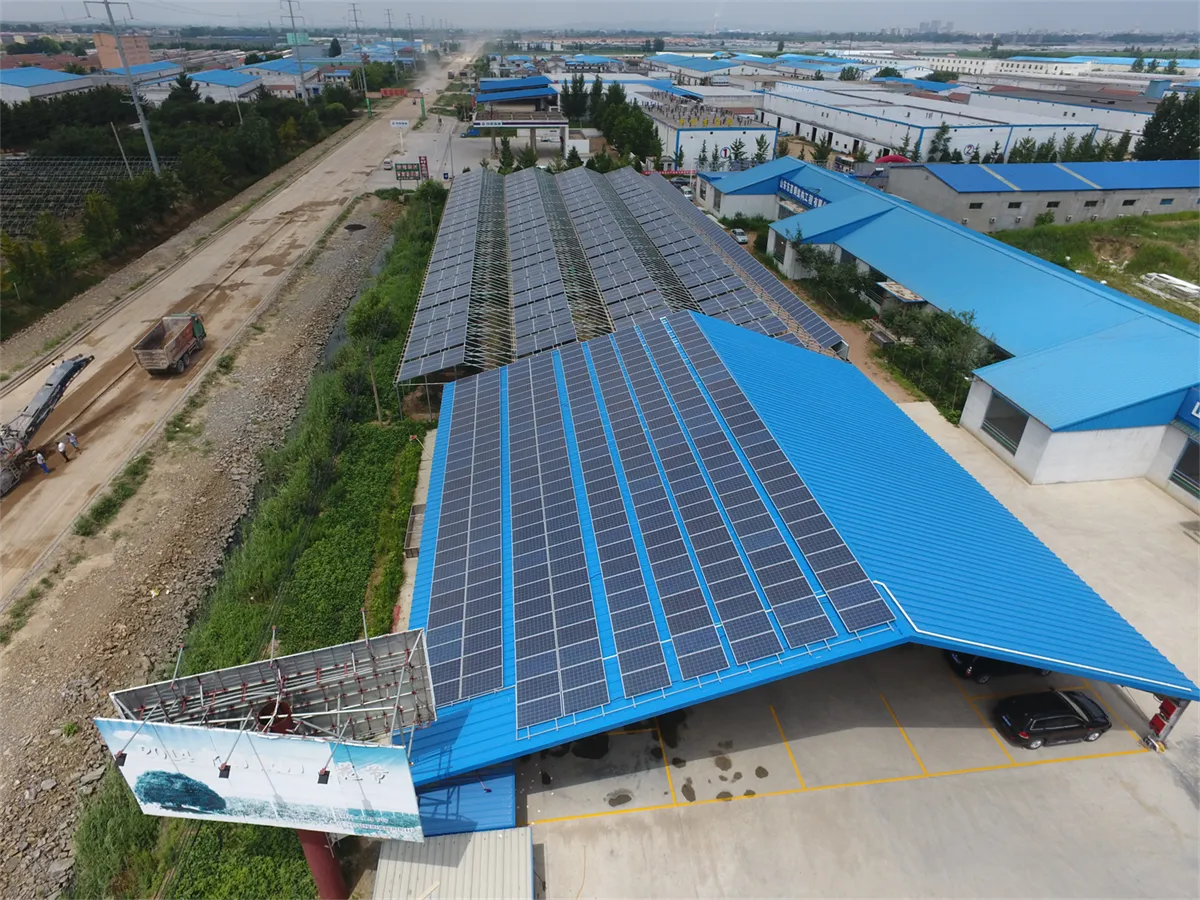
Capital costs for African solar projects remain 3–7x higher than in Europe or the US. Why? Not technology costs—panels are global commodities. The real barriers:
De-risking instruments are emerging, like Senegal’s partial loan guarantees for solar startups targeting rural healthcare clinics.
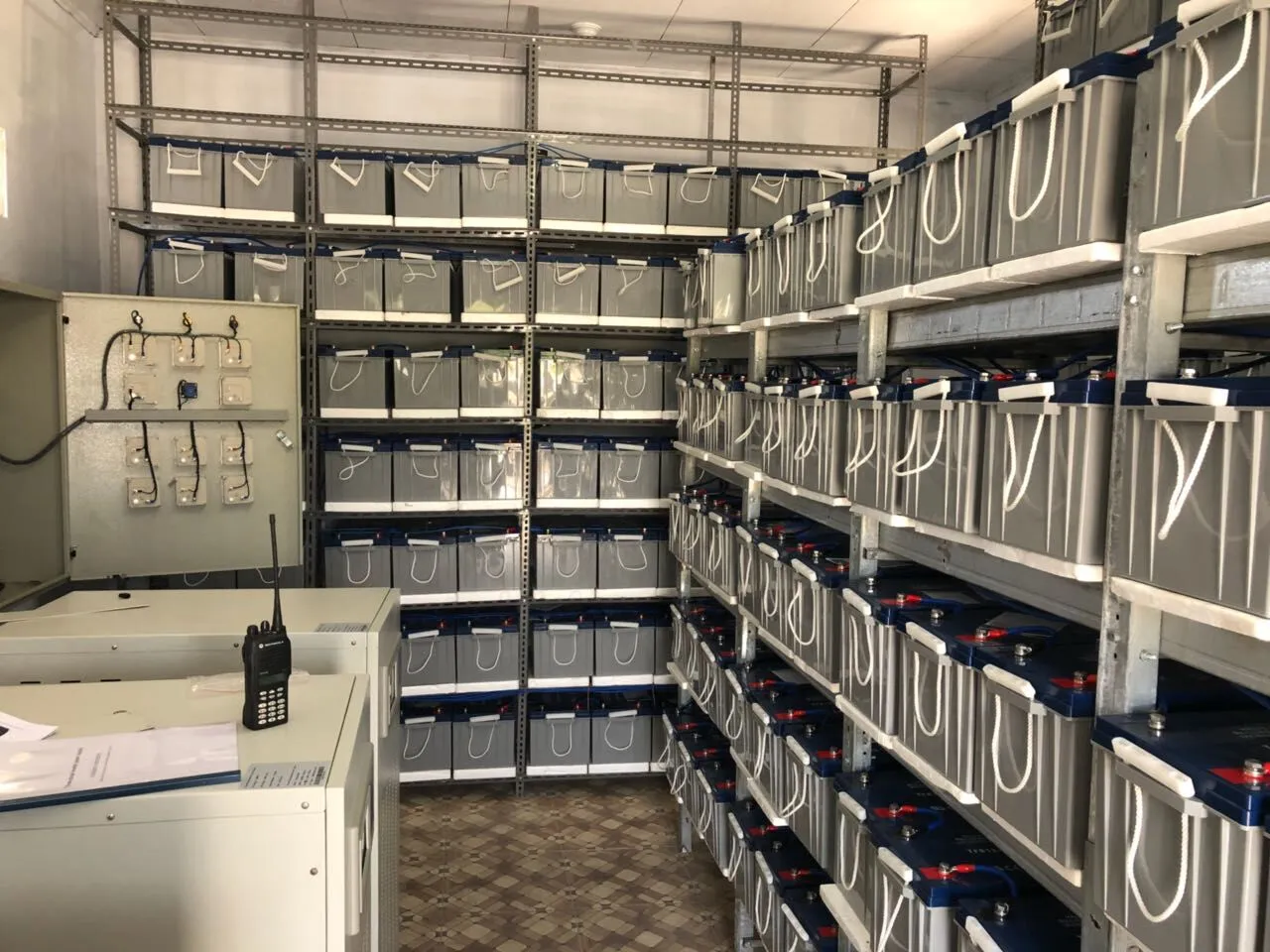
Off-grid solar does more than power phones—it transforms economies. Take Mali: solar pumps allow women to irrigate moringa fields, doubling incomes and cutting water-hauling hours. Or Rwanda, where portable solar kits empower mobile repair shops—mechanics now fix devices roadside under LED lamps after sunset.
Effective solar tax policies share DNA:
Tax exemptions alone won’t suffice—policies must integrate with microloans, training, and grid-adjacency plans.
Emerging markets point to solar’s next act: powering Africa’s green industrialization. Egyptian factories now use solar thermal for textile dyeing, cutting gas use 80%. Meanwhile, hydrogen electrolysis facilities planned in Namibia’s desert will run entirely on solar. The link? Solar isn’t just energy—it’s competitive advantage.
Africa’s solar tax map isn’t about charity—it’s pragmatic economics. Every panel installed saves dollars otherwise lost to diesel or disease-causing smoke. For investors: focus beyond cities. For communities: demand energy justice. For policymakers: cut red tape, not ambition.
Recommend Products












