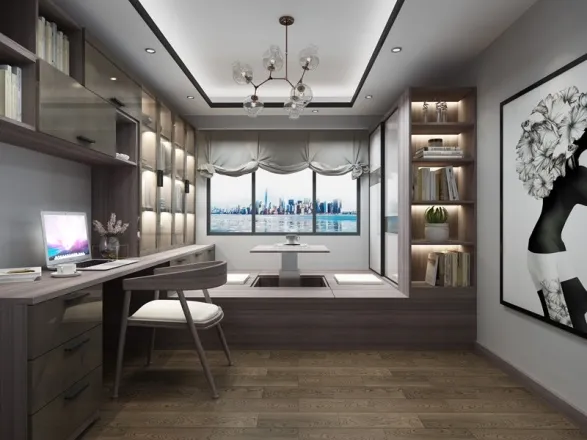
Hey there! If you're exploring flooring options for your home or business, you're probably noticing something interesting happening – traditional Japanese tatami mats are having a major moment in 2025. What was once considered niche is now turning into a global phenomenon. So what's behind this unexpected comeback? It's not just about looks; people are discovering the health benefits and eco-friendly nature of these woven wonders.
You might remember tatami mats as those simple straw rectangles in Japanese homes, but today they're being reinvented for modern spaces. From chic bamboo charcoal cores that purify air to durable non-woven hybrids perfect for busy households, manufacturers are creating innovative versions that fit every lifestyle. Prices vary depending on materials and where you buy them – we'll get into all that in a moment.
The best part? Choosing a bamboo charcoal core tatami does more than just create a beautiful floor. While we walk you through the types and prices, you'll discover how the material choices actually contribute to air purification, subtly enhancing indoor environmental quality without any noticeable change to the eye.
Get this – the global tatami market is projected to reach a staggering $1.53 billion by the end of 2025. How did we get here? Well, it turns out the pandemic really changed how people think about their living spaces. Suddenly, creating peaceful, toxin-free environments at home became a priority. That's where tatami comes in – naturally antimicrobial, temperature-regulating, and incredibly soothing underfoot.
Choosing tatami today isn't just about picking the most traditional option. Manufacturers have completely reinvented what these mats can do. Each type brings something different – whether it's bamboo charcoal's air-cleansing properties or wood fiber's stability. Let's break down the most popular options:
The rockstar of 2025 tatami! Why? Because it actively purifies air while you walk on it. Tiny charcoal particles absorb odors and pollutants – perfect for city apartments or homes with pets. The manufacturing process involves compressing bamboo at extreme temperatures, creating a surprisingly firm yet comfortable surface.
You'll find these mats in wellness spas and premium residential projects where indoor air quality matters. At about $95-$140 per mat , it's an investment that actually cleans your living space as you use it. Maintenance is easy too – just vacuum regularly and flip quarterly.
Here's your best bet for high-traffic areas. The compressed wood pulp creates an incredibly stable base that won't sag over time. These mats withstand everything from toddler playdates to dance studios without showing wear. Manufacturers often use sustainably forested pine or cedar.
The texture feels familiar to hardwood lovers, but with tatami's signature resilience. Expect to pay between $65-$90 per mat – a sweet spot for growing families. Just avoid excessive moisture, and consider sealing the edges in humid climates.
Tech meets tradition in these innovative mats. Recycled polyester fibers get compressed into surprisingly comfortable platforms. The secret is the air pockets created during manufacturing – they offer both cushioning and insulation. Perfect for basements or rooms above garages.
At just $45-$65 per mat , these are the budget-friendly darlings of 2025. Great for renters too since they're lightweight and easy to relocate. New antimicrobial treatments have eliminated earlier mold concerns, making them safe for most environments.
The original MVP! Still beloved for its authentic feel and that distinctive rustling sound underfoot. Modern harvesting techniques mean tighter weaves that last longer than traditional versions. Ideal for meditation rooms or traditional interiors where authenticity matters.
Prices range from $70-$110 per mat based on quality. Requires extra care – rotate weekly, avoid direct sunlight, and maintain 40-60% humidity. The scent of fresh straw provides an unbeatable sensory experience worth the effort for purists.
| Type | Price Per Mat | Best For | Maintenance Level |
|---|---|---|---|
| Bamboo Charcoal Core | $95-$140 | Wellness spaces, polluted areas | Low |
| Wood Fiber Core | $65-$90 | High-traffic homes, families | Medium |
| Non-Woven Core | $45-$65 | Budget projects, rental properties | Low |
| Traditional Straw Core | $70-$110 | Authentic designs, sensory rooms | High |
What's fascinating about the 2025 tatami boom is how differently regions are using it. North American buyers are installing them in unusual places like home theaters and yoga studios. Europeans are exploring modular tatami in co-working spaces. Meanwhile, Asia is reinventing medical applications with specialty antimicrobial versions.
| Region | Market Share | Top Application | Average Price Premium |
|---|---|---|---|
| North America | 27.89% | Premium residential | 22% over Asian prices |
| Asia Pacific | 34.83% | Medical facilities & traditional homes | Benchmark pricing |
| Europe | 23.75% | Eco-retreats & commercial spaces | 18% over Asian prices |
| Middle East | 3.6% | Luxury hotel spas | 31% over Asian prices |
The Wellness Revolution: Physical therapy centers love tatami's natural shock absorption. Joint-friendly surfaces reduce recovery time for patients transitioning from surgery.
Eco-Commercial Spaces: Boutique coworking companies like "ZenDesk" build entire offices on interconnected tatami platforms. Employees report decreased fatigue and better focus.
Entertainment Venues: Upscale bowling alleys install non-woven tatami around lanes – spill-proof and comfortable for spectators. Noise reduction properties let conversations flow.
Future Stadium Design: Pilot programs in Japan use specialized ventilation mats under soccer fields. The system regulates turf temperature while cushioning impact.
Industry experts predict even more exciting developments as we approach 2030. The projected market leap to $2.67 billion indicates serious growth potential. Here's what to watch for:
Pilot programs at Tokyo University embed micro-sensors that track gait patterns and weight distribution. This "health monitoring flooring" could transform elder care facilities.
Leading brands now offer end-of-life recycling. Return worn tatami mats for 15% credit on new purchases. The materials get reprocessed into building insulation.
Experimental blends with mycelium create self-healing surfaces. NASA tests versions for lunar habitats due to radiation-blocking properties. Who knew traditional mats would become space-age?
The real value story? The bamboo charcoal core tatami continues gaining devotees as more people grasp that beyond its functional properties, it uniquely captures CO2 and pollutants over its lifespan. Manufacturers quietly engineer thicker bamboo layers specifically to enhance this environmental benefit.
As we wrap up this deep dive into 2025's tatami landscape, remember it's not just about choosing a floor – it's selecting an environmental system for your space. That bamboo charcoal mat you walk on? It's working silently to improve your air quality. The wood fiber core in your game room? Actively regulating humidity.
Prices vary based on type and region, but the value proposition is undeniable. Consider your lifestyle – busy households need durable wood fiber cores. Allergy sufferers benefit most from bamboo charcoal. Renters and temporary spaces do well with budget non-woven. Purists will always love traditional straw despite maintenance.
The biggest lesson? This ancient floor covering has found urgent relevance in modern times. More than just following an interior trend, investing in quality tatami is a step toward healthier living environments as we understand more about indoor air quality and sustainable materials.
Recommend Products