
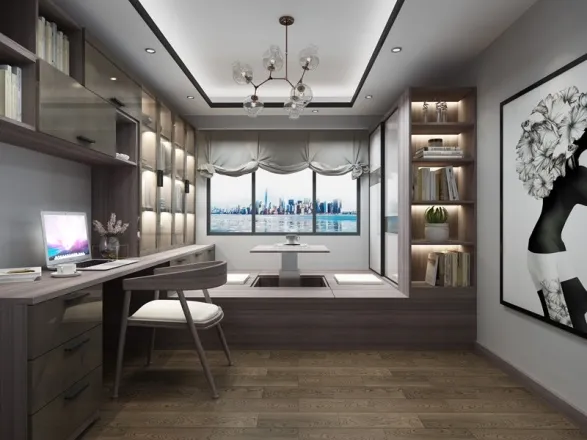
Ever walked into a Japanese room and felt an instant sense of calm? That's the magic of tatami mats. These traditional woven wonders aren't just floor coverings – they're cultural symbols that shape entire living spaces. But what happens when you bring modern furniture like lift-tables into the picture? Buckle up as we dive deep into creating harmonious spaces where ancient tradition meets contemporary comfort.
Tatami mats trace their roots back over 1,300 years to Japan's Nara period. Originally reserved for aristocracy, these mats evolved from thin foldable layers to the iconic thick platforms we recognize today. Picture this: compressed rice straw cores wrapped in fragrant rush grass, all framed by elegant cloth borders. That distinctive earthy scent? That's pure igusa grass doing its aromatherapy thing!
⚡️ Did you know? Edo-period samurai slept on tatami while commoners used straw mats – talk about a status symbol!
Here's where things get spicy: tatami sizes vary like regional dialects across Japan. Why? Because historical measurement systems differed between feudal territories:
| Region | Style Name | Dimensions |
|---|---|---|
| Kyoto | Kyōma (京間) | 0.95m × 1.91m |
| Tokyo | Edoma (江戸間) | 0.88m × 1.76m |
| Nagoya | Chūkyōma (中京間) | 0.91m × 1.82m |
This regional variation matters BIG TIME when planning rooms. Why? Because traditional architecture uses tatami as measurement units – a 6-mat room means exactly what it sounds like!
Japanese interior design has strict rules about tatami layout to avoid "unlucky" configurations. The golden rule? Never let four corners meet at a point. Traditional installers always arranged mats in T-shape patterns like puzzle pieces, believing crossed joints invited bad mojo.
Practical tip: When incorporating lift-tables, treat them like islands in your tatami sea. The ideal placement is either:
Finding the perfect lift-table for your tatami space is like matchmaking:
Small spaces (4.5 mats): Compact, low-profile tables around 60cm wide
Medium rooms (6-8 mats): Expandable tables up to 120cm – perfect for family dining
Large areas (10+ mats): Sectional or modular lift systems creating flexible zones
Always leave 30-45cm clearance around tables for comfortable walking without stepping on seams where mats meet.
Guess what? Tatami manufacturing has entered the 21st century with exciting innovations:
Lightweight tatami rolls make rotating furniture a breeze – simply fold and shift!
Modern cores blend traditional rice straw with eco-friendly wood fibers for moisture resistance. Some manufacturers even create custom furniture options designed specifically for tatami compatibility.
Igusa grass naturally regulates humidity and absorbs toxins – basically your floor becomes an air purifier!
When pairing with lift-tables, prioritize models with:
Tatami requires TLC for longevity:
Every 3-6 months, expose mats to indirect sunlight for 2-3 hours. This prevents mold and refreshes the grass fragrance.
Use a dry microfiber cloth for daily dusting. For spills? Blot – don't rub! – with slightly damp cloth and immediately air-dry.
Rotate mats seasonally to distribute wear patterns from furniture legs.
Pro hack: Place felt pads under all lift-table legs to prevent imprinting on your tatami!
Mixing tradition and innovation requires sensitivity. When tatami and lift-tables coexist in harmony, you get functional poetry:
Breathable living: Tatami regulates room temperature while lift-tables provide accessibility
Timeless flexibility: Both systems adapt to daily life transitions
Healthy posture: Switching between seated tatami positions and standing lift-table work prevents stiffness
Remember: good design listens to culture. By respecting tatami's historical dimensions while embracing modern flexibility, you create spaces that feed both body and soul.
Recommend Products












