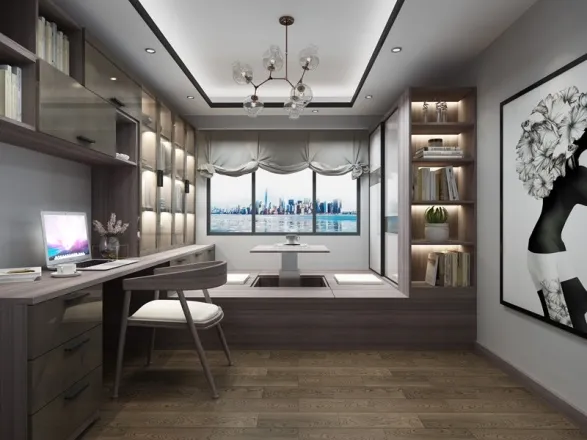
Stepping into a traditional Japanese room is like entering a sanctuary - the earthy scent, soft texture underfoot, and natural warmth all whisper of centuries-old traditions. At the heart of this experience is the humble tatami mat. More than just flooring, these mats are a physical expression of Japanese aesthetics and philosophy.
Whether you're designing a meditation space, renovating your home, or simply fascinated by Japanese culture, understanding tatami unlocks secrets of spatial harmony. Forget cold, impersonal flooring; this is where nature and human craftsmanship dance together.
Tatami isn't something you just install - it's something you experience. For over 1,300 years, these mats have shaped how Japanese people live, sit, sleep, and interact with their spaces. Originally reserved for nobility during the Nara period, they gradually became central to everyday life during the Edo era. The number of tatami mats in one's home even signified social status!
What makes tatami special? It begins with igusa (rush grass) - a remarkable plant grown primarily in Japan's Kumamoto Prefecture. When woven into the mat's surface, igusa releases phytoncides - natural compounds also found in forests that reduce stress and create that distinctive, calming scent. It's no wonder tatami rooms feel like natural sanctuaries!
Every tatami mat contains three essential components working in harmony:
This is the visible layer - the woven igusa rush that greets your feet. Quality depends on grass age, strand count, and origin. Japanese-grown igusa lasts longer but costs more than Chinese alternatives.
Hidden beneath the surface, this structural base affects cushioning, insulation, and durability:
- Traditional Rice Straw : Natural humidity control but prone to mold
- Straw-Polystyrene Hybrid : Lighter weight with traditional feel
- Synthetic Core
The decorative cloth border that frames the mat. These come in countless patterns and colors that subtly influence a room's atmosphere.
The classic form featuring elegant cloth borders. Perfect for authentic tea rooms and traditional spaces where every detail matters. The decorative beri cloth adds formality and visual rhythm.
Traditionally, border patterns indicated room hierarchy - simpler designs for everyday spaces, elaborate brocades for receiving guests.
Sleek and minimalist, these modern mats ditch the border for seamless continuity. Ideal for contemporary homes blending Japanese and Western styles.
Custom-shaped mats designed specifically for tokonoma alcoves where art scrolls or flower arrangements are displayed. Typically darker to highlight displayed objects.
Instead of rush grass, these use traditional Japanese paper (washi) for incredible durability and color variety. Less prone to fading and staining compared to traditional igusa.
Perfect for renters! These modular units sit atop existing flooring without installation. Just unroll for instant Japanese ambiance, roll up when moving.
Originating from Kyoto, these slightly longer mats (191×95.5cm) create elegant, elongated room proportions characteristic of ancient imperial capital aesthetics.
Tokyo's contribution (176×88cm) reflects Edo-period practicality. Their compact size maximized space in bustling city dwellings.
Nagoya's regional variation (182×91cm) splits the difference between Kyoma and Edoma styles.
Extra-thick Kyoto luxury mats favored for high-end establishments. The plush depth feels decadent underfoot.
Sustainable innovations using recycled materials or rapidly renewable grasses. Modern solutions for environmentally conscious homeowners.
Reversible mats with traditional rush on one side and durable modern material on the other. Flips to suit mood or occasion.
Integrated bed frames wrapped in tatami. Brings floor-sleeping traditions to contemporary bedrooms with ergonomic support.
Non-traditional hues like indigo, moss green, or terracotta created with natural dyes. For designers craving subtle pops of color.
Weaves incorporating raised geometric or nature-inspired patterns. Adds tactile dimension to the traditional flat surface.
Salvaged from traditional homes, these carry authentic patina and history. Each imperfection tells a story of generations lived.
Choosing tatami isn't just picking flooring - it's curating an atmosphere. Here's how to match mats to your life:
For climate harmony : Straw-core tatami breathes beautifully in temperate zones, while polystyrene hybrids resist humidity in tropical areas.
Foot traffic wisdom : Busy households should prioritize durable washi tatami or reinforced synthetic cores.
Designer trick : Using border tatami (Heri-tsuki) along room edges with borderless (Ryukyu) in the center visually expands small spaces.
Measuring space? Beware! Regional sizing differences matter:
- Standard room = 6-8 tatami mats
- Tea room = Exactly 4.5 mats
Always have a professional measure - the spiritual dimensions are as important as physical ones.
Caring for tatami preserves its soul:
Sunlight Ritual : Rotate mats yearly so they age evenly from golden-green to warm amber. This color evolution is cherished, not a flaw!
Clearing Energy : Regularly sprinkle dry rice bran, then sweep - traditional cleansing that lifts dust without damaging rush fibers.
Breathing Room : Allow airflow underneath through proper installation. A tatami "floor bed" or platform protects while enabling ventilation.
True story: When Kyoto's temples replace tatami, the old mats aren't discarded. They're respectfully returned to fields as fertilizer - completing the natural cycle.
Modern tatami shatters stereotypes:
- Cafés in Tokyo pair espresso machines with tatami seating nooks
- Design studios use tatami panels as acoustic walls in offices
- "Tatami Edge" furniture integrates mat borders into contemporary designs
Global designers love tatami's sustainable credentials and biophilic benefits. As we increasingly crave calm in our homes, tatami's sensory harmony resonates deeply. When considering tatami mats , remember you're embracing a living tradition that evolves while honoring its past.
Choosing tatami is about listening - to your space, your needs, your connection to craftsmanship. Whether it's a single meditation corner or an entire room, tatami transforms spaces through texture, scent, and cultural resonance.
Tatami doesn't shout; it whispers. It invites you to slow down, remove your shoes literally and metaphorically, and experience home through centuries of Japanese wisdom. That indescribable serenity underfoot? That's not just flooring - that's heritage in every woven strand.
Whether you're creating a tea ceremony space, a minimalist bedroom, or just a cozy reading nook, there's a tatami type waiting to connect your modern life to timeless tranquility.
Recommend Products