
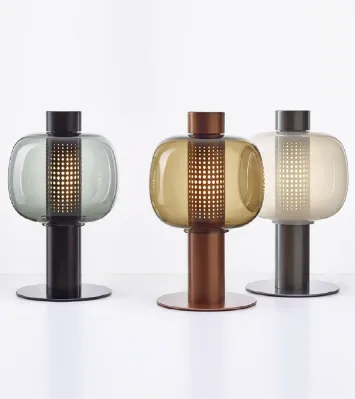
You know how sometimes you're sitting at your desk, trying to focus on work, and the overhead light just feels too harsh? Or maybe you're curled up on the sofa with a good book, wishing the room had a cozier vibe? That's where smart LED table lamps come in. These little wonders aren't just another gadget—they're game-changers for making your spaces feel more inviting, efficient, and personalized. In this article, we'll dive deep into why smart LED lighting is a must-have for your home or office, how to pick the best one, and what makes them stand out in the world of modern illumination. Whether you're a tech newbie or a smart-home enthusiast, I'll walk you through everything in plain English, so it's super easy to grasp.
First off, let's talk about why LED lights have taken over. Unlike those old incandescent bulbs that guzzle energy and burn out fast, LEDs are energy-efficient, long-lasting, and super versatile. They can change colors, dim to the perfect level, and even sync with your daily routine through apps. Imagine walking into your office in the morning, and your lamp automatically adjusts to a bright, cool white to kickstart your focus. Then, come evening at home, it shifts to a warm, golden hue for relaxation. That's the kind of smart convenience we all crave, and it's all thanks to innovations from companies like China lighting manufacturers, who are cranking out affordable, high-quality options for global markets. Plus, they tie into the bigger picture of sustainable living—something we'll explore more with keywords like green and environmentally friendly building materials.
But it's not just about saving a few bucks on electricity. Smart LED lamps bring a touch of elegance to any room. Picture this: You've got a sleek lamp on your desk, casting a gentle glow that highlights your decor without overpowering the space. Or in the family room, it complements a wall art decoration piece, drawing the eye and creating visual interest. That's the magic of these devices—they blend form and function seamlessly. And in a corporate setting, good lighting isn't a luxury; it's essential for productivity. Studies show that proper illumination can reduce eye strain and boost mood, making it a key part of commercial lighting strategies. So whether you're at home binge-watching your favorite show or in the office tackling deadlines, a smart lamp can make the experience better.
Wait, but what exactly makes a table lamp "smart"? It's all about connectivity and control. Most modern ones connect via Wi-Fi or Bluetooth, so you can tweak settings from your phone, tablet, or even voice assistants like Alexa or Google Home. You can set schedules—say, turning on automatically at sunset—or group lamps together for a unified scene. And with LED technology, the color range is massive: from cool blues for concentration to warm ambers for unwinding. Plus, they often come with features like adjustable brightness and motion sensors. It's like having a personal lighting assistant that learns your habits and adapts to your needs. No wonder they're so popular in both homes and offices.
Now, let's get into some specifics. In residential spaces, these lamps aren't just functional; they become part of your home's identity. Think about that indoor environmentally friendly decoration board you might have—maybe it's made from recycled materials or bamboo fibers. Pairing it with a smart lamp that uses sustainable LEDs reinforces an eco-conscious vibe. I remember a friend who redid her living room with all green products; adding a lamp with low-energy components made the whole space feel more harmonious and earth-friendly. And in bedrooms or kids' rooms, dimmable LEDs can help wind down at night, promoting better sleep. It's a small change with big impact, all while cutting down on waste from disposable bulbs.
If you're like me, spending hours at a desk, lighting becomes crucial. Harsh fluorescents can lead to headaches, but a smart table lamp gives you control. You can adjust it to avoid glare on your screen, or set it to a neutral white for tasks like reading documents. In bigger offices, this complements broader commercial lighting plans—where overhead fixtures cover the space, and personal lamps add targeted light. From Saudi Arabia lighting suppliers to local retailers, businesses are embracing this hybrid approach to make workplaces more comfortable and efficient. I've seen offices where each desk has its own LED light, reducing the need for energy-draining ceiling panels. It's a win for both employees and the company's bottom line.
| Feature | For Home Use | For Office Use |
|---|---|---|
| Color Temperature Range | Warm (2700-3000K) to Cool (5000-6500K) | Neutral (4000-5000K) for focus |
| Energy Efficiency | Uses 75% less energy than incandescents | Reduces overall office power consumption |
| Smart Controls | App, voice commands, schedules | Integration with productivity apps |
| Environmental Impact | Made with green materials; recyclable | Supports LEED certification goals |
| Customization | Adjustable for ambience and decor | Can be synced with other commercial lighting |
Choosing the right lamp depends on where you'll use it. For home offices, I recommend one with wide dimming options—maybe even a touch-control base. Look for brands that source sustainable parts, like those from green and environmentally friendly building materials supply chains. In corporate setups, durability is key; go for sturdy models that handle daily wear. And always check the lumens (light output): 400-800 is ideal for task lighting. A quick tip: Pair it with wall art decoration to enhance the space—think of how a lamp's glow can highlight textures and colors on a nearby canvas or display. That's a trick designers swear by.
Pro tip: If you're eco-minded, opt for lamps with certifications like Energy Star. They might cost a bit more upfront, but they'll save you cash and carbon in the long run—something worth chatting about with any supplier.
Beyond functionality, let's talk trends. The market for smart lighting is booming, driven by innovations in LED tech. China lighting manufacturers, for instance, are producing lamps that integrate with other smart home devices, creating ecosystems where your lamp responds to your thermostat or security system. In regions like Saudi Arabia, distributors are pushing these as part of modern commercial lighting upgrades. I was at a trade show last year and saw how lamps are becoming centerpieces, not just utilities. With features like customizable scenes and energy monitoring, they're reshaping how we think about illumination. And as building codes tighten on energy use, choosing devices made from eco-materials becomes essential. That's where indoor environmentally friendly decoration boards come in—they're part of a holistic approach to greener living.
Now, installation is a breeze. Most smart lamps just plug in and connect via an app—no electrician needed. For homes, place them on nightstands or side tables for reading or mood setting. In offices, position them to reduce screen glare. And if you're worried about waste, many companies offer recyclable components. I've found that pairing them with minimalist wall art decoration elevates the aesthetic without clutter. Just remember, the key to a great setup is balance: Don't overpower the room; let the light complement the environment.
| Common Issue | Solution with Smart LED Lamps |
|---|---|
| Eye Strain from Glare | Adjustable brightness and direction |
| High Energy Bills | Low-wattage LEDs with efficient tech |
| Unappealing Ambiance | Color-changing options for different moods |
| Environmental Concerns | Lamps using recycled or sustainable materials |
| Lack of Personalization | App-based controls for custom settings |
Looking ahead, the future's bright for smart LED lamps. We're seeing more integration with AI, where lamps learn your habits and suggest adjustments. Plus, advancements in green materials mean less environmental impact—imagine lamps made from biodegradable composites that still look sleek. In offices, they'll become staples in commercial lighting plans, helping businesses meet sustainability targets. And on a personal level, they just make life better. Whether you're jazzing up your living room or optimizing your workspace, a smart lamp is a small investment with big returns. So go ahead, give your home or office an upgrade; you won't regret it.
To wrap up, embracing smart LED table lamps is all about enhancing your space. They're not just lighting; they're lifestyle enhancers that blend seamlessly with elements like wall art decoration or eco-boards. From energy savings to customizable experiences, they prove that good lighting can transform any environment. So next time you're shopping, keep this in mind: A smart lamp isn't a purchase; it's a step toward a brighter, smarter future.
Honestly, after switching to a smart lamp, I can't imagine going back. The flexibility alone—being able to shift from work mode to chill time with a tap—is priceless. And knowing it ties into a greener world through sustainable materials? That's the cherry on top. So why wait? Dive into the world of smart lighting and see how it revolutionizes your everyday spaces. You'll thank me later.
Recommend Products












