
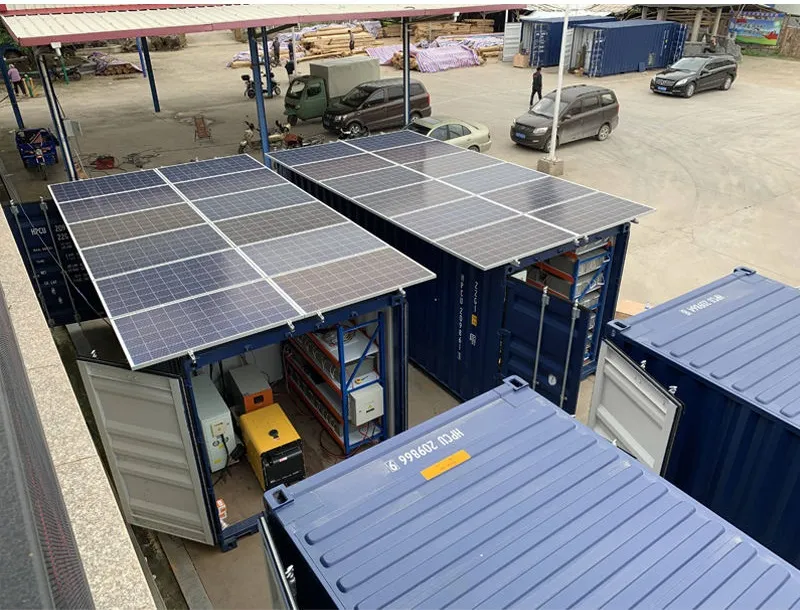
Let's cut to the chase: solar panels are undergoing a dramatic transformation. And at the heart of this energy evolution is the great sizing debate—182mm vs 210mm wafers. It's not just about a few millimeters; it's about how these formats reshape installation possibilities, balance performance with practicality, and ultimately determine whether solar solutions feel like custom home glove or ill-fitting hand-me-downs.
Today, we're diving into the real-world puzzle: how do these panel formats adapt to different environments and system requirements? We'll skip the marketing fluff and focus on what installers face on rooftops and developers encounter in large-scale projects.
The solar industry has been quietly shifting toward bigger panels—almost like how smartphones grew into mini-tablets. But here's the catch: larger formats bring unique advantages and complications. When 210mm modules first appeared, they offered exciting possibilities: higher wattage per panel and potentially lower hardware costs. But installers quickly noticed practical hurdles—increased panel weight, complex handling issues, and those awkward rooftop moments where everything just didn't fit.
Meanwhile, the 182mm format entered the scene like a thoughtful compromise—large enough to deliver strong performance while sidestepping the bulkiness concerns. Companies betting on this size made a solid case: these panels could slide comfortably into existing racking systems and handling processes without dramatic equipment overhauls. But trade-offs still exist, especially when you're trying to squeeze every drop of productivity from limited rooftop spaces.
Whether you're designing residential rooftop systems or utility-scale farms, understanding the real-world adaptability differences between these formats becomes critical. This isn't just technical hair-splitting; it affects everything from installation logistics to long-term reliability.
Think of 182mm panels as the reliable SUV of solar solutions—they navigate diverse terrain while delivering strong performance without requiring specialized garages or mechanics. Designers created them specifically to maximize compatibility with existing infrastructures.
Physical Adaptability: With panel sizes hovering around 2.25m x 1.13m, they feel familiar to installers trained on earlier models. Roof crews can typically handle them manually without extra equipment—especially important on residential projects where crane costs would break budgets. Racking systems designed five years ago often accommodate these panels with minimal adjustments.
Electrical Flexibility: These panels tend to have lower operating currents (around 13A) compared to their larger counterparts. For existing inverters and wiring, that's like getting an upgrade without replacing your entire electrical panel. When retrofitting older commercial sites, this compatibility avoids expensive infrastructure upgrades that kill project economics.
210mm panels represent the cutting edge in raw power density—think luxury performance car with all-new requirements. The 2.38m x 1.09m dimensions require fresh thinking about installation approaches.
Space Optimization Magic: Where space constraints define project viability—like crowded commercial roofs or land-constrained community solar installations—these panels generate significantly more power per square meter. This often makes projects pencil out when they otherwise wouldn't. One California installer shared how switching to 210mm panels transformed a challenging warehouse project: "Suddenly we met 95% of their energy needs instead of 80% without acquiring adjacent land."
Handling Realities: There's no sugarcoating the installation learning curve. Crews need special lifting equipment or modified handling procedures. New racking systems become necessary—and not just minor tweaks. Wind load calculations require careful re-evaluation. But developers planning multi-megawatt projects often accept these trade-offs for the substantial per-watt savings.
The numbers that quietly determine system success have little to do with panel dimensions. That's right—the critical factors are operational voltage and current behavior . Here's why they matter:
210mm panels typically operate at lower voltages around 38V compared to 182mm panels at nearly 50V. At first glance, that seems minor—until you consider that lower voltage allows significantly longer string lengths before hitting inverter voltage limits.
Meanwhile, the operational current climbs to about 17.2A for 210mm panels. That creates conductor sizing implications. Installers in cold climates shared anecdotes where existing conduit couldn't accommodate thicker wires needed to handle the increased current without derating or conduit upgrades.
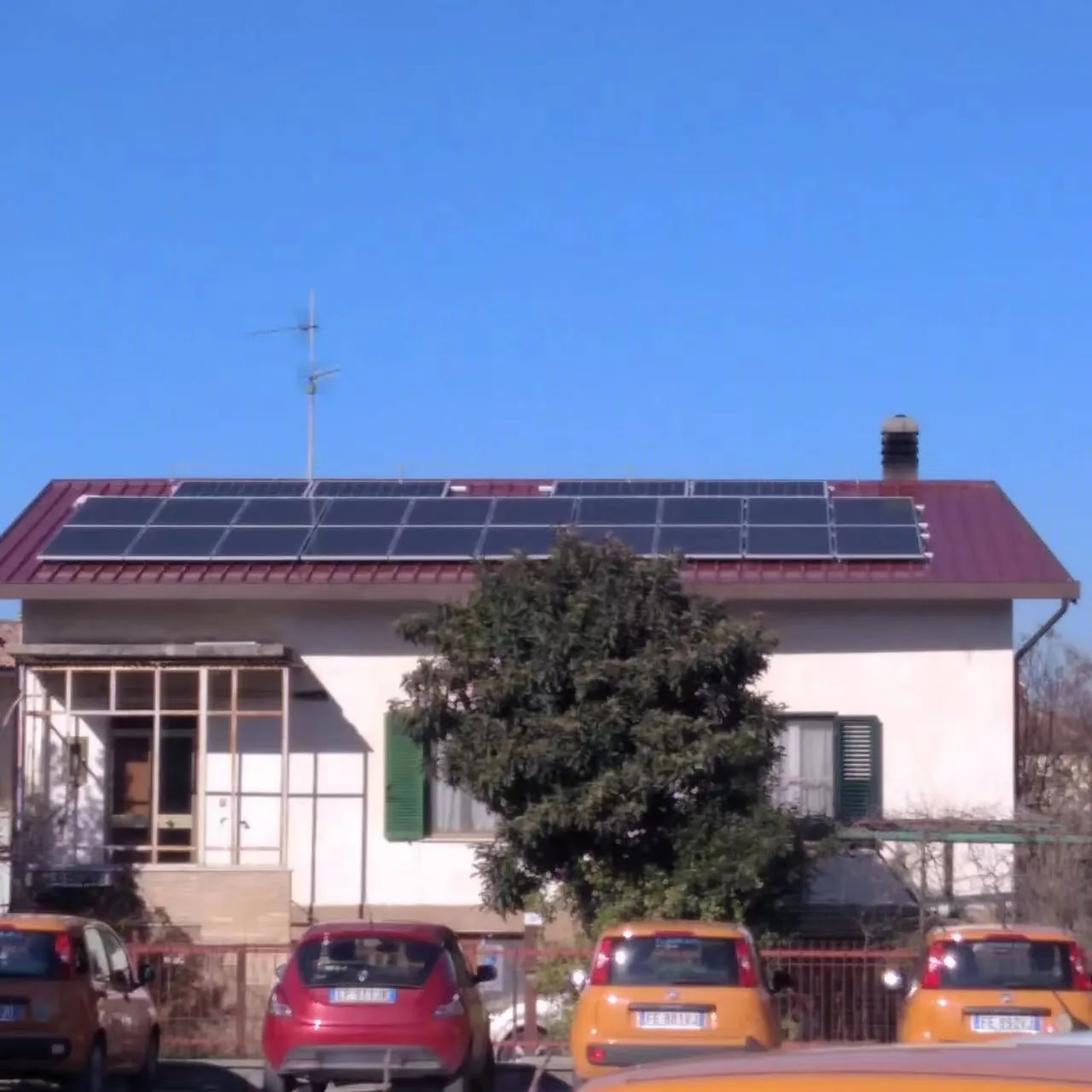
A 5MW community solar farm planned near Minneapolis faced extreme cold adaptability tests. Sub-zero Minnesota winters dramatically increase panel voltages—sometimes beyond inverter tolerance if strings aren't designed carefully.
Using the low-voltage characteristics of 210mm panels, designers stretched strings to impressive lengths—cutting combiner box requirements nearly 40% and significantly reducing balance-of-system costs. When temperatures plunged to -30°F during commissioning, voltage stayed safely within thresholds without painful string reconfiguration.
The outcome? Lower installation costs met operational reliability despite brutal conditions. This temperature adaptability factor becomes crucial for cold climate installations.
Three separate school retrofits in Los Angeles faced challenging constraints: limited roof access points and stringent weight limits on older structures.
Despite the power advantage of 210mm panels, the installation challenges proved overwhelming. Crews couldn't get crane access without costly lane closures during school hours. Panel weight triggered structural reinforcement requirements at two locations.
The solution came through system adaptability with 182mm panels—slightly lower efficiency per panel but fewer installation complications. By selecting these panels, the district avoided structural reinforcements, kept installation windows during summer breaks, and maintained the project timeline.
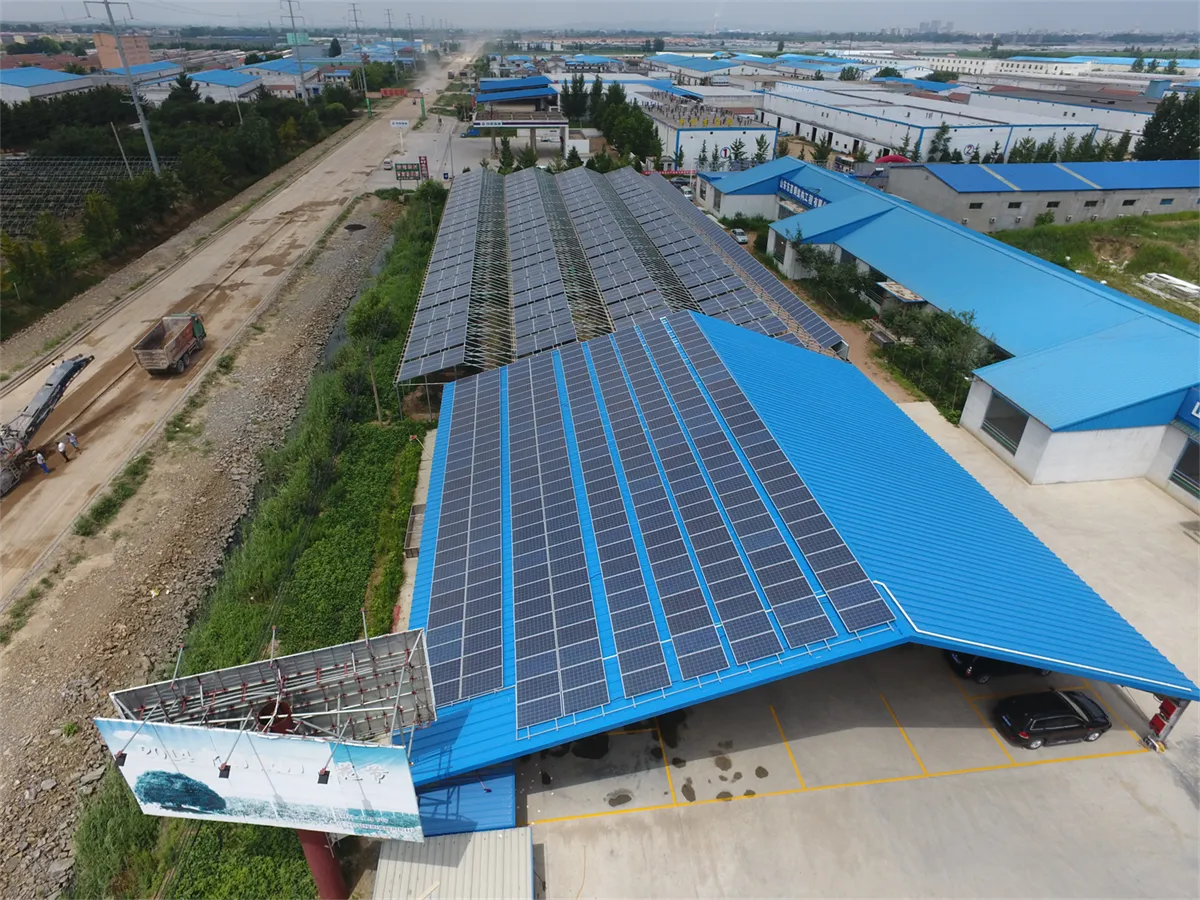
Solar panels don't work in isolation—they dance with inverters in a carefully choreographed electrical relationship. When panel voltage swings or current ramps, inverters determine whether performance soars or sputters. Here's what field technicians shared:
182mm Panels + Existing Inverters: Most older commercial inverters were designed when 13-14A current was the industry norm. Upgrading sites with these panels often means plug-and-play compatibility. Several maintenance managers mentioned this as decisive for retrofit projects: "We just dropped them in without touching the inverters or recomissioning the whole system."
210mm Panels + Next-Gen Inverters: To unlock these panels' full potential, you need specialized inverters that can handle up to 20A currents. While modern models accommodate this, it introduces procurement complexity. However, this investment becomes justified in high-irradiation areas where panels consistently operate near peak output.
This inverter-panel relationship creates adaptation ripple effects throughout system design. It's not just about component costs—it affects reliability, installation timelines, and upgrade paths for existing solar investments.
The solar industry isn't standing still—tracker manufacturers, inverter companies, and racking engineers are evolving solutions to enhance panel adaptability.
Tracker Innovations: Companies now offer specialized trackers designed specifically for larger 210mm panels. These don't just accommodate increased weight—they optimize row spacing to maximize ground coverage ratio. Early projects using these tailored systems show 6-9% production gains compared to retrofitted solutions.
Robotic Installation: Pilot projects in Texas and Germany are testing robotic panel handlers that make larger formats more accessible. These machines handle positioning and attachment of 210mm panels without human lifting—potentially resolving the key installation barrier for residential adoption.
When navigating the panel selection journey, keep these practical questions in mind:
What physical constraints define your site? Residential rooftops with tricky access often tilt toward 182mm, while large open fields embrace 210mm power density.
What's your temperature reality? Projects in consistently cold environments benefit from the voltage adaptability of 210mm designs.
What existing infrastructure exists? Retrofits lean toward 182mm compatibility, while greenfield installations optimize for 210mm with custom tracking and inverter solutions.
Finding the best solar panel solutions means balancing these adaptability factors against energy needs and financial models. Ultimately, there's no universal winner—only the best solution for specific projects. The industry's ongoing innovations will continue refining how both formats integrate with energy systems.
The future of solar adaptability lies in customized solutions rather than one-size-fits-all approaches. Manufacturers now offer variations within each format: frameless designs that reduce wind load impacts, flexible options for irregular surfaces, and specialized coatings that maintain productivity in sandy or dusty environments.
Ultimately, both 182mm and 210mm panels will maintain their place in solar portfolios based on specific project needs. The adaptability conversation extends beyond physical dimensions into system integration intelligence, software compatibility, and ongoing serviceability.
The solar solutions industry continues maturing past raw wattage wars into holistic ecosystem design—where every component collaborates smoothly. This evolution promises more elegant and reliable solar integration for all types of projects.
Recommend Products












