

In an era where the phrase "build green or build twice" has moved from a catchy slogan to a critical mandate, the construction industry stands at a crossroads. As cities expand, and the demand for new residential and commercial spaces surges, the environmental cost of traditional building materials—deforestation, carbon emissions, and non-biodegradable waste—has become impossible to ignore. Enter the rise of sustainable alternatives, where innovation meets responsibility. Among the pioneers in this space is Coloria, a leading wpc wall panel supplier and interior decoration materials expert, redefining what it means to build with both purpose and planet in mind.
For decades, builders and homeowners alike have grappled with a trade-off: choose materials that are durable and affordable, or opt for those that are eco-friendly but often costly or less resilient. Coloria's mission? To eliminate that trade-off entirely. Specializing in wpc wall panel solutions , the company has spent over a decade perfecting wood-plastic composite (WPC) technology, creating products that marry the warmth of wood, the strength of plastic, and the sustainability of recycled materials. But their commitment doesn't stop at selling panels—it's about reshaping an entire industry's approach to carbon-neutral building, one wall, one project, one community at a time.
Before diving into Coloria's innovations, it's worth asking: Why does sustainable building matter now more than ever? The numbers tell a stark story. According to the United Nations Environment Programme (UNEP), the construction sector accounts for 38% of global carbon emissions, with building materials alone contributing a significant chunk of that footprint. Traditional options like solid wood (linked to deforestation) or PVC (a petroleum-based product with toxic manufacturing byproducts) have long been the default, but their long-term costs—both environmental and financial—are unsustainable.
This is where WPC panels step in. Short for wood-plastic composite, WPC is a blend of recycled wood fibers (from sawdust, wood chips, or agricultural waste) and recycled plastic (from bottles, packaging, and other post-consumer materials), bound together with eco-friendly adhesives. The result? A material that's as strong as hardwood, as weather-resistant as plastic, and as kind to the planet as any green building solution on the market. And as a wpc wall panel supplier , Coloria has taken this technology a step further, engineering panels that don't just "check the sustainable box" but excel in performance, aesthetics, and versatility—proving that green building can be both responsible and beautiful.
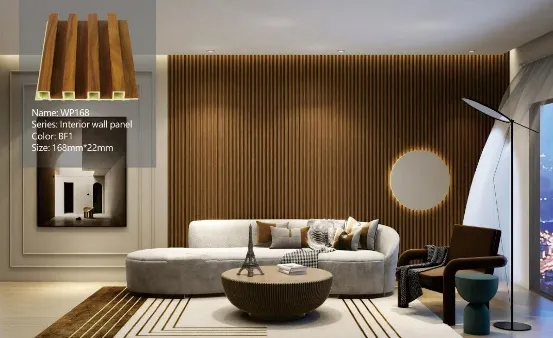
At the heart of Coloria's success is their unwavering focus on quality—both in materials and manufacturing. Unlike some interior decoration materials that cut corners to lower costs, Coloria's WPC wall panels are crafted using a rigorous, multi-step process designed to maximize sustainability without compromising on durability.
First, the raw materials. Coloria sources 100% recycled wood fibers from FSC-certified sawmills, ensuring no new deforestation is involved. The plastic component comes from post-consumer waste, diverting tons of plastic from landfills each year—plastic that would otherwise take centuries to decompose. These materials are then cleaned, shredded, and mixed with a proprietary blend of natural binders and additives (free from harmful chemicals like formaldehyde) to enhance strength and resistance to moisture, pests, and UV rays.
The manufacturing process itself is a lesson in eco-efficiency. Coloria's factories run on 60% renewable energy (solar and wind), and their extrusion technology minimizes energy consumption by 30% compared to traditional plastic panel production. Even the water used in cooling and cleaning is recycled, with a closed-loop system that reduces water waste by 95%. The result? Panels that are not only sustainable by design but also manufactured with a carbon footprint that's a fraction of that of PVC or solid wood alternatives.
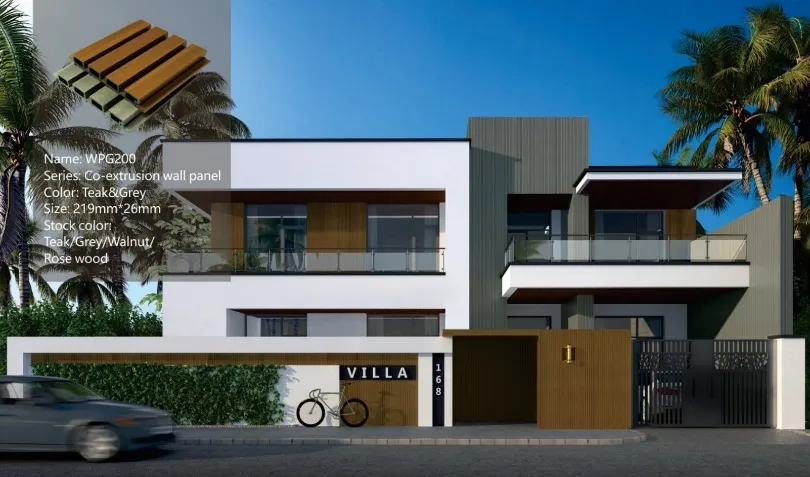
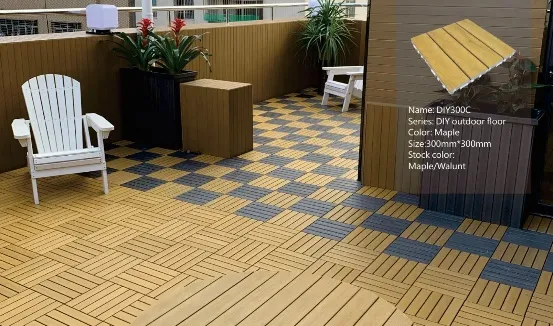
While Coloria is widely recognized for their interior decoration materials , their WPC panels shine equally bright as exterior decoration materials . This versatility is a game-changer for builders and architects seeking a cohesive, sustainable design language across a project. Imagine a residential complex where the same material adorns the living room walls, the exterior facade, and even the outdoor patio—no need to switch between products, no compromise on aesthetics or performance.
For interior use, Coloria's WPC panels offer warmth and texture that rivals natural wood, with the added benefits of being stain-resistant and easy to clean. They're a favorite in high-traffic areas like hotels, offices, and restaurants, where spills and scuffs are inevitable. Homeowners love them too—whether used as accent walls in living rooms, wainscoting in bedrooms, or even as custom cabinetry in kitchens. The panels come in a range of finishes, from rich oak and maple to modern gray and white, ensuring they complement any design style, from rustic to minimalist.
Externally, Coloria's WPC panels are a revelation. Traditional exterior cladding materials like brick or concrete are heavy, energy-intensive to produce, and prone to cracking over time. In contrast, WPC panels are lightweight, making installation faster and reducing structural load on buildings. They're also naturally resistant to rot, mold, and insect infestations—common issues with wood siding—and their UV-stabilized formula prevents fading, even in harsh sunlight. For coastal areas, where saltwater corrosion is a concern, or humid climates, where moisture warps wood, WPC panels stand strong, requiring minimal maintenance beyond an occasional rinse with water.
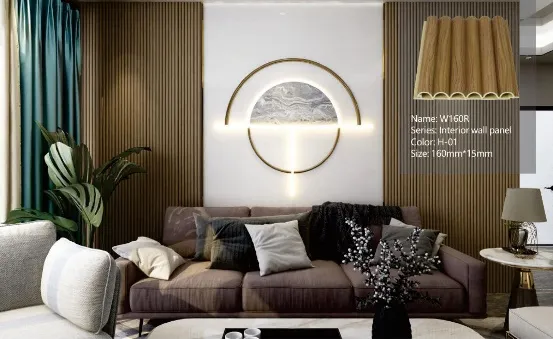
To truly appreciate the impact of Coloria's WPC panels, it helps to see them side-by-side with traditional building materials. Below is a comparison of key features, highlighting why more builders are making the switch to sustainable wpc wall panel solutions .
| Feature | Traditional Solid Wood | PVC Wall Panels | Coloria WPC Wall Panels |
|---|---|---|---|
| Sustainability | Requires deforestation; slow regrowth. | Petroleum-based; non-biodegradable. | 100% recycled materials; recyclable at end-of-life. |
| Durability | Prone to rot, pests, and warping in moisture. | Resistant to moisture but brittle in cold; fades in UV. | Waterproof, pest-proof, and UV-stable; 50+ year lifespan. |
| Maintenance | Needs annual painting/staining; high upkeep costs. | Low maintenance but scratches easily; hard to repair. | Wipe-clean surface; no painting/staining required. |
| Carbon Footprint | High (logging, transportation, treatment chemicals). | Very high (petroleum extraction, toxic manufacturing). | 30% lower than PVC; 50% lower than solid wood. |
| Aesthetics | Natural look but varies in grain and color. | Plastic-like appearance; limited texture options. | Realistic wood grain and stone textures; 50+ color options. |
The table tells a clear story: Coloria's WPC panels aren't just "greener"—they're better by almost every metric. They're more durable than wood, more attractive than PVC, and far more sustainable than both. But what truly sets Coloria apart is their commitment to going beyond "less bad" to "actively good"—a promise embodied in their journey toward carbon-neutral building.
In an industry where "sustainable" and "eco-friendly" are often overused buzzwords, Coloria's approach to carbon neutrality is refreshingly concrete. The company has set a bold target: to be a fully carbon-neutral wpc wall panel supplier by 2030. But this isn't just a distant goal—it's a roadmap with actionable steps, measured progress, and transparency at every turn.
So, how does Coloria plan to get there? Let's break it down:
1. Renewable Energy Transition: By 2025, Coloria aims to power 100% of its manufacturing facilities with renewable energy. Currently at 60%, they're on track to add more solar panels and wind turbines to their sites, reducing reliance on grid electricity (much of which still comes from fossil fuels) and cutting Scope 2 emissions (indirect emissions from energy use) by 90%.
2. Carbon Offset Programs: For emissions that can't yet be eliminated (like those from transportation of raw materials), Coloria invests in verified carbon offset projects. These include reforestation initiatives in the Amazon, reforestation of mangroves in Southeast Asia (which sequester carbon at 5x the rate of rainforests), and community-led clean energy projects in rural areas. Each offset is third-party verified, with results published annually in their sustainability report.
3. Waste Reduction and Circularity: Coloria's "zero-waste to landfill" policy ensures that even manufacturing scraps are repurposed—either recycled back into new panels or turned into smaller products like trim or decorative accents. They've also partnered with construction companies to launch a take-back program: when a building is renovated or demolished, Coloria willWPC and recycle them into new materials, closing the loop on product lifecycle.
4. Supply Chain Collaboration: Sustainability isn't a solo effort, and Coloria knows it. They work closely with suppliers to ensure that even the smallest components—from adhesives to packaging—meet strict eco-standards. For example, their shipping boxes are made from 100% recycled cardboard, and they've eliminated single-use plastic packaging entirely. They also offer incentives to suppliers who adopt renewable energy or reduce their own carbon footprints, creating a ripple effect of sustainability across the industry.
Numbers and promises are one thing; real-world impact is another. Let's take a look at how Coloria's wpc wall panel solutions have transformed projects, proving that sustainability and success go hand in hand.
As a saudi arabia building materials supplier partner, Coloria played a key role in GreenVista Residences, a 500-unit sustainable housing complex in Riyadh. The developer's goal was to create affordable, eco-friendly homes that could withstand Saudi Arabia's harsh climate (extreme heat, sandstorms, and occasional heavy rains). Coloria's WPC panels were chosen for both interior walls and exterior cladding.
Results? After two years, the panels show no signs of fading or warping, even in temperatures exceeding 45°C. Homeowners report lower energy bills, as the panels' insulating properties reduce the need for air conditioning. Best of all, the project diverted 200 tons of plastic waste from landfills (the equivalent of 4 million plastic bottles) and saved 5,000 trees that would have been cut down for traditional wood siding. "We wanted to prove that sustainable building doesn't have to be a luxury," says the project architect. "Coloria's panels made that possible."
Horizon Offices, a 15-story commercial tower in Dubai, needed an interior material that was both modern and low-maintenance. With 2,000 employees and daily client visits, durability and aesthetics were non-negotiable. Coloria's WPC panels were installed in lobbies, elevator banks, and common areas, chosen for their wood-like finish and resistance to scuffs and stains.
Facility managers note that cleaning costs have dropped by 40% compared to the previous marble and glass interiors, and the panels have maintained their "like-new" appearance despite heavy foot traffic. "We used to polish the marble lobbies weekly; now, we just wipe the WPC panels with a damp cloth," says the building manager. "It's saved us time, money, and water."
Schools have unique needs: materials must be safe, non-toxic, and able to withstand the chaos of daily student life. BrightStart Academy, a primary school in Kuala Lumpur, turned to Coloria for their cafeteria and classroom walls. The panels' zero-VOC (volatile organic compound) certification was a key selling point, ensuring no harmful fumes would affect children's health.
Three years later, the panels have survived spills, crayon marks, and even the occasional soccer ball impact—all with minimal maintenance. "Parents love that the walls are easy to clean and safe," says the school principal. "And the kids? They think the wood-like texture is 'cool.' It's a win-win."
For Coloria, sustainability is a journey, not a destination. The company's R&D team is constantly exploring new ways to push the boundaries of WPC technology. One exciting development? A new line of "carbon-negative" panels, set to launch in 2026, which will sequester more carbon during their lifecycle than they emit during manufacturing. This will be achieved by adding mycelium (mushroom-based) binders to the material mix, which absorb carbon dioxide as they grow.
They're also investing in digital tools to help clients calculate the carbon footprint of their projects. Using Coloria's online calculator, architects can input project details (square footage, panel type, location) and instantly see how much carbon they'll save by choosing WPC over traditional materials. It's transparency that empowers decision-making—and helps clients market their projects as truly sustainable.
Perhaps most importantly, Coloria is committed to making sustainability accessible. While some green building materials come with a premium price tag, Coloria's WPC panels are priced competitively with mid-range PVC and solid wood options, with a lower total cost of ownership (thanks to minimal maintenance). "Sustainability shouldn't be a privilege for those who can afford it," says Coloria's CEO. "It should be the standard for everyone."
As we look to the future—one where climate change demands urgent action, and communities increasingly demand accountability from the brands they support—companies like Coloria are more than just suppliers. They're partners in building a world where every wall, every facade, every space is a testament to our ability to innovate without exploiting the planet.
Coloria's journey as a wpc wall panel supplier is about more than selling products. It's about proving that sustainability and profitability can coexist, that "green" can be both beautiful and practical, and that the construction industry has the power to lead the charge in the fight against climate change. For builders, architects, and homeowners ready to join that fight, the choice is clear: choose materials that build a legacy, not just buildings. Choose Coloria.
Recommend Products











