
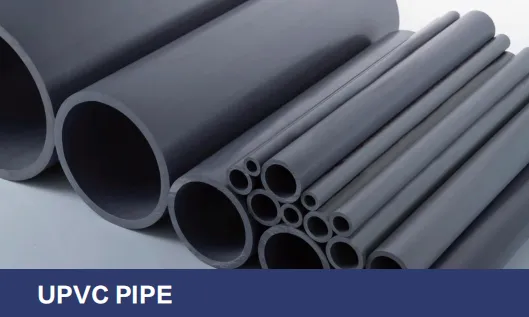
In a world where every construction project is increasingly measured by its environmental footprint, the phrase "green building" has shifted from a buzzword to a fundamental responsibility. Today's architects, contractors, and homeowners aren't just building structures—they're crafting legacies that respect the planet. At the heart of this movement lies a critical, often overlooked component: the materials that form the backbone of our buildings. Plumbing systems, in particular, play a silent yet vital role in a building's sustainability. That's where a dedicated upvc pipe supplier steps in, turning ordinary construction into a force for environmental good. Let's dive into how sustainable UPVC pipe solutions are reshaping green building, and why partnering with the right supplier matters more than ever.
Think about the last time you walked into a modern office building or a newly constructed home. Chances are, you noticed the energy-efficient windows, the solar panels on the roof, or the low-flow faucets in the bathroom. These are all visible markers of green building, but what about what's hidden behind the walls? Plumbing systems—composed of pipes, fittings, and fixtures—are the circulatory system of any structure. They carry water, waste, and essential fluids, and their design directly impacts a building's resource efficiency, durability, and long-term environmental impact.
Traditional plumbing materials often come with hidden costs: short lifespans that require frequent replacements, high energy use during manufacturing, or vulnerability to corrosion that leads to leaks and water waste. For example, older metal pipes might rust over time, contaminating water and forcing costly repairs. In contrast, sustainable plumbing solutions prioritize materials that minimize these issues. They're built to last, require less energy to produce, and reduce the need for constant maintenance—all while keeping water and energy usage in check.
As green building standards like LEED (Leadership in Energy and Environmental Design) become the norm, the demand for plumbing materials that align with these criteria has skyrocketed. Builders aren't just looking for pipes that work—they're looking for pipes that contribute to certifications, lower operational costs, and tell a story of environmental responsibility. This is where UPVC (Unplasticized Polyvinyl Chloride) pipes, supported by a reliable upvc pipe supplier, have emerged as a game-changer.
So, what makes UPVC pipes stand out in the crowded world of plumbing materials? Let's start with the basics: UPVC is a rigid, unplasticized version of PVC, which means it's free from the phthalates and softeners that can make other plastics less durable or environmentally concerning. This inherent strength gives UPVC pipes a lifespan of 50 years or more—far longer than many traditional materials. Imagine installing a plumbing system that outlasts the first generation of occupants in a home or the first decade of operations in a commercial building. Fewer replacements mean less material waste, fewer construction disruptions, and a lower carbon footprint over time.
But sustainability isn't just about longevity—it's about the entire lifecycle. From production to disposal, UPVC pipes shine. Manufacturing UPVC requires significantly less energy compared to metal pipes like copper or steel. Copper mining and processing, for instance, are energy-intensive and contribute to soil and water pollution. UPVC production, on the other hand, generates lower greenhouse gas emissions and uses fewer natural resources. Plus, many UPVC pipes are recyclable at the end of their life, closing the loop on waste and reducing reliance on virgin materials.
Another unsung benefit? UPVC's resistance to corrosion, chemicals, and scale buildup. In plumbing systems, leaks and blockages are common culprits of water waste. A pinhole leak in a metal pipe can waste hundreds of gallons of water annually, while scale buildup in older pipes forces pumps to work harder, increasing energy use. UPVC's smooth interior surface prevents scale, and its chemical resistance means it can handle everything from harsh cleaning agents in commercial kitchens to acidic wastewater in industrial settings—all without degrading. For a school, hospital, or office building, this translates to consistent water pressure, lower maintenance costs, and a system that operates efficiently for decades.
Of course, none of these benefits matter if the UPVC pipes themselves aren't manufactured responsibly. That's why choosing the right upvc pipe supplier is critical. The best suppliers prioritize sustainable manufacturing practices: using recycled content where possible, optimizing production to reduce energy use, and minimizing waste in their facilities. They don't just sell pipes—they sell a commitment to the planet, backed by certifications like ISO 14001 (Environmental Management) and compliance with global green building standards.
While UPVC pipes are a star player in sustainable plumbing, green building often requires a team effort. Every project has unique needs: a high-rise apartment might need durable drain pipes, a hospital might prioritize chemical-resistant hot water lines, and a residential development might balance cost with performance. That's why leading suppliers don't stop at UPVC—they offer a range of complementary solutions, including pvc dwv pipe solutions and ppr pipe and fitting solutions, to ensure every plumbing need is met sustainably.
Let's start with PVC DWV (Drain, Waste, and Vent) pipes. These are the workhorses of any plumbing system, responsible for carrying wastewater and sewage away from buildings while allowing air to circulate and prevent pressure buildup. PVC DWV pipes are lightweight, easy to install, and highly resistant to the corrosive effects of wastewater. Like UPVC, they're long-lasting and require minimal maintenance, making them a staple in green building projects. A reputable pvc dwv pipe supplier will ensure these pipes are manufactured with recycled materials and meet strict environmental standards, further reducing their footprint.
Then there's PPR (Polypropylene Random Copolymer) pipes, a popular choice for hot and cold water distribution systems. PPR pipes are known for their heat resistance (they can handle temperatures up to 95°C), flexibility, and smooth interior that prevents scaling. While PPR and UPVC serve different purposes—UPVC excels in cold water and drainage, PPR in hot water—they share a commitment to sustainability. PPR is recyclable, has a low carbon footprint in production, and like UPVC, reduces the need for frequent replacements. For a hotel or residential complex with high hot water demand, ppr pipe and fitting solutions offer a sustainable alternative to copper or galvanized steel, cutting down on energy use and maintenance headaches.
The key here is versatility. A supplier that offers UPVC, PVC DWV, and PPR solutions under one roof isn't just convenient—it's strategic. Builders can source all their plumbing materials from a single partner who understands their green building goals, ensuring consistency in quality and sustainability across the project. Whether it's a small home renovation or a large-scale commercial development, this integrated approach simplifies the process and ensures every pipe, fitting, and connector aligns with the project's environmental mission.
At this point, you might be thinking, "UPVC and complementary pipes sound great, but how do I ensure I'm getting the real deal?" The answer lies in the supplier. A truly sustainable upvc pipe supplier isn't just a vendor—they're a partner invested in your project's success and the planet's health. Here's what sets them apart:
To put this all into perspective, let's walk through a real-world example (names have been changed for privacy). In 2023, a commercial developer in Riyadh set out to build a 10-story office complex targeting LEED Gold certification. Their goals: reduce water usage by 30%, cut energy consumption by 25%, and minimize construction waste. Central to their plan was a sustainable plumbing system, and they turned to a trusted upvc pipe supplier for solutions.
The project required three key plumbing systems: cold water distribution, hot water lines, and drain/waste/vent (DWV) pipes. After consulting with the supplier, the team chose:
One year after completion, the results spoke for themselves: The building achieved LEED Gold, with plumbing contributing 12% of the total certification points. Water usage was down by 32% (exceeding the target), maintenance calls for plumbing issues were 60% lower than in comparable buildings, and the developer reported a 15% reduction in long-term operational costs. "Choosing the right supplier wasn't just about pipes—it was about choosing a partner who understood our green goals," said the project manager. "Their UPVC and PPR solutions didn't just meet the standards; they helped us exceed them."
Still wondering which pipe material is right for your project? Let's break down the key sustainability and performance metrics of UPVC, PPR, and PVC DWV pipes in a clear, side-by-side comparison:
| Metric | UPVC Pipes | PPR Pipes & Fittings | PVC DWV Pipes |
|---|---|---|---|
| Lifespan | 50+ years | 40–50 years | 50+ years |
| Recyclability | High (recyclable at end of life) | Moderate (recyclable with specialized processes) | High (recyclable at end of life) |
| Carbon Footprint (Production) | Low (30% less than copper) | Low to moderate (slightly higher than UPVC) | Low (similar to UPVC) |
| Best For | Cold water distribution, irrigation, chemical transport | Hot & cold water lines, residential/commercial plumbing | Drainage, waste, vent systems |
| Maintenance Needs | Minimal (no corrosion, scale-resistant) | Low (smooth interior reduces clogs) | Low (resistant to wastewater corrosion) |
| LEED Contribution | High (durability, recyclability, low energy use) | Moderate to high (energy efficiency in hot water systems) | Moderate (reduces construction waste, long lifespan) |
*Data based on industry standards and supplier testing. Actual performance may vary by project conditions.
As the world continues to prioritize sustainability, the role of materials like UPVC, PPR, and PVC DWV pipes will only grow. Here's what we can expect in the years ahead:
Circular Economy Integration: The most innovative upvc pipe suppliers are already exploring closed-loop systems, where old pipes are collected, recycled, and turned into new ones. This "cradle-to-cradle" approach could drastically reduce the industry's reliance on virgin materials and set a new standard for sustainability.
Smart Plumbing Systems: Imagine UPVC pipes embedded with sensors that detect leaks in real time or PPR fittings that monitor water flow to optimize energy use. As smart buildings become more common, sustainable pipes will evolve from passive components to active participants in resource management.
Regulatory Push for Greener Materials: Governments worldwide are tightening environmental regulations, and plumbing materials will face stricter scrutiny. Suppliers who prioritize sustainability today will be ahead of the curve, helping builders avoid costly retrofits or compliance issues tomorrow.
At the end of the day, green building isn't just about certifications or buzzwords—it's about creating spaces that are healthy for people and the planet. Plumbing might not be the most visible part of that vision, but it's one of the most critical. By choosing a reliable upvc pipe supplier, investing in UPVC, PPR, and PVC DWV solutions, and prioritizing sustainability at every step, we're not just building buildings—we're building a future where construction and conservation go hand in hand.
Sustainable construction is a journey, not a destination. It requires collaboration, innovation, and a commitment to choosing materials that honor both our present needs and the planet's future. As a leading upvc pipe supplier, we're proud to be part of that journey—offering UPVC, PPR, and PVC DWV solutions that don't just meet the demands of modern building but elevate them. Whether you're building a home, a hospital, or a skyscraper, the right plumbing materials can turn your green goals into reality. So let's build something that lasts—for decades, for generations, and for the health of our planet.
Recommend Products












