
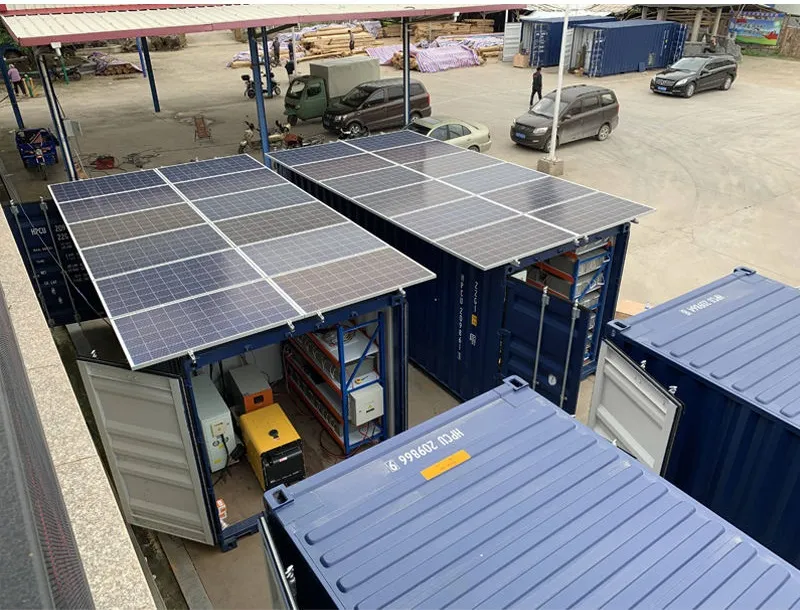
In a world where climate change is no longer a distant threat but a daily reality, the choices we make about our homes—how they're built, what materials they use, and how they consume energy—have never mattered more. For millions living in apartments, the dream of a low-carbon lifestyle can feel out of reach. After all, we don't always own the roof, and retrofitting an older building with green technology can seem complicated. But what if there was a way to turn your apartment into a hub of sustainability, starting with one simple upgrade? Enter solar panels—and not just any solar panels, but ones designed to fit seamlessly into apartment living, backed by a one-stop architectural solution provider that handles everything from design to delivery.
Let's start with the basics: solar panels aren't just for houses with sprawling roofs. Today's technology has evolved to meet the unique needs of apartment dwellers. Think slimmer, more flexible panels that can be installed on balconies, shared rooftops, or even exterior walls without compromising aesthetics. For residents, this means lower electricity bills, a reduced carbon footprint, and the satisfaction of knowing you're contributing to a greener planet. For developers, it's a chance to attract eco-conscious tenants, boost property values, and align with global sustainability goals like the "dual carbon target" and Saudi Arabia's Vision 2030.
But solar panels are just the beginning. To truly create a low-carbon apartment, you need a holistic approach—one that considers every element of the building, from the walls to the windows to the flooring. That's where working with a residential building materials supplier that specializes in sustainable building materials becomes critical. These suppliers don't just sell products; they offer solutions that work together to maximize efficiency and minimize environmental impact.
Solar panels generate clean energy, but to make your apartment truly low-carbon, you need to look at the materials that make up the space itself. Traditional building materials like concrete and certain plastics are major carbon emitters, both in production and over their lifecycle. Sustainable alternatives, on the other hand, are designed to be eco-friendly from start to finish—think green building materials that use recycled content, reduce waste, or improve energy efficiency.
Take wall panels, for example. Instead of conventional drywall, which can off-gas harmful chemicals and requires frequent replacement, imagine walls made from bamboo charcoal board. Not only is bamboo a fast-growing, renewable resource, but the charcoal infusion helps purify indoor air by absorbing moisture and odors. Or consider WPC (wood-plastic composite) flooring, which combines recycled wood fibers and plastic to create a durable, waterproof surface that looks like hardwood but lasts longer and requires less maintenance. These materials aren't just better for the environment—they're better for your health and your wallet, too.
| Material Type | Carbon Footprint (kg CO2 per m²) | Lifespan | Key Benefit for Apartments |
|---|---|---|---|
| Traditional Drywall | 8-10 | 10-15 years | Low upfront cost |
| Bamboo Charcoal Board Wall Panel | 2-3 | 25-30 years | Air-purifying, moisture-resistant |
| Solid Hardwood Flooring | 12-15 | 15-20 years | Natural aesthetic |
| WPC Flooring | 4-5 | 20-25 years | Waterproof, low maintenance |
| Standard Windows | 15-20 | 15-20 years | Basic insulation |
| Energy-Efficient Windows | 8-10 | 30-40 years | Reduced heating/cooling costs by 20-30% |
The table above tells a clear story: sustainable building materials aren't just "greener"—they're often more durable and cost-effective in the long run. For apartment owners, this translates to fewer repairs, happier tenants, and a building that stands the test of time (and changing environmental regulations).
Here's the thing about sustainable apartment upgrades: they're rarely a "one-and-done" project. Installing solar panels might require adjusting the electrical system. Choosing new wall panels could mean coordinating with interior designers to ensure they match the apartment's style. And if you're a developer working on a large complex, you need to source materials from multiple suppliers, manage timelines, and ensure everything meets local building codes. That's where a one-stop architectural solution provider becomes invaluable.
Imagine working with a partner who handles it all: they assess your apartment's energy needs, recommend the right solar panels (whether for a single unit or an entire building), source eco-friendly flooring and wall materials, and even coordinate installation with local contractors. No more juggling multiple vendors or worrying about whether the solar panels will work with the new windows. It's a seamless process that saves time, reduces stress, and ensures every component works together to maximize sustainability.
Take, for example, a recent project in Riyadh, where a mid-rise apartment complex partnered with a leading residential building materials supplier to upgrade 50 units. The supplier provided not just solar panels but also energy-efficient windows, bamboo charcoal wall panels, and WPC flooring. The result? A 28% reduction in the building's overall energy consumption, and tenants reported monthly electricity bills that were 35% lower than before. "We didn't have to lift a finger," says Ahmed, a tenant in the building. "The team handled everything, from explaining how the solar panels work to fixing a minor issue with the flooring. It felt like they genuinely cared about making our homes better."
One common myth about sustainable living is that it's expensive. While it's true that some green upgrades have a higher upfront cost, the long-term savings often make them worth it. Solar panels, for instance, typically pay for themselves within 5-7 years through reduced electricity bills. And when you bundle them with other sustainable building materials —like low-VOC paints, energy-efficient appliances, and water-saving fixtures—those savings add up even faster.
For renters who can't install solar panels themselves, there's still hope. Many cities now offer community solar programs, where residents can buy into a shared solar farm and receive credits on their electricity bills. And for developers, investing in sustainability isn't just about altruism—it's a smart business move. A 2023 study by the World Green Building Council found that apartments with green certifications (like LEED or BREEAM) command 10-15% higher rents and have 30% lower vacancy rates than non-certified buildings.
Sustainable apartment living isn't just good for the planet—it's also aligned with some of the most ambitious sustainability initiatives in the world. Take Saudi Arabia's Vision 2030, which aims to reduce carbon emissions, boost renewable energy use, and create more sustainable cities. As part of this vision, the government is encouraging developers to adopt green building practices, offering incentives for projects that use sustainable building materials and renewable energy solutions like solar panels.
For companies operating in the region, this means an opportunity to lead by example. A one-stop architectural solution provider with deep roots in the Middle East (like having a local office in Saudi Arabia) can navigate the unique challenges of the market—from extreme temperatures that require durable materials to local building codes—while ensuring projects align with Vision 2030's goals. This includes investing in local talent, sourcing materials from regional suppliers where possible, and prioritizing solutions that create jobs and support the local economy.
But the impact goes beyond Saudi Arabia. With a global service network, these providers can bring the same level of expertise to apartment projects in Europe, Asia, or the Americas. Whether you're in London, Singapore, or Dubai, the goal remains the same: to make low-carbon apartment living accessible, affordable, and enjoyable for everyone.
So, what does the future hold for sustainable apartment living? The answer lies in innovation. We're already seeing solar panels that double as decorative facade elements, turning buildings into works of art while generating electricity. There are smart home systems that sync with solar panels to optimize energy use—think your AC automatically adjusting when the sun is shining brightest, or your fridge using stored solar energy during peak hours. And as sustainable building materials continue to evolve, we can expect even more options: self-healing concrete that reduces maintenance needs, paint that absorbs CO2, and windows that generate electricity from rain or wind.
For residents, this means apartments that are not just low-carbon but also smarter, healthier, and more comfortable. For developers, it's a chance to stay ahead of the curve and meet the growing demand for eco-friendly housing. And for the planet? It's a step toward a future where every apartment—whether in a bustling city or a quiet suburb—is part of the solution, not the problem.
If you're ready to turn your apartment into a low-carbon haven, the first step is to find the right partner. Look for a one-stop architectural solution provider that offers a wide range of sustainable products, from solar panels to green building materials, and has a track record of working with apartments. Ask for case studies, talk to past clients, and make sure they understand your specific needs—whether you're a tenant, a landlord, or a developer.
Next, start small. You don't have to upgrade everything at once. Installing solar panels or switching to energy-efficient lighting is a great first step. Over time, you can add more sustainable elements, like new flooring or wall panels. And remember: every little bit counts. Even a single solar panel can reduce your carbon footprint by hundreds of kilograms each year.
At the end of the day, low-carbon apartment living isn't just about solar panels or building materials—it's about reimagining what a home can be. It's about coming home to a space that's good for you, good for your wallet, and good for the planet. And with the right partner by your side, that vision is closer than you think.
So, what are you waiting for? The future of sustainable living is here—and it starts with your apartment.
Recommend Products












