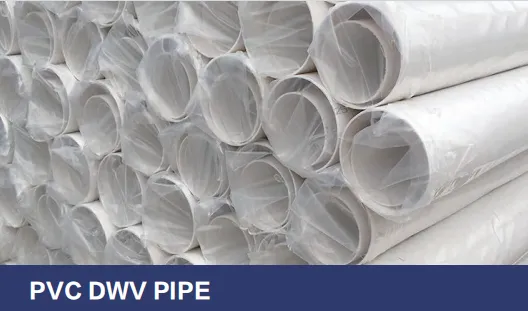
Sustainability isn't just about using "natural" materials—it's about looking at the entire lifecycle of a product. From raw material extraction to manufacturing, installation, use, and end-of-life disposal, every stage impacts the environment. Let's break down why PVC DWV pipes are earning a reputation as a sustainable choice.
1. Resource Efficiency in Manufacturing
PVC is made from two abundant resources: salt (sodium chloride) and petroleum. While petroleum use raises eyebrows, the reality is that PVC production uses significantly less energy compared to alternatives like cast iron or concrete. According to the Vinyl Institute, manufacturing PVC pipe requires 50% less energy than cast iron and 70% less than concrete. This lower energy input translates to fewer greenhouse gas emissions during production.
2. Longevity Means Less Waste
A pipe that needs frequent replacement is bad for both your budget and the environment. PVC DWV pipes are built to last. With a typical lifespan of 50-100 years—depending on installation and maintenance—they outlast many traditional materials. Cast iron, for example, can corrode over time, especially in areas with acidic soil, leading to leaks and the need for replacement within 20-30 years. Copper, while durable, is prone to pinhole leaks if water chemistry is off. By reducing the need for replacements, PVC DWV pipes minimize the environmental impact of manufacturing and installing new pipes repeatedly.
3. Lightweight Design Cuts Transportation Emissions
Ever tried lifting a cast iron pipe? They're heavy—so heavy that transporting them requires more fuel, and installing them demands more labor and equipment. PVC DWV pipes, on the other hand, are lightweight. A 10-foot section of 4-inch PVC DWV pipe weighs around 10 pounds, compared to 70 pounds for cast iron. This lightness reduces the carbon footprint of transportation (fewer trucks needed, less fuel burned) and makes installation faster and easier, cutting down on on-site energy use and labor hours.
4. Recyclability and Circularity
At the end of their long life, PVC DWV pipes don't have to end up in landfills. PVC is 100% recyclable, and many manufacturers now offer take-back programs for old pipes. Recycled PVC can be repurposed into new pipes, flooring, or other products, reducing the demand for virgin materials. Some forward-thinking suppliers even use recycled content in their new PVC DWV pipe production, closing the loop on the material's lifecycle.
5. Smooth Interior = Energy Savings
You might not think about pipe interior smoothness, but it matters. PVC DWV pipes have a naturally smooth inner surface that allows water and waste to flow freely with less friction. This reduces the risk of clogs, which means fewer plumber visits (and fewer chemicals used to clear blockages). In commercial settings, like hotels or hospitals, this efficiency can lower maintenance costs and reduce water waste from backups.