

In an era where every decision we make echoes through the planet's future, the construction industry stands at a crossroads. For decades, we've relied on materials that prioritize durability and aesthetics over environmental impact—quarrying natural stone, felling trees, and pumping out concrete with little regard for the toll on ecosystems. But today, a new wave of innovation is rising, led by companies like Coloria, a forward-thinking pu stone wall panel supplier that's redefining what it means to build beautifully without breaking the earth. At the heart of this movement? PU stone wall panels—lightweight, versatile, and surprisingly sustainable. Let's dive into how Coloria is turning the tide, one panel at a time.
Walk through any historic city, and you'll marvel at the grandeur of natural stone buildings—marble facades, granite columns, limestone walls. For centuries, stone has been the gold standard for durability and timeless beauty. But behind that beauty lies a heavy cost. Quarrying natural stone involves massive machinery, deforestation, and soil erosion, leaving scars on landscapes that take decades to heal. Once extracted, the stone is cut, transported, and installed—each step guzzling fuel and releasing carbon into the air. A single square meter of natural granite, for example, can weigh over 50 kg, requiring heavy-duty cranes, reinforced structures, and teams of workers to maneuver. The waste? Up to 30% of quarried stone ends up as debris, dumped in landfills or left to pollute nearby water sources.
Then there's the issue of sustainability. Natural stone is a finite resource; once a quarry is depleted, it's gone forever. And for all its strength, natural stone isn't immune to the elements—freeze-thaw cycles crack it, saltwater erodes it, and maintenance often involves harsh chemicals. For builders, homeowners, and architects alike, the question became: Is there a way to keep the beauty of stone without the environmental guilt?
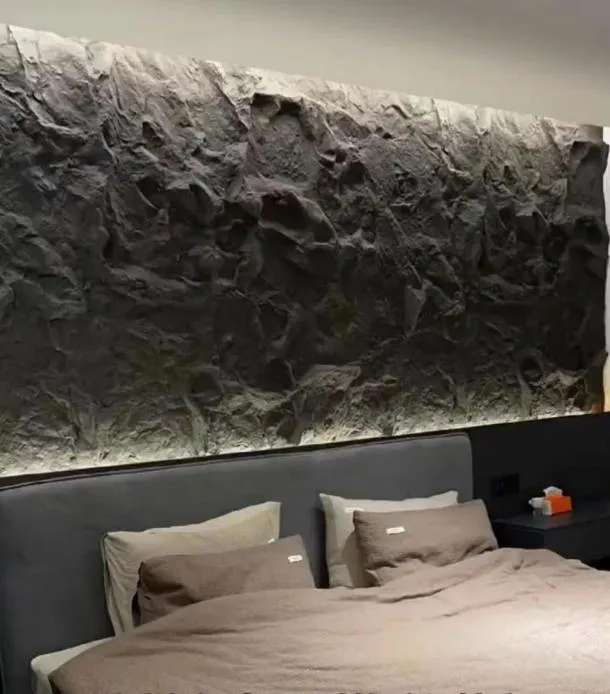
Coloria's answer came in the form of PU stone wall panels—engineered to mimic the look and feel of natural stone, but with a fraction of the environmental impact. PU, or polyurethane, is a synthetic material known for its strength, flexibility, and lightweight properties. When combined with mineral fillers and natural stone aggregates, it creates a panel that's virtually indistinguishable from the real thing—right down to the texture of granite, the veining of marble, or the ruggedness of slate. But don't let the "synthetic" label fool you: these panels are a game-changer for sustainability.
So, what makes Coloria's pu stone wall panel solutions stand out? Let's start with the basics: how they're made. Traditional stone panels require mining, cutting, and polishing—processes that consume vast amounts of water and energy. Coloria's PU stone panels, by contrast, are manufactured using a closed-mold injection process. This method uses precise amounts of raw materials, minimizing waste, and the production line runs on solar-powered energy at their state-of-the-art facility in Saudi Arabia. Even better, the panels are 100% recyclable at the end of their lifespan, breaking down into raw materials that can be repurposed for new products. No quarrying, no deforestation, no leftover debris—just a circular approach to building materials.
To truly understand the impact, let's compare Coloria's PU stone wall panels with traditional natural stone. The table below breaks down key features, from weight to carbon footprint, to show why more builders are making the switch:
| Feature | Traditional Natural Stone Panels | Coloria PU Stone Wall Panels |
|---|---|---|
| Material Composition | 100% quarried natural stone | Polyurethane + mineral fillers + recycled stone aggregates |
| Weight (per sqm) | 40–60 kg | 6–8 kg |
| Installation Complexity | Requires heavy machinery and 3–4 workers per panel | Lightweight; can be installed by 2 workers with basic tools |
| Water Usage in Production | High (500+ liters per sqm for cutting/polishing) | Low (10 liters per sqm; water is recycled in production) |
| Carbon Footprint (per sqm) | 15–20 kg CO₂e | 2–3 kg CO₂e |
| Recyclability | Non-recyclable; ends up in landfills | 100% recyclable; repurposed into new panels or other products |
| Fire Resistance | Varies (some stones crack under high heat) | Class A fire-rated; meets international safety standards |
| Lifespan | 50–80 years (with heavy maintenance) | 30–50 years (minimal maintenance required) |
| Cost (per sqm, installed) | $150–$300 | $80–$150 |
The numbers speak for themselves. Coloria's panels are 85% lighter than traditional stone, which means lower transportation emissions, reduced structural support costs, and faster installation times. A crew that might take a week to clad a home with natural stone can finish the same job in 2–3 days with PU panels—saving time, labor, and energy. And with a carbon footprint 85% smaller, these panels aren't just better for the planet; they're better for builders' bottom lines, too.
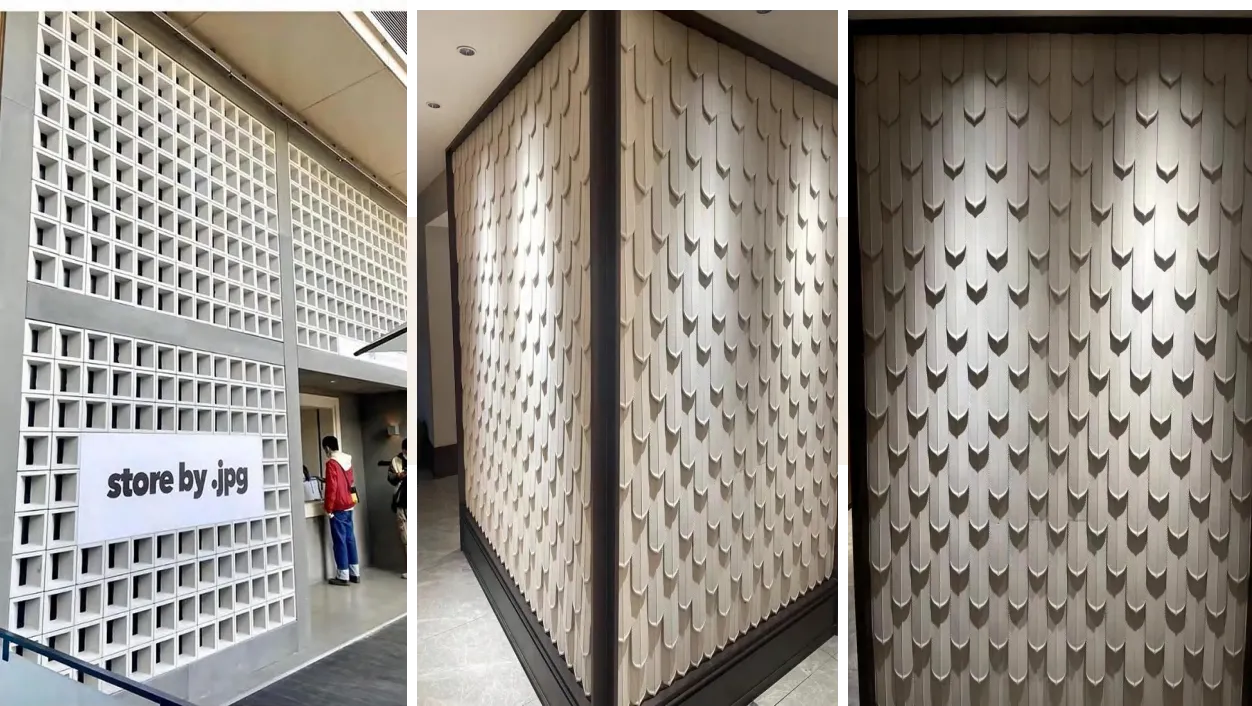
For Coloria, sustainability isn't just a buzzword—it's a core value that shapes every decision, from raw material sourcing to customer support. As a leading saudi arabia building materials supplier, the company understands its role in driving change in the region's construction industry, which has long been dominated by resource-heavy practices. Here's how they're walking the walk:
Coloria's commitment to sustainability starts at the source. The mineral fillers and stone aggregates used in their PU panels are sourced from local quarries that would otherwise discard these materials as waste. Instead of letting perfectly good stone dust and fragments end up in landfills, Coloria repurposes them, reducing the need for new mining and supporting local economies. Even the polyurethane base is derived from bio-based polymers where possible, cutting down on reliance on fossil fuels.
"We don't just want to be a supplier—we want to be a partner in the circular economy," says a spokesperson for Coloria. "By using recycled and local materials, we're not only reducing our carbon footprint but also creating a closed loop where waste becomes a resource. It's a win-win for everyone involved."
Coloria's manufacturing facility in Riyadh is a model of eco-friendly production. The entire plant runs on solar energy, with a rooftop array that generates over 50% of its electricity needs. The remaining energy comes from renewable sources, ensuring that even on cloudy days, the carbon impact stays low. Water used in production is filtered and recycled, with a closed-loop system that minimizes consumption to just 10 liters per square meter of panels—compared to the 500+ liters required for traditional stone cutting.
Waste is another area where Coloria shines. The closed-mold injection process leaves almost no excess material, and any scraps are ground down and reused in future batches. Even packaging is eco-friendly: panels are shipped in recyclable cardboard or reusable crates, eliminating the need for plastic wrapping. In 2024, the facility achieved zero waste to landfill status—a milestone that few building material suppliers can claim.
Sustainability isn't just about what goes into a product—it's about how long it lasts. Coloria's PU stone wall panels are designed to stand the test of time, with a lifespan of 30–50 years. Unlike natural stone, they're resistant to moisture, mold, and UV rays, meaning they won't fade, crack, or warp in harsh weather. This durability translates to less frequent replacements, reducing the demand for new materials and the associated environmental impact.
Take, for example, a coastal home in Jeddah, where saltwater and humidity can corrode even the toughest natural stone. A homeowner who installed Coloria's PU stone panels five years ago reported zero maintenance issues: "The panels still look brand new," they said. "I haven't had to repaint, repair, or replace a single one. It's saved me time, money, and the guilt of knowing I'm not contributing to more quarrying."
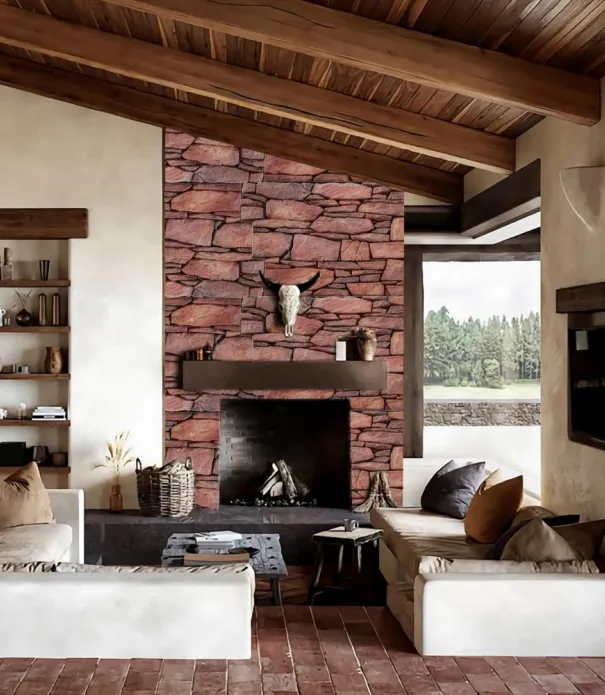
One of the reasons Coloria's pu stone wall panel solutions have gained traction is their versatility. These panels aren't limited to exterior facades—they work beautifully indoors, too. From accent walls in living rooms to feature panels in hotels and restaurants, the range of textures and finishes is endless. Want the look of rough-hewn granite for a rustic cabin? Or sleek, polished marble for a modern office lobby? Coloria's design team can customize panels to match any aesthetic, using digital printing technology to replicate natural stone patterns with stunning accuracy.
And it's not just about looks. The lightweight nature of PU panels makes them ideal for retrofit projects, where structural weight is a concern. An old apartment building in Riyadh, for instance, recently updated its exterior with Coloria's panels without needing to reinforce the walls—a project that would have been impossible with traditional stone. The result? A fresh, modern look that boosted property values while keeping costs and environmental impact low.
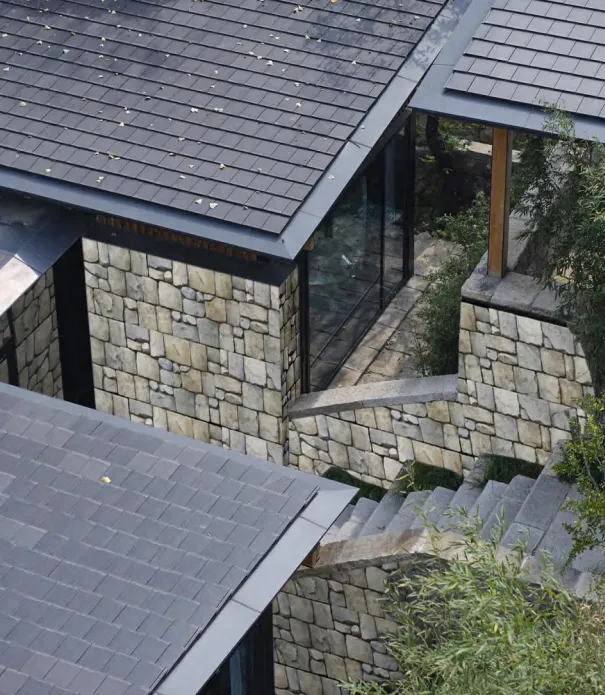
Coloria's sustainability efforts haven't gone unnoticed. The company has earned certifications from leading environmental organizations, including LEED (Leadership in Energy and Environmental Design) and the Saudi Green Building Code (SABER). These certifications validate that Coloria's panels meet strict standards for energy efficiency, resource conservation, and indoor air quality—important considerations for architects and builders working on green projects.
"Certifications give our customers peace of mind," explains the Coloria spokesperson. "They know that when they choose our PU stone panels, they're not just getting a great product—they're making a choice that aligns with global sustainability goals. It's our way of holding ourselves accountable and pushing the industry forward."
As the world shifts toward greener construction practices, Coloria is already looking to the future. The company is investing in research and development to make its PU panels even more sustainable, experimenting with algae-based polymers and 100% recycled content. They're also exploring new applications, such as acoustic panels for offices and fire-resistant panels for hospitals and schools—expanding their reach beyond just walls to create fully sustainable building solutions.
But perhaps the most exciting vision is Coloria's goal to become a carbon-negative company by 2030. "We don't just want to reduce our footprint—we want to actively remove carbon from the atmosphere," says the spokesperson. "That might mean investing in reforestation projects, developing carbon-capturing materials, or partnering with renewable energy initiatives. The sky's the limit when it comes to innovation."
At the end of the day, sustainable building isn't just about materials—it's about mindset. It's about recognizing that every choice we make today shapes the world we leave for future generations. Coloria's PU stone wall panels are more than a product; they're a statement that beauty and sustainability can coexist. Whether you're a builder, an architect, or a homeowner, choosing these panels is a step toward a future where our cities are as kind to the planet as they are inspiring to live in.
So, the next time you walk past a building with a stunning stone facade, take a closer look. It might just be Coloria's PU stone panels—proof that progress doesn't have to come at the expense of our planet. And as more companies follow in Coloria's footsteps, we can look forward to a world where green building isn't the exception, but the rule.
After all, the best buildings aren't just made of stone or polyurethane—they're made of purpose.
Recommend Products











