

In an era where every industry is rethinking its impact on the planet, the construction and interior design sectors are no exception. We've all heard the statistics: the building industry accounts for nearly 40% of global carbon emissions, and construction waste fills landfills at an alarming rate. As homeowners, contractors, and designers, we're increasingly asking ourselves: How can we create beautiful, functional spaces without leaving a heavy environmental footprint? The answer often lies in the materials we choose—and when it comes to wall solutions, one innovation is standing out for its blend of sustainability, durability, and style: PU stone wall panels. And behind these panels are suppliers who are redefining what it means to be a responsible provider of interior and exterior decoration materials.
Walk into any (building materials market) today, and you'll notice a shift. Where once the focus was solely on cost and aesthetics, now terms like "eco-friendly," "recycled," and "low-VOC" dominate conversations. This isn't just a trend—it's a necessary evolution. With stricter green building codes, growing consumer demand for sustainable products, and a global push to combat climate change, the construction industry is under pressure to innovate. And at the heart of this innovation are materials that don't just build spaces, but preserve the planet.
Sustainable building materials come in many forms, but one category that's gaining traction is wall panels. Walls are more than just dividers; they're the canvas of our spaces. They set the tone for a room, protect against the elements, and play a huge role in a building's energy efficiency. So when we talk about sustainable walls, we're talking about materials that are kind to the Earth from production to installation to disposal.
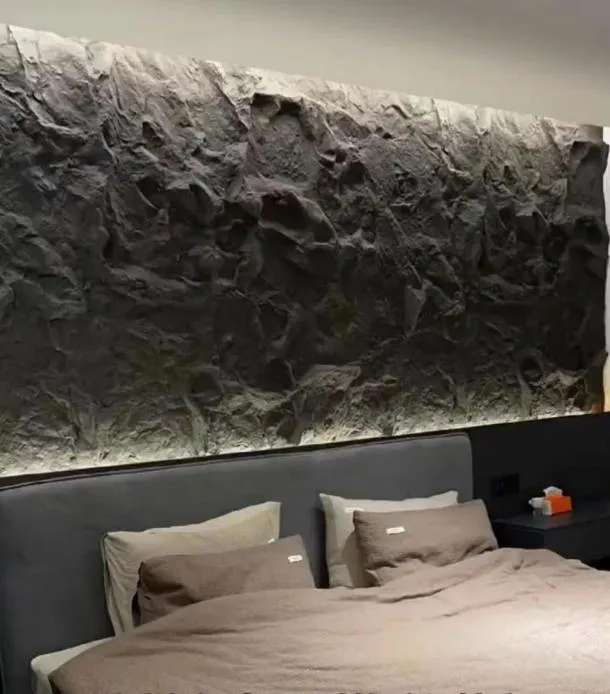
If you're not familiar with PU stone wall panels, let's break it down simply. PU stands for polyurethane, a versatile polymer known for its strength, flexibility, and insulating properties. PU stone wall panels are engineered to mimic the look and texture of natural stone—think granite, marble, or slate—but with a fraction of the weight and environmental impact. They're lightweight, easy to install, and incredibly durable, making them a favorite for both interior and exterior decoration materials.
But what really sets today's PU stone wall panels apart is their commitment to sustainability. Leading suppliers are now incorporating recycled materials into their production processes, turning waste into something beautiful and functional. This isn't just good for the planet—it's good for business, too. As more clients prioritize green building practices, suppliers who offer sustainable solutions are becoming the go-to choice for contractors and designers alike.
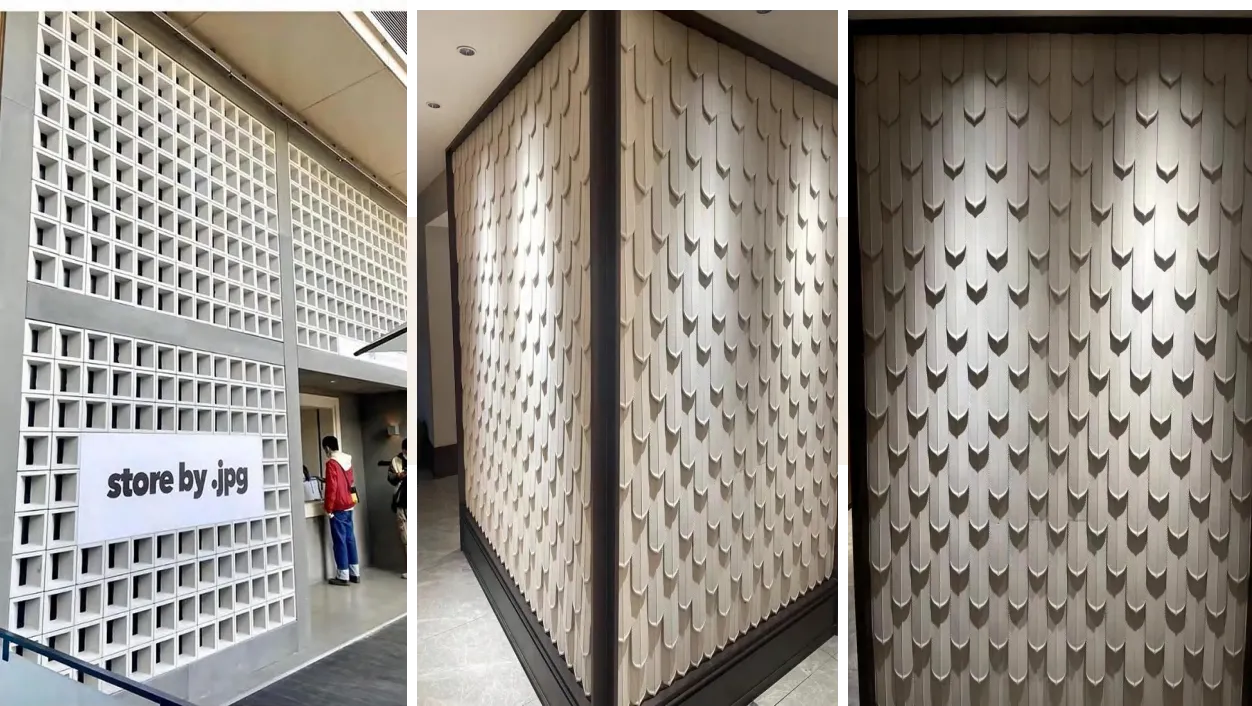
At the core of a sustainable PU stone wall panel supplier's mission is the responsible use of resources. Traditional manufacturing processes for building materials often rely on virgin resources—quarrying stone, mining metals, or producing plastics from fossil fuels. These practices deplete natural reserves and generate significant waste. But by using recycled materials, suppliers are closing the loop, transforming waste into high-quality wall panels.
So, what recycled materials are we talking about? Let's dive in:
Plastic pollution is a global crisis, with millions of tons ending up in landfills and oceans each year. Sustainable PU stone wall panel suppliers are stepping up by incorporating post-consumer plastic waste—think discarded water bottles, packaging materials, and even old plastic furniture—into their panel formulations. This plastic is cleaned, shredded, and melted down, then mixed with polyurethane resins to create a strong, flexible base for the panels. By repurposing this waste, suppliers are diverting plastic from landfills and reducing the need for new plastic production, which is heavily reliant on fossil fuels.
Many industries generate byproducts that are often considered waste—things like fly ash from power plants, sawdust from lumber mills, or mineral residues from manufacturing. Instead of letting these materials go to waste, forward-thinking suppliers are adding them to PU stone wall panel mixes. For example, fly ash, a byproduct of coal combustion, can (strengthen) the panel's structure while reducing the amount of virgin polyurethane needed. Similarly, sawdust adds texture and helps mimic the look of natural wood or stone, all while giving a second life to a material that might otherwise be burned or dumped.
The construction industry is one of the largest generators of waste, with old drywall, concrete, and tiles often ending up in landfills during demolition. Sustainable suppliers are finding ways to recycle this debris, too. Crushed concrete or ceramic tiles, for instance, can be ground into a fine powder and used as a filler in PU panels, adding bulk and durability without the need for new raw materials. This not only reduces landfill waste but also lowers the carbon footprint of transportation, as debris is often processed locally rather than hauled to distant dumps.
By blending these recycled materials with high-quality polyurethane resins, suppliers create panels that are not only eco-friendly but also surprisingly strong. The result? A wall panel that mimics the beauty of natural stone, resists cracks and chips, and stands up to the elements—all while keeping waste out of landfills.
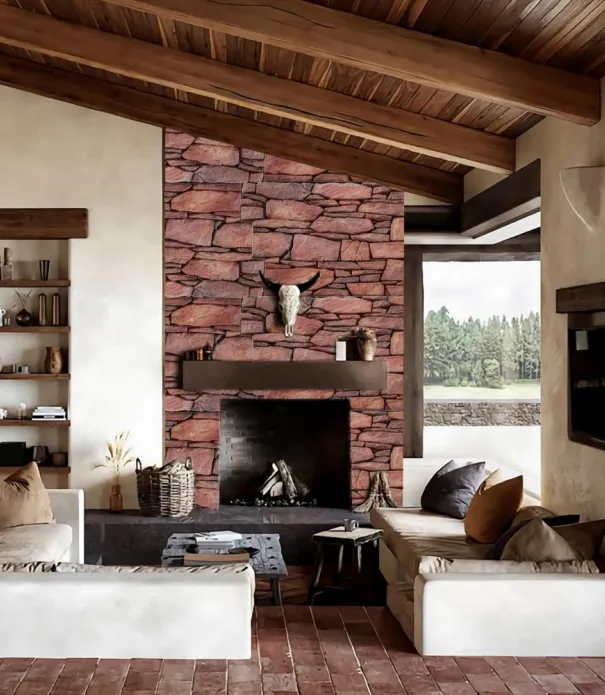
You might be wondering: "Why should I specifically seek out a sustainable PU stone wall panel supplier? Can't I just buy any PU panel?" The answer lies in the long-term benefits—for your project, your budget, and the planet. Let's break down the advantages:
This one is obvious, but it's worth emphasizing. By choosing a supplier that uses recycled materials, you're directly contributing to a circular economy. Every panel made with recycled content means less virgin resources extracted, less energy used in production, and less waste sent to landfills. It's a small choice that adds up to big change, especially for large-scale projects like commercial buildings or residential complexes.
While sustainable materials might sometimes have a slightly higher upfront cost, they often pay off over time. PU stone wall panels are lightweight, which reduces transportation and installation costs—no need for heavy machinery or extra labor. They're also low-maintenance: resistant to moisture, mold, and fading, so you won't spend money on frequent repairs or replacements. Plus, many green building projects qualify for tax incentives or certifications (like LEED), which can offset initial expenses.
Sustainable doesn't mean sacrificing style. Today's PU stone wall panels come in a wide range of colors, textures, and finishes, from rough-hewn "stone" to sleek, modern designs. Whether you're going for a rustic cabin vibe or a contemporary office look, a reputable supplier will have options to match your vision. And because the panels are flexible, they can be installed on curved walls or irregular surfaces—something traditional stone simply can't do.
Sustainable suppliers often pride themselves on transparency and quality control. They'll be happy to walk you through their production process, share details about their recycled materials, and provide certifications (like ISO 14001 for environmental management). Plus, many act as a one-stop architectural solution provider, offering not just PU stone wall panel solutions but also guidance on installation, maintenance, and pairing panels with other sustainable materials.
| Feature | Traditional Stone/Brick | Sustainable PU Stone Wall Panels |
|---|---|---|
| Environmental Impact | High (quarrying, transportation, waste) | Low (recycled materials, reduced energy use) |
| Weight | Heavy (requires structural support) | Lightweight (easy to install, no extra support) |
| Durability | High (but prone to cracking, water damage) | High (resistant to moisture, mold, fading) |
| Installation Cost | High (labor-intensive, heavy machinery) | Low (lightweight, quick to install) |
| Design Flexibility | Limited (rigid, hard to shape) | High (flexible, works on curved surfaces) |
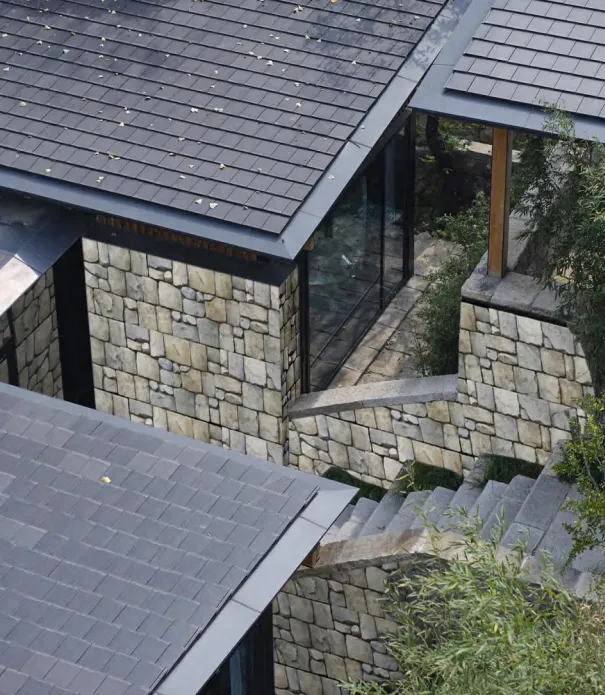
Sustainable PU stone wall panels aren't just a one-trick pony—they're versatile enough to enhance almost any space, indoors or out. Let's explore some of the most popular applications:
Inside the home or office, PU stone wall panels are a designer's dream. They're perfect for accent walls in living rooms, adding texture to a bedroom headboard, or creating a cozy atmosphere in a restaurant or café. In commercial spaces like hotels or retail stores, they can transform lobbies into grand entrances or add warmth to checkout areas. Because they're lightweight, they're also ideal for renovation projects where structural changes are limited—you can update a room's look without tearing down walls.
Exterior walls face harsh conditions—rain, wind, UV rays, and temperature fluctuations. PU stone wall panels are up to the task. They're weather-resistant, meaning they won't fade, crack, or warp over time. Homeowners love them for exterior accent walls, porch ceilings, or garage exteriors. For commercial buildings, they're a smart choice for facade cladding, giving the appearance of expensive natural stone at a fraction of the cost and environmental impact. Plus, their flexibility allows for creative architectural designs, like curved facades or geometric patterns.
Sustainability isn't the only priority in spaces like hospitals and schools—safety matters, too. Many sustainable PU stone wall panels are fire-resistant, mold-resistant, and easy to clean, making them suitable for these high-traffic, high-safety environments. Some suppliers even offer specialized options, like Class A fireproof panels, which meet strict safety codes. It's a win-win: you get a sustainable material that also protects occupants.
As the world continues to prioritize sustainability, the demand for eco-friendly building materials will only grow. PU stone wall panel suppliers are already innovating, experimenting with new recycled materials, improving production efficiency, and developing panels with even better performance. We can expect to see more advanced blends—incorporating agricultural waste like rice husks or bamboo fibers, or using 3D printing to reduce waste in panel design. There's also a push for greater transparency, with blockchain technology potentially being used to track recycled materials from collection to production, giving clients full visibility into a panel's eco-credentials.
But perhaps the most exciting development is the shift in mindset. Sustainability is no longer a "nice-to-have"—it's a "must-have." Clients are asking tough questions about where materials come from, how they're made, and what happens to them at the end of their life. Suppliers who answer these questions honestly and lead with their green credentials will thrive. And as more people experience the benefits of sustainable PU stone wall panels—their beauty, durability, and positive impact on the planet—they'll become the standard, not the exception.
Sustainability in construction isn't just about big-picture policies or global agreements—it starts with the choices we make every day. Choosing a sustainable PU stone wall panel supplier is one of those choices. It's a choice to reduce waste, conserve resources, and create spaces that are beautiful, functional, and kind to the planet. Whether you're building a new home, renovating an office, or designing a commercial complex, these panels offer a path forward—one that proves you don't have to compromise on quality, style, or sustainability.
So, the next time you're in the market for interior or exterior decoration materials, take a moment to ask: Where do these materials come from? What's their story? And if you're looking for a supplier who can answer those questions with pride—one who offers not just PU stone wall panel solutions but a commitment to a greener future—you've found your partner. Together, we can build spaces that don't just stand the test of time, but help protect it, too.
Recommend Products











