

In a world where every choice we make leaves a footprint, the construction industry is at a crossroads. Homeowners, architects, and builders alike are no longer just chasing durability or aesthetics—they're asking a bigger question: Can our buildings be kind to the planet, too? It's a question that's led many to seek out materials that don't compromise on strength or style while cutting down on environmental harm. Enter the realm of sustainable building materials, where innovation meets responsibility. Today, we're shining a light on one of the most promising players in this space: the sustainable PU stone wall panel supplier. More than just a provider of building materials, these suppliers are redefining what it means to build green—one panel, one project, one community at a time.
Let's start with the basics: Why does sustainability in building materials even matter? For starters, the construction industry is a major contributor to global carbon emissions—accounting for nearly 39% of energy-related CO2 emissions, according to the United Nations Environment Programme. From extracting raw materials to transporting finished products, traditional building methods often leave a heavy environmental trail. Add to that the fact that buildings are meant to last decades, and it's clear: The materials we choose today will shape our planet's health for generations.
But it's not just about the planet. Sustainable materials often bring tangible benefits to the people using them, too. Think lower energy bills (thanks to better insulation), improved indoor air quality (fewer toxic chemicals), and even long-term cost savings (less maintenance, longer lifespans). For builders and developers, choosing eco-friendly options can also open doors to green certifications like LEED or BREEAM, making projects more attractive to environmentally conscious buyers and tenants.
Yet, for all these benefits, finding truly sustainable building materials can feel like searching for a needle in a haystack. Many products claim to be "green" but fall short when you dig into their manufacturing processes or ingredient lists. That's where a dedicated sustainable PU stone wall panel supplier comes in. These aren't just companies selling panels—they're partners in a mission to build smarter, cleaner, and more thoughtfully.
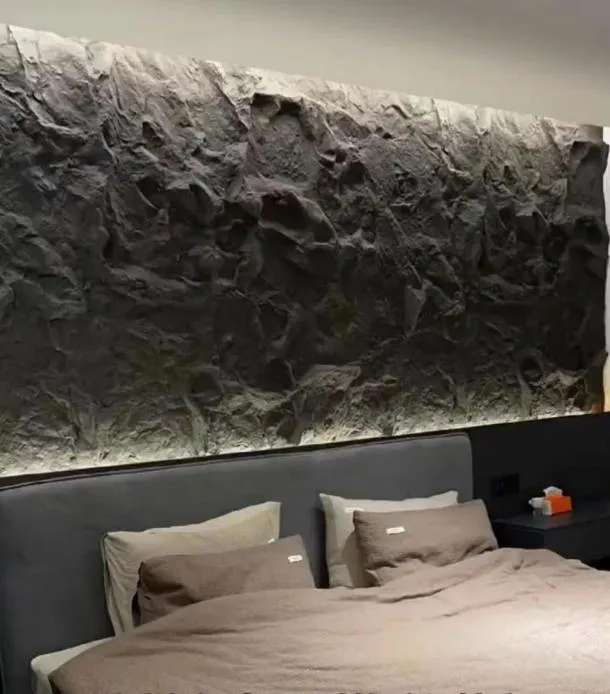
If you're not familiar with PU stone wall panels, let's get acquainted. PU, or polyurethane, is a versatile material known for its durability, flexibility, and insulating properties. When crafted into stone wall panels, it mimics the look and texture of natural stone—think rugged granite, smooth marble, or rustic slate—without the environmental cost of quarrying real stone. That's right: You get the timeless beauty of stone, minus the heavy carbon footprint, water waste, or habitat disruption.
But what makes a PU stone wall panel supplier "sustainable"? It's not just the product itself—it's how that product is made. From the moment raw materials are sourced to the second the panels leave the factory, every step is designed to minimize environmental impact. Let's take a closer look at what that looks like in action.
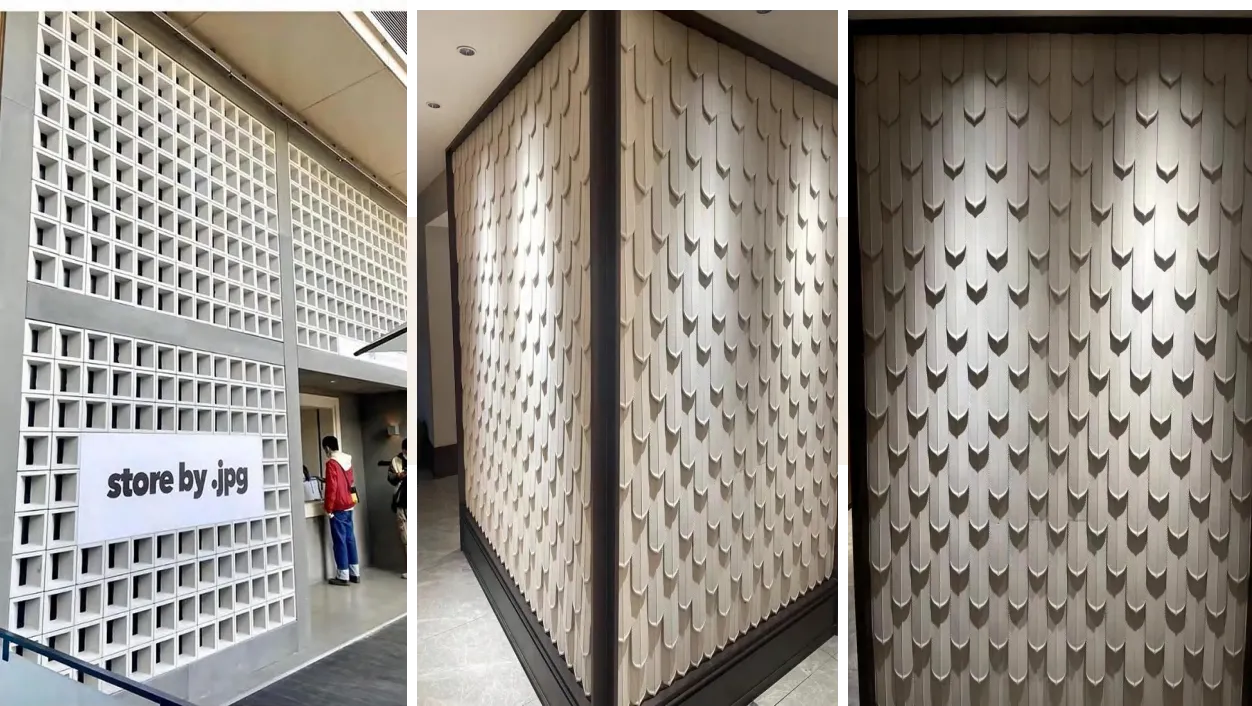
Walk into the facilities of a leading sustainable PU stone wall panel supplier, and you'll notice something different: a commitment to reducing waste, cutting energy use, and prioritizing planet-friendly materials at every turn. Let's break down the key steps of their manufacturing process—and how each one contributes to a greener end product.
It all begins with what goes into the panels. Traditional stone panels might rely on virgin plastics or non-recyclable additives, but sustainable suppliers flip the script. Many use recycled polyurethane as a base, diverting waste from landfills and reducing the need for new plastic production. Others incorporate natural fibers—like bamboo or hemp—to strength while keeping the material biodegradable.
VOCs (volatile organic compounds) are another big concern in building materials; these chemicals can off-gas into indoor air, causing respiratory issues and contributing to smog. Sustainable PU stone wall panel suppliers tackle this by using low-VOC or zero-VOC adhesives and coatings in their panels. The result? Panels that are safe for homes, schools, hospitals, and offices—spaces where air quality matters most.
Manufacturing isn't just about materials—it's about how much energy goes into making them. Traditional factories might rely on fossil fuels, but forward-thinking suppliers are switching to renewable energy sources. Solar panels on factory roofs, wind turbines nearby, or partnerships with green energy providers are becoming standard. Some even track their energy use in real time, using smart technology to adjust production schedules and reduce peak-time consumption.
Machinery plays a role, too. Modern, energy-efficient equipment—like precision cutting tools and automated mixing systems—uses less power than older models while also reducing material waste. For example, computer-controlled molds ensure that each panel is exactly the right size, minimizing scraps that would otherwise end up in landfills.
In manufacturing, waste is often seen as inevitable—but sustainable suppliers treat it as a challenge to be solved. During the molding process, excess PU material is collected, melted down, and reused in new panels. Even water used in cooling or cleaning is filtered and recycled, cutting down on freshwater consumption. Some suppliers have even achieved zero-waste-to-landfill status , meaning every scrap of material is either reused, recycled, or converted into energy (through processes like anaerobic digestion).
Here's a sustainability secret: The most eco-friendly product is one that lasts. A panel that needs to be replaced every 5 years is far less green than one that stands strong for 20. That's why sustainable PU stone wall panel suppliers invest heavily in quality control. Rigorous testing—for weather resistance, impact strength, fire safety, and UV stability—ensures that each panel can withstand the elements and daily wear, reducing the need for frequent replacements (and the waste that comes with them).
Even the way panels are packaged tells a story about a supplier's commitment to sustainability. Instead of single-use plastic wrap or non-recyclable foam, many use recycled cardboard, biodegradable shrink wrap, or reusable wooden crates . Some even encourage customers to return packaging materials for reuse—a small step that adds up to big waste reduction over time.
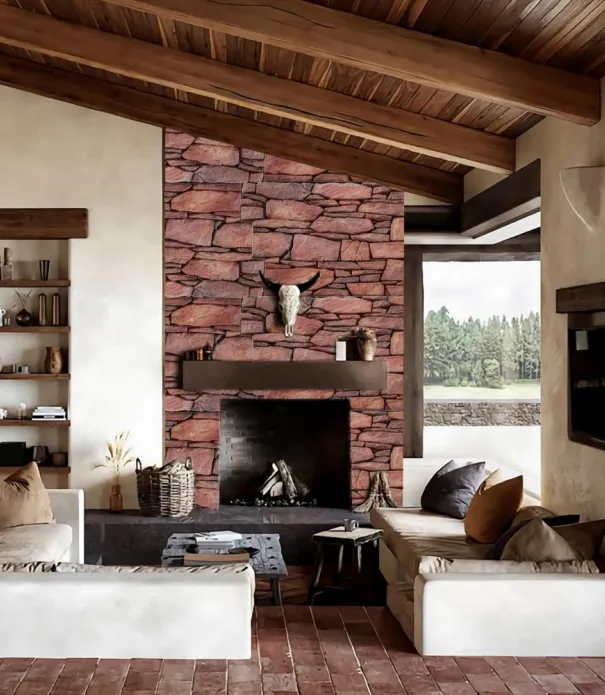
Still not convinced that PU stone wall panels are a greener choice? Let's put them head-to-head with some traditional building materials. The table below compares key sustainability metrics to see how they stack up.
| Material | Carbon Footprint (kg CO2/m²) | Recyclability | Energy Use in Production (kWh/m²) | Waste Generated (kg/m²) |
|---|---|---|---|---|
| Sustainable PU Stone Wall Panels | 5-8 | High (recyclable at end-of-life) | 12-15 | 0.5-1.0 |
| Natural Granite Stone | 25-30 | Low (difficult to recycle; often ends in landfills) | 40-50 | 8-10 (quarrying waste) |
| Concrete Panels | 18-22 | Medium (crushed for aggregate, but energy-intensive) | 30-35 | 3-5 |
| Traditional PVC Wall Panels | 10-12 | Low (often contains non-recyclable additives) | 18-20 | 2-3 |
The numbers speak for themselves: PU stone wall panels have a significantly lower carbon footprint, use less energy to produce, and generate far less waste than natural stone or concrete. And unlike traditional PVC, they're designed to be recycled, closing the loop on their lifecycle.
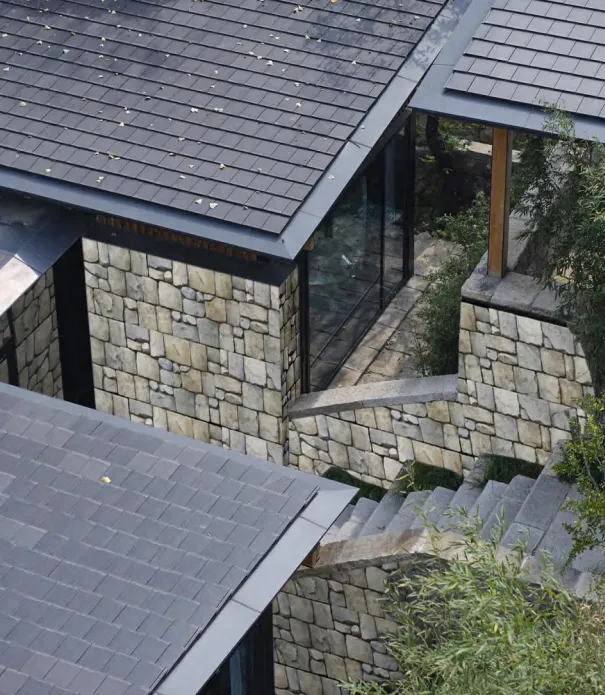
What sets a top sustainable PU stone wall panel supplier apart isn't just their focus on one product—it's their commitment to a broader vision of green building. Many offer a range of eco-friendly materials, from WPC (wood-plastic composite) wall panels to Class A fireproof CPL inorganic boards for hospitals and schools, ensuring that every corner of a project can be built sustainably.
WPC wall panels, made from a blend of recycled wood fibers and plastic, are another star in the sustainable lineup. Like PU panels, they're durable, moisture-resistant, and require minimal maintenance. For projects where a wood-like aesthetic is desired, WPC offers a renewable alternative to hardwood—without the deforestation. Many suppliers bundle PU and WPC panels into whole-house customization solutions , letting homeowners or builders mix and match materials to create cohesive, eco-friendly spaces.
For spaces like hospitals, schools, or senior living facilities, safety is non-negotiable. That's where Class A fireproof CPL inorganic boards come in. These panels are designed to resist fire spread, emit low smoke, and meet strict safety codes—all while being made with sustainable, non-toxic materials. A responsible supplier won't just sell you the boards; they'll work with you to ensure they fit your project's unique needs, proving that sustainability and safety can go hand in hand.
Numbers and processes are important, but nothing brings sustainability to life like real-world impact. Let's look at a few projects where PU stone wall panels from a leading supplier have made a difference—for both the environment and the people using the spaces.
"We were building a community center in Riyadh and wanted every part of it to reflect our commitment to sustainability. The PU stone wall panels we used on the exterior not only gave the building a warm, inviting look—they also cut our carbon footprint by 40% compared to using natural stone. Plus, the installation was so much faster, which saved us time and labor costs. It was a win-win." — Ahmed, Project Manager, Green Horizons Construction
"As a homeowner, I wanted my renovation to be beautiful but also kind to the planet. The supplier's whole-house customization solutions let me choose PU stone panels for the living room wall, WPC for the kitchen backsplash, and even eco-friendly flooring—all from one place. Now, I have a home that looks great and I feel good about." — Fatima, Riyadh Homeowner
As demand for green building materials grows, the sustainable PU stone wall panel supplier isn't resting on its laurels. Many are investing in R&D to make their panels even more eco-friendly—think panels that sequester carbon, or ones made with algae-based plastics. Others are exploring circular economy models, where old panels are collected, recycled, and turned into new ones, creating a closed-loop system that leaves almost no waste behind.
For builders, architects, and homeowners, this means more choices than ever to build sustainably. It means partnering with suppliers who see beyond profits to the bigger picture: a world where our buildings don't just stand on the planet—they support it.
Choosing a sustainable PU stone wall panel supplier isn't just about buying a product—it's about joining a movement. It's about saying that our buildings can be both beautiful and responsible, that durability and sustainability aren't opposites, and that every project—whether a small home renovation or a large commercial build—can make a difference.
So, the next time you're planning a building project, ask yourself: What footprint do I want to leave? If the answer is one that's light on the planet and heavy on purpose, look no further than the sustainable PU stone wall panel supplier. They're not just building materials—they're building a better future.
Recommend Products











