


Walk onto any modern construction site these days, and you'll notice a shift. It's not just about bricks, steel, and concrete anymore—though those still play a role. Today, there's a quiet urgency in the air: the need to build smarter, cleaner, and with the planet in mind. As cities grow, and as the global push for carbon neutrality gains momentum, every decision a builder, architect, or homeowner makes carries weight. From the foundation to the roof, each material contributes to a project's overall environmental impact. And one area that's often overlooked, yet critical, is the plumbing system—the veins that keep a building alive with water, heat, and energy.
You might be thinking, "Pipes? How much difference can a pipe make?" But here's the thing: traditional piping materials have long been a hidden culprit in unsustainable construction. Corrosion-prone metals that leach chemicals into water. PVC pipes that release toxic fumes during production and disposal. Short lifespans that mean frequent replacements, driving up waste and carbon emissions. For anyone serious about building a carbon-neutral project—whether it's a residential complex, a commercial office, or a public facility—ignoring the plumbing is like planting a tree and forgetting to water it. It undermines the entire vision.
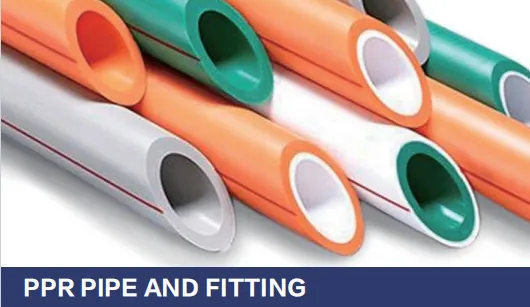
That's where sustainable alternatives come in. And among them, PPR (Polypropylene Random Copolymer) pipes and fittings have emerged as a game-changer. Lightweight, durable, and designed with sustainability at their core, PPR pipes are redefining what it means to build green. But to truly harness their potential, you need more than just a product—you need a partner: a ppr pipe and fitting supplier that understands not just pipes, but the bigger picture of carbon neutrality. A supplier that doesn't just sell materials, but delivers ppr pipe and fitting solutions tailored to your project's unique needs.










