
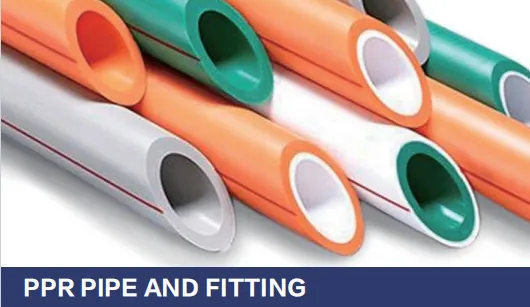
In the bustling world of construction, where every beam, tile, and pipe shapes the spaces we live, work, and heal in, there's a quiet revolution underway. It's not just about building taller or faster—it's about building smarter, more responsibly, and with a deep respect for the planet we call home. Today, we're diving into a material that's quietly redefining sustainability in modern construction: PPR pipes and fittings. And at the heart of this movement? A dedicated ppr pipe and fitting supplier committed to merging functionality with eco-consciousness, one pipe at a time.
Modern builds face a unique challenge: balancing durability, cost, and environmental impact. For decades, the industry relied on materials that got the job done but left a heavy footprint—think corroded steel pipes, PVC that leaches chemicals, or copper that's mined at great environmental cost. But as architects, builders, and homeowners wake up to the urgency of climate change, the demand for materials that check all three boxes has never been higher. Enter PPR (Polypropylene Random Copolymer) pipes: a game-changer that's proving sustainability and performance can go hand in hand.
Before we dive into PPR pipes, let's take a step back. Why does sustainability in building materials matter, anyway? It's easy to think of construction as a temporary process—dig, build, done. But the materials we choose today will live in our buildings for decades, maybe even centuries. Their production, use, and eventual disposal leave a trail of carbon emissions, waste, and resource depletion that impacts everything from local air quality to global temperature rise.
Consider this: traditional copper pipes, while durable, require mining—a process that scars landscapes, uses massive amounts of water, and releases toxic byproducts. PVC pipes, once hailed as a cheap alternative, can leach harmful chemicals into water systems and are notoriously hard to recycle. Steel, though strong, is prone to corrosion, leading to frequent replacements and more waste. For a world aiming to cut carbon emissions by 50% by 2030, these "business as usual" materials are no longer viable.
That's where a forward-thinking ppr pipe and fitting supplier comes in. By prioritizing sustainability in every step—from raw material sourcing to manufacturing to end-of-life disposal—they're not just selling pipes; they're selling a vision for a greener built environment. And PPR pipes are the cornerstone of that vision.
So, what makes PPR pipes different? Let's start with the basics. PPR is a type of plastic polymer known for its flexibility, heat resistance, and chemical inertness. But what truly sets it apart is its sustainability profile. Unlike PVC, which contains chlorine and can release dioxins when burned, PPR is free of harmful additives like lead, phthalates, or BPA. That means when used in water systems—whether in your home's kitchen or a hospital's emergency room—it ensures clean, safe water for drinking, cooking, and bathing.
But the eco-friendly benefits don't stop there. PPR pipes are lightweight, which reduces transportation emissions—trucks can carry more pipes per trip, cutting down on fuel use. Their smooth inner surface resists scaling and corrosion, meaning they last longer (up to 50 years, in fact) and require fewer replacements. Less replacement means less waste, less manufacturing, and fewer resources consumed over time. It's a ripple effect that adds up to big environmental wins.
And here's the kicker: PPR is fully recyclable. At the end of its long life, a PPR pipe can be melted down and repurposed into new products, diverting waste from landfills. For a ppr pipe and fitting supplier committed to circularity, this is non-negotiable. It's not just about selling a product; it's about closing the loop, ensuring that every pipe has a second life.
A truly great supplier doesn't just offer products—they offer solutions. And when it comes to ppr pipe and fitting solutions , the best in the business understand that every project is unique. Whether you're building a cozy family home, a bustling hospital, or a sprawling office complex, the needs for water distribution vary wildly. That's why top suppliers tailor their offerings to fit the specific demands of each build.
Take residential builds, for example. Homeowners want pipes that are quiet (no more clanging when the tap turns on!), resistant to high temperatures (perfect for hot water heaters), and easy to install (so contractors can finish the job faster, saving on labor costs). PPR pipes check all these boxes. Their flexibility means they can bend around corners without the need for excessive fittings, reducing the risk of leaks. And because they're heat-resistant (up to 95°C), they're ideal for both hot and cold water systems—no need for separate pipes for different uses.
Commercial projects, like hospitals and schools, have even stricter requirements. Think about it: a hospital can't afford a pipe leak that disrupts patient care or contaminates water. That's where PPR's chemical resistance shines. It won't react with cleaning agents, medications, or the minerals in water, ensuring a sterile, reliable system. Schools, too, benefit from PPR's lead-free composition—keeping drinking water safe for kids is non-negotiable. A ppr pipe and fitting supplier that specializes in commercial solutions will often offer pipes with additional certifications, like ISO 9001 for quality management or WRAS approval for water safety, giving builders peace of mind.
Industrial settings? PPR pipes handle that, too. From factories that need to transport hot liquids to greenhouses requiring precise irrigation, PPR's durability and versatility make it a go-to choice. And because it's lightweight, installing PPR in large industrial spaces is faster and more cost-effective than hauling heavy steel pipes—another win for both the budget and the environment.
Curious how PPR pipes measure up against the old standbys? Let's break it down. Below is a comparison of PPR with four common pipe materials, so you can see why more builders are making the switch.
| Material | Sustainability | Durability | Installation Ease | Cost (Lifetime) | Best For |
|---|---|---|---|---|---|
| PPR | Highly recyclable, low carbon footprint, lead-free | 50+ year lifespan, corrosion/scale resistant | Lightweight, flexible, heat-fused joints (no leaks) | Moderate upfront, low maintenance (best long-term value) | Residential, hospitals, schools, hot/cold water systems |
| PVC | Poor recyclability, may leach chemicals | 20-30 years, prone to brittleness in cold temps | Lightweight but rigid (more fittings needed) | Low upfront, high replacement costs | Drainage systems (not ideal for drinking water) |
| Copper | Mining is energy-intensive, recyclable but limited | 50+ years, prone to corrosion in acidic water | Heavy, requires soldering (skilled labor needed) | High upfront, high installation costs | Historic buildings, high-end residential (aesthetic preference) |
| Steel | High carbon footprint, recyclable but heavy (transport emissions) | 30-40 years, prone to rust and scaling | Very heavy, requires welding (time-consuming) | Moderate upfront, high maintenance (rust treatment) | Industrial applications (high pressure, not ideal for water) |
As the table shows, PPR isn't just sustainable—it's a practical, cost-effective choice for most modern builds. Its combination of longevity, ease of installation, and low environmental impact makes it a clear standout. And for a ppr pipe and fitting supplier that's passionate about sustainability, this isn't just a selling point; it's a promise.
What sets a great ppr pipe and fitting supplier apart from the rest? It's not just the quality of the pipes—it's the values that drive the business. The best suppliers don't see themselves as mere vendors; they see themselves as partners in building a greener future. That means going beyond the basics to ensure every step of the process aligns with sustainability goals.
Take manufacturing, for example. Leading suppliers invest in energy-efficient factories, using solar power or wind energy to reduce their carbon footprint. They source raw materials from suppliers who adhere to ethical mining and production practices, ensuring that even the plastic pellets used to make PPR pipes are responsibly sourced. Some even go a step further, offsetting their remaining emissions by investing in reforestation projects or renewable energy initiatives. It's a holistic approach that turns "greenwashing" into genuine action.
Education is another key piece. The best suppliers don't just sell you pipes—they teach you how to use them. They offer training programs for contractors on proper installation techniques, ensuring that PPR pipes perform at their best for decades. They provide resources for architects and builders on how PPR can help meet green building certifications like LEED or BREEAM, making it easier for projects to earn those coveted sustainability badges. After all, a pipe is only as good as the person installing it—and a supplier that invests in its customers' success is a supplier that lasts.
And let's not forget customer service. Building projects are stressful enough without worrying about material delays or faulty products. Top suppliers prioritize reliability, with streamlined ordering systems, on-time delivery, and responsive support teams that answer questions 24/7. When a builder is on a tight deadline, knowing their ppr pipe and fitting supplier has their back isn't just reassuring—it's invaluable.
Numbers and tables tell a story, but real-world examples bring it to life. Let's look at two projects that chose PPR pipes and fittings—and how the decision paid off.
Case Study 1: Green Valley Hospital, Riyadh
When Green Valley Hospital set out to build a state-of-the-art medical facility in Riyadh, sustainability was non-negotiable. The hospital aimed to achieve LEED Gold certification, which meant every material had to meet strict environmental and health standards. The plumbing team initially considered copper pipes, but concerns about corrosion (and the risk of water contamination in a hospital setting) led them to explore alternatives. That's when they connected with a local
ppr pipe and fitting supplier
.
The supplier recommended PPR pipes for the hospital's hot and cold water systems, citing their lead-free composition, chemical resistance, and ease of installation. The result? The hospital saved 15% on installation costs (thanks to faster labor) and reduced its carbon footprint by 20% compared to copper. Five years later, there have been zero leaks or pipe failures—a critical factor in a space where patient care can't be interrupted. "Choosing PPR was one of the best decisions we made," said the hospital's facilities manager. "It's not just about being green; it's about ensuring our patients have safe, reliable water—every single day."
Case Study 2: Maplewood Residential Complex, Jeddah
Maplewood, a 500-unit residential complex in Jeddah, wanted to attract eco-conscious buyers. The developer's pitch? "A home that's good for you and good for the planet." To back that up, they needed materials that were both sustainable and durable. After researching options, they partnered with a
ppr pipe and fitting supplier
to outfit all units with PPR hot/cold water systems.
Homeowners loved the quiet operation (no more noisy pipes!) and the peace of mind that came with lead-free water. The developer, meanwhile, saw a 10% increase in sales compared to their previous project, which used PVC pipes. "Buyers today ask about sustainability," said the project's sales director. "When we tell them we use PPR pipes that last 50 years and are fully recyclable, it's a selling point. It shows we're thinking about their future—and the planet's."
As the world continues to grapple with climate change, the demand for sustainable building materials will only grow. PPR pipes are poised to lead this charge, thanks to their unbeatable combination of durability, eco-friendliness, and cost-effectiveness. And at the center of this movement will be the ppr pipe and fitting supplier that doesn't just keep up with trends but sets them—investing in innovation, prioritizing sustainability, and partnering with builders to create spaces that stand the test of time.
Imagine a future where every new home, hospital, and school is built with materials that leave the planet better than they found it. A future where pipes don't just carry water—they carry hope for a greener, healthier world. That future is already here, and it's being built, one PPR pipe at a time.
So, to all the builders, architects, and homeowners out there: the next time you start a project, ask yourself: What kind of legacy do I want to leave? If it's one of sustainability, durability, and care for the planet, look no further than PPR pipes. And when you do, choose a supplier that shares your values—a supplier that sees every pipe as a step toward a better future. After all, great buildings aren't just made of materials. They're made of vision.
Recommend Products












