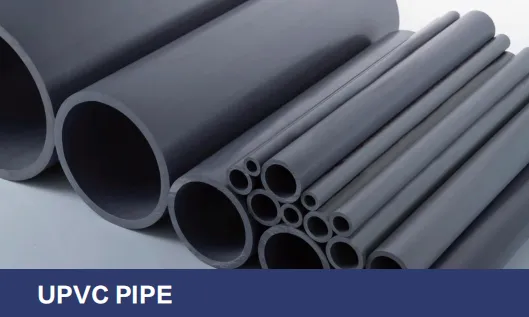
The Shift Toward Greener Building Practices
In recent years, the construction industry has undergone a quiet revolution. As climate change concerns take center stage and consumers grow more environmentally aware, "sustainability" has evolved from a buzzword to a core requirement in building projects. From residential homes to commercial skyscrapers, every aspect of construction is being reevaluated—including one often-overlooked component that plays a critical role in long-term environmental impact: plumbing systems.
Think about it: the pipes that carry water through our buildings, remove waste, and connect to municipal systems are the circulatory system of any structure. If those pipes are inefficient, prone to leaks, or made from materials with high carbon footprints, they can undermine even the most eco-friendly design. That's where sustainable plumbing solutions come in—and why UPVC (Unplasticized Polyvinyl Chloride) pipes have emerged as a leading choice for forward-thinking builders, architects, and homeowners.
In this article, we'll explore how
UPVC pipe solutions are transforming sustainable plumbing, why they're a smarter choice than traditional materials, and how partnering with the right
upvc pipe supplier can elevate your project's eco credentials without sacrificing performance. Whether you're building a family home, a commercial complex, or a healthcare facility, understanding the benefits of UPVC could be the key to aligning your project with both environmental goals and long-term practicality.
What Is UPVC, and Why Does It Matter for Sustainability?
Let's start with the basics: UPVC is a rigid, durable plastic pipe material made from polyvinyl chloride without the addition of plasticizers—chemicals that make regular PVC flexible but can leach over time. This "unplasticized" formulation gives UPVC its signature strength, making it ideal for high-pressure applications like water supply and drainage. But what truly sets UPVC apart in the sustainability conversation is how it's made and how it performs over its lifetime.
Modern upvc pipe suppliers prioritize eco-friendly manufacturing processes. Unlike metal pipes, which require energy-intensive mining and refining, UPVC production uses relatively low temperatures and fewer resources. Many suppliers now power their factories with renewable energy, further reducing the carbon footprint of each pipe. Additionally, UPVC's lightweight nature means less fuel is needed for transportation—cutting emissions from delivery trucks and simplifying on-site handling for construction crews.
But the sustainability story doesn't end at production. UPVC pipes are designed to last. With a lifespan of 50+ years (and often longer with proper installation), they outlive many traditional materials like galvanized steel or even copper. This longevity translates to fewer replacements, less waste in landfills, and reduced demand for raw materials over time. For eco-conscious projects, that's a win-win: lower environmental impact
and
lower long-term costs.
The Top Benefits of UPVC Pipe Solutions for Eco-Conscious Projects
UPVC pipes aren't just sustainable by accident—they're engineered to address the most pressing environmental and practical challenges in plumbing. Let's break down why they've become a go-to choice for builders aiming to reduce their projects' ecological footprints:
1. Unmatched Durability = Less Waste
One of the biggest environmental sins in construction is "planned obsolescence"—materials that wear out quickly and need replacement. UPVC pipes laugh in the face of that. Resistant to corrosion, rust, and chemical degradation, they stand up to harsh water conditions (whether acidic, alkaline, or mineral-heavy) and temperature fluctuations. In residential settings, this means you won't be ripping out old pipes and sending them to landfills every 15–20 years. In commercial buildings, where plumbing systems are under constant stress, UPVC's durability reduces maintenance disruptions and material waste.
2. Lightweight Design = Lower Carbon Emissions
Imagine hauling heavy copper or steel pipes up the side of a high-rise building. The fuel burned by cranes, the labor hours, the risk of damage during transport—all of these add up to a bigger carbon footprint. UPVC pipes weigh up to 70% less than metal alternatives, making them easier to transport, lift, and install. A typical residential project using UPVC can cut transportation emissions by 30% compared to traditional materials, according to industry studies. For large-scale commercial projects, the savings are even more significant.
3. Smooth Interior = Energy Efficiency
Here's a hidden sustainability benefit: UPVC pipes have an ultra-smooth inner surface that reduces friction as water flows through them. Less friction means pumps don't have to work as hard to move water, lowering energy consumption. In buildings with hot water systems or irrigation setups, this can translate to noticeable savings on utility bills over time. For example, a hotel using UPVC for its plumbing might see a 10–15% reduction in energy use for water circulation—proof that sustainability and efficiency go hand in hand.
4. Recyclable and Recycled = Circular Economy Support
When a UPVC pipe finally reaches the end of its life (decades from now), it doesn't have to become trash. Many upvc pipe suppliers now offer recycling programs, where old pipes are ground down and repurposed into new products—from pipe fittings to construction accessories. Some suppliers even use recycled content in their new pipes, closing the loop on the material lifecycle. This commitment to circularity is a far cry from materials like copper, which lose quality when recycled, or galvanized steel, which often ends up in landfills.
5. Low Maintenance = Fewer Chemicals
Traditional metal pipes often require regular treatments with harsh chemicals to prevent corrosion or scale buildup. UPVC? Not so much. Its non-porous surface resists bacterial growth and mineral deposits, meaning you can skip the chemical cleaners and descaling agents. For hospitals, schools, and homes with eco-conscious occupants, this is a game-changer—it reduces the release of harmful substances into water systems and creates healthier indoor environments.
UPVC Pipes in Action: Applications Across Project Types
UPVC's versatility makes it suitable for nearly every plumbing need, from residential bathrooms to industrial facilities. Let's explore how
upvc pipe solutions and related products like
pvc dwv pipe solutions are making a difference in real-world projects:
Residential Plumbing: DWV Systems and Water Supply
In homes, UPVC truly shines in Drain-Waste-Vent (DWV) systems—the pipes that carry away wastewater and vent sewer gases.
Pvc dwv pipe solutions are designed to handle high flow rates and resist clogs, thanks to their smooth interiors. Homeowners benefit from quieter drains (UPVC dampens sound better than metal) and fewer backups, while builders appreciate how quickly DWV systems can be installed with UPVC's lightweight, easy-to-cut pipes. For water supply lines, UPVC's resistance to corrosion ensures clean, safe drinking water for decades—no leaching of metals or contaminants into the tap.
Commercial Buildings: High-Rises, Hotels, and Malls
In commercial settings, where plumbing systems are complex and demand is high, UPVC's durability and efficiency are critical. High-rise buildings, for example, rely on UPVC's strength to withstand water pressure from upper floors, while hotels and malls use it in everything from kitchen plumbing to sprinkler systems. Some commercial projects even combine
upvc pipe solutions with
ppr pipe and fitting supplier products for specialized applications, but UPVC remains the backbone for most main lines due to its cost-effectiveness and low maintenance.
Healthcare and Education: Hygiene and Safety First
Hospitals and schools have zero tolerance for plumbing failures. That's why many facility managers turn to UPVC. Its non-porous surface prevents mold and bacterial growth, a must in environments where cleanliness is life-saving. Additionally, UPVC pipes are often used in conjunction with Class A fireproof materials (like the
Class A fireproof cpl inorganic board for hospital and school supplier products mentioned earlier), creating systems that meet strict safety codes while maintaining sustainability goals. For example, a children's hospital in Chicago recently upgraded its plumbing to UPVC, reducing infection risks and cutting water waste from leaks by 40%.
Industrial and Agricultural Use: Chemical Resistance and Reliability
Beyond buildings, UPVC pipes are workhorses in industrial settings. Factories use them to transport chemicals, wastewater, and coolants, thanks to their resistance to corrosive substances. Farms rely on UPVC for irrigation systems, where durability and low maintenance are essential in remote locations. Even in harsh climates—from the deserts of Saudi Arabia to the cold of Northern Europe—UPVC holds up, making it a global solution for sustainable infrastructure.
How UPVC Stacks Up Against Other Pipe Materials: A Sustainability Comparison
To truly understand UPVC's sustainability edge, it helps to see how it compares to other common pipe materials. Let's break down the key factors—from carbon footprint to recyclability—in the table below:
|
Material
|
Production Carbon Footprint
|
Typical Lifespan
|
Recyclability
|
Maintenance Requirements
|
Water Efficiency
|
|
UPVC
|
Low (energy-efficient manufacturing)
|
50+ years
|
High (recyclable into new pipes/fittings)
|
Minimal (no corrosion or scaling)
|
High (smooth interior reduces friction loss)
|
|
Copper
|
Very High (mining and smelting require massive energy)
|
20–50 years (prone to corrosion in hard water)
|
Medium (recyclable but loses quality over time)
|
High (requires anti-corrosion treatments)
|
Medium (rough interior can reduce flow over time)
|
|
Galvanized Steel
|
High (steel production is energy-intensive)
|
15–30 years (rusts easily)
|
Medium (recyclable but heavy, increasing transport emissions)
|
Very High (frequent rust removal, replacements)
|
Low (prone to clogs from rust flakes)
|
|
PPR (Polypropylene Random Copolymer)
|
Medium (similar to UPVC but with higher processing temps)
|
40–50 years
|
Low (limited recycling options for post-consumer PPR)
|
Low (but less durable than UPVC in extreme temps)
|
High (smooth interior, similar to UPVC)
|
As the table shows, UPVC outperforms traditional materials in nearly every sustainability category. Its low production footprint, long lifespan, and high recyclability make it a clear choice for eco-conscious projects. Even compared to PPR—a popular plastic alternative—UPVC's superior durability and recycling potential give it the edge for long-term environmental impact.
Case Studies: UPVC Pipes in Sustainable Projects
Numbers and specs tell part of the story, but real-world examples show how UPVC is transforming sustainability on the ground. Here are three projects where
upvc pipe solutions made a measurable difference:
Case Study 1: Green Residential Complex in Riyadh, Saudi Arabia
A leading
saudi arabia building materials supplier partnered with a local developer to build a 500-unit eco-friendly housing complex in Riyadh. The project aimed to reduce water and energy use by 30% compared to standard buildings. Central to this goal was the choice of UPVC for all DWV and water supply systems. By using
pvc dwv pipe solutions and
upvc pipe solutions, the construction team cut installation time by 25% (thanks to lightweight pipes) and reduced transportation emissions by 40% compared to a similar steel-piped project. Today, residents enjoy lower utility bills, and the developer reports zero pipe replacements needed in the first 10 years—proof that sustainability can also boost profitability.
Case Study 2: LEED-Certified Hospital in Berlin, Germany
A new children's hospital in Berlin set out to achieve LEED Platinum certification, the highest sustainability standard for buildings. To meet strict hygiene and efficiency requirements, the facility's plumbing team chose UPVC pipes for water supply and drainage. Combined with
Class A fireproof cpl inorganic board for hospital and school supplier products in walls and ceilings, the system ensured safety while minimizing environmental impact. Post-construction, audits showed the hospital's plumbing used 28% less energy than projected (due to UPVC's low friction loss) and reduced water waste by 35%—critical in a facility where clean water is a medical necessity.
Case Study 3: Sustainable Office Park in Singapore
An office park in Singapore wanted to showcase green design to attract eco-minded tenants. The developers opted for UPVC pipes throughout the complex, including rainwater harvesting systems and cooling tower loops. By working with a local
upvc pipe supplier that prioritized recycled materials, they ensured 30% of the pipe content came from post-consumer waste. The result? The park achieved Singapore's Green Mark Platinum certification, and tenants reported 15% lower utility costs compared to their previous offices. Today, it's a model for how commercial real estate can balance sustainability with tenant satisfaction.
Choosing the Right UPVC Pipe Supplier: What to Look For
Not all UPVC pipes are created equal—and neither are all suppliers. To ensure your project truly benefits from sustainable plumbing, it's critical to partner with a supplier that shares your environmental values. Here's what to consider when selecting an
upvc pipe supplier or
pvc dwv pipe supplier:
1. Certifications and Quality Standards
Look for suppliers with certifications like ISO 9001 (quality management) and ISO 14001 (environmental management). These labels indicate a commitment to consistent quality and eco-friendly practices. For healthcare or food industry projects, additional certifications like NSF/ANSI 61 (for drinking water safety) are a must. A reputable supplier will happily share their certification documents—if they hesitate, that's a red flag.
2. Sustainability Practices
Ask about the supplier's manufacturing process. Do they use renewable energy? Do they recycle waste from production? What's their take-back program for old pipes? Some leading suppliers now publish annual sustainability reports, detailing their carbon footprint, water usage, and recycling rates. For example, a European
upvc pipe supplier might highlight how they've reduced emissions by switching to solar power, while a Saudi Arabian supplier could emphasize water conservation in production—both critical for region-specific sustainability goals.
3. Range of Solutions
A great supplier offers more than just pipes—they provide end-to-end solutions. Look for companies that carry a full line of
upvc pipe solutions,
pvc dwv pipe solutions, and related fittings (valves, connectors, etc.). This ensures compatibility across your project and simplifies ordering. Bonus points if they offer custom solutions, like pipes designed for unique commercial or industrial needs.
4. Technical Support and Expertise
Sustainable plumbing isn't just about materials—it's about proper installation. Choose a supplier that provides technical support, from helping you select the right pipe size to offering training for your construction team. A supplier with in-house engineers can also help optimize your plumbing design for maximum efficiency, reducing waste and improving performance.
The Future of Sustainable Plumbing: Why UPVC Will Lead the Way
As the world continues to prioritize sustainability, plumbing systems will only grow in importance. Water scarcity, climate change, and stricter building codes are pushing the industry to innovate—and UPVC is poised to be at the forefront of that innovation. Here's why:
First, UPVC's recyclability will become even more critical as circular economy models gain traction. Imagine a future where old UPVC pipes are collected, recycled, and turned into new ones with minimal energy loss—a closed-loop system that drastically reduces reliance on virgin plastics. Forward-thinking upvc pipe suppliers are already investing in this technology, making it a reality within the next decade.
Second, UPVC will play a key role in smart plumbing systems. As buildings become more connected, pipes embedded with sensors (to detect leaks, monitor flow, and optimize water use) will become standard. UPVC's durability makes it the perfect host for these technologies—resistant to damage from sensors and able to integrate seamlessly with digital systems.
Finally, UPVC's versatility will help it adapt to emerging construction trends. From net-zero homes to vertical farms, sustainable building projects require plumbing solutions that can keep up with new designs. UPVC's lightweight, flexible (in terms of application, not physical flexibility) nature makes it ideal for these innovative spaces, where traditional materials might fail.
Conclusion: Building a Greener Future, One Pipe at a Time
Sustainable plumbing isn't an afterthought—it's a cornerstone of responsible building. As we've explored,
UPVC pipe solutions offer a powerful combination of durability, efficiency, and eco-friendliness that's hard to match with traditional materials. From residential DWV systems to large-scale commercial projects, UPVC is proving that sustainability and performance can go hand in hand.
Whether you're a homeowner upgrading your plumbing, a developer aiming for LEED certification, or a facility manager focused on long-term efficiency, the choice is clear: partnering with a trusted
upvc pipe supplier and leveraging solutions like
upvc pipe solutions and
pvc dwv pipe solutions is one of the most impactful steps you can take toward a greener project.
At the end of the day, sustainable plumbing is about more than pipes—it's about building a world where our structures support both people and the planet. With UPVC leading the way, that future is closer than we think.