
Buildings are more than just walls and roofs—they're the backdrop to our lives. They shelter our homes, power our workplaces, and nurture our communities. But in a world grappling with climate change, the way we build matters more than ever. Green construction isn't a trend; it's a promise to future generations: to create spaces that thrive without draining the planet. At the heart of this promise are the suppliers who provide the materials that make sustainable buildings possible. Today, we're shining a light on a critical player in this ecosystem: the sustainable plastic valve system supplier. These aren't just vendors—they're partners, crafting solutions that turn green goals into tangible, everyday reality.
Walk into any modern construction site, and you'll notice a shift. Gone are the days when "efficiency" meant cutting costs at the expense of the environment. Today, builders, architects, and developers are measured by their commitment to net-zero carbon, energy efficiency, and resource conservation. Global initiatives like LEED (Leadership in Energy and Environmental Design), BREEAM (Building Research Establishment Environmental Assessment Method), and the UN's Sustainable Development Goals have turned green building from a niche concept into a global standard.
But here's the truth: even the most ambitious green design falls flat without the right materials. Plumbing systems, for example, are the circulatory system of any building—they deliver water, manage waste, and ensure safety. Traditional materials like galvanized steel or non-recyclable plastics can leach chemicals, corrode quickly, or end up in landfills after a short lifespan. That's where sustainable suppliers step in. A forward-thinking plastic valve system supplier doesn't just sell products; they engineer solutions that align with the planet's needs, from manufacturing to installation to disposal.
Consider this: the construction industry accounts for 39% of global carbon emissions, according to the World Green Building Council. A significant portion of that comes from material production and transportation. By choosing suppliers who prioritize sustainability, builders can slash their projects' carbon footprints. It's not just about "being green"—it's about building smarter, more resilient structures that stand the test of time while respecting the limits of our planet.
Sustainability isn't a label you slap on a product; it's a mindset that runs through every stage of a supplier's operations. For a plastic valve system supplier to truly support green construction, they must excel in three key areas: materials, manufacturing, and lifecycle responsibility.
1. Materials: Beyond "Plastic" – Toward Circularity
Not all plastics are created equal. A sustainable supplier starts by rethinking raw materials. Many now use recycled content—post-consumer or post-industrial plastic waste that would otherwise clog landfills. For example, some upvc pipe suppliers blend recycled PVC into their products without compromising strength, reducing reliance on virgin plastic. Others opt for bio-based plastics derived from renewable resources like sugarcane, cutting down on fossil fuel use.
Low-VOC (Volatile Organic Compound) materials are another must. Traditional plastics can release harmful chemicals into the air, affecting indoor air quality. Sustainable suppliers prioritize formulations that meet strict emissions standards, ensuring buildings are not just green outside, but healthy inside too.
2. Manufacturing: Efficiency That Saves Energy (and the Planet)
The way products are made matters as much as what they're made of. A responsible plastic valve system supplier invests in energy-efficient factories—think solar panels on rooftops, LED lighting, and machinery that minimizes waste. Some even use closed-loop water systems, recycling process water to reduce consumption. Waste reduction is key, too: by optimizing production lines, suppliers can cut down on scrap plastic, which is then repurposed or recycled instead of discarded.
3. Lifecycle Responsibility: Building for Longevity
A sustainable product isn't just eco-friendly to make—it's designed to last. Plastic valve systems, for instance, are engineered to resist corrosion, chemical damage, and wear, extending their lifespan from 10-15 years to 50+ years. This reduces the need for frequent replacements, cutting down on material waste and the carbon emissions associated with manufacturing new products. Many suppliers also offer take-back programs, ensuring old pipes and valves are recycled at the end of their life, closing the loop on the circular economy.
Sustainability isn't one-size-fits-all. Different building types—hospitals, schools, residential complexes, commercial towers—have unique needs, and suppliers must adapt. Let's dive into some of the key products that are driving green construction forward, and how suppliers are innovating to meet demand.
| Product Category | Key Supplier Focus | Sustainability Features | Ideal Applications |
|---|---|---|---|
| Plastic Valve Systems | plastic valve system supplier |
– Corrosion-resistant, reducing replacement needs
– Recyclable materials (up to 30% recycled content) – Lead-free design for safe drinking water |
Residential plumbing, commercial HVAC systems, water treatment plants |
| PVC Well Casing & Screen Pipes | pvc well casing and screen pipes supplier |
– Lightweight design cuts transportation emissions
– Smooth interior reduces energy use in water pumping – Chemical-resistant, ensuring long-term groundwater protection |
Agricultural irrigation, municipal water wells, environmental monitoring |
| UPVC Pipes | upvc pipe supplier |
– Zero heavy metal additives
– High flow rates reduce pump energy consumption – 100% recyclable at end-of-life |
Potable water distribution, drainage systems, industrial fluid transport |
| PPR Pipe & Fittings | ppr pipe and fitting supplier |
– Heat-resistant (ideal for hot water systems, reducing heat loss)
– Fusion-welded joints eliminate leaks, saving water – Made with, safe for drinking water |
Hospitals, schools, high-rise residential buildings, hotels |
Plastic Valve Systems: The Unsung Heroes of Water Efficiency
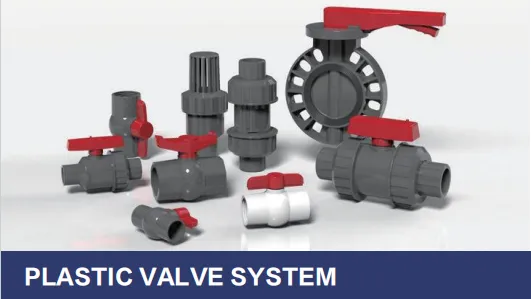
Think about how often you use water in a day—brushing your teeth, washing dishes, flushing the toilet. Every drop flows through a valve, making these small components critical to water conservation. A sustainable plastic valve system supplier designs products that minimize leaks, a major source of water waste in buildings. For example, quarter-turn ball valves made from recyclable polypropylene offer a tight seal, reducing water loss by up to 50% compared to traditional gate valves. In commercial buildings, where water usage can top millions of gallons annually, this adds up to significant savings—for both the planet and the bottom line.
PVC Well Casing & Screen Pipes: Protecting Water Resources
Access to clean water is a global challenge, and sustainable water management starts underground. A pvc well casing and screen pipes supplier plays a vital role here. PVC well casings are used to line wells, preventing contamination from soil or bacteria. Unlike metal casings, PVC is corrosion-free, ensuring water remains pure for decades. Screen pipes, with their precision-engineered slots, filter out sediment while maximizing water flow, reducing the energy needed to pump water to the surface. In agricultural regions, this means farmers can irrigate crops efficiently without depleting aquifers—an essential step toward food security in a changing climate.
UPVC Pipes: Durability Meets Eco-Friendliness
UPVC (Unplasticized Polyvinyl Chloride) pipes have long been a staple in plumbing, but today's upvc pipe supplier is reimagining them for sustainability. Modern UPVC pipes are made without phthalates or lead, making them safe for drinking water. Their smooth inner surface reduces friction, allowing water to flow with less pressure—lowering the energy required to pump it. In fact, studies show that UPVC pipes can reduce pumping energy costs by up to 20% compared to concrete pipes. And because they're lightweight, transporting UPVC pipes emits 30% less CO2 than transporting steel pipes, shrinking the product's carbon footprint from factory to site.
PPR Pipe & Fittings: Safe, Efficient, and Green
For hot water systems—think hospitals, schools, and residential buildings—PPR (Polypropylene Random Copolymer) pipes are a game-changer. A ppr pipe and fitting supplier focuses on heat resistance; PPR pipes can withstand temperatures up to 95°C, making them ideal for central heating and hot water lines. What's sustainable about this? PPR's heat retention reduces the need for constant reheating, cutting energy use. Additionally, PPR fittings use fusion welding, creating seamless joints that prevent leaks—a common issue with traditional threaded fittings. In schools, where safety is paramount, PPR pipes' non-toxic, lead-free composition ensures children are never exposed to harmful chemicals.
King Faisal Specialist Hospital in Riyadh, Saudi Arabia, wanted to reduce its carbon footprint while ensuring the highest safety standards for patients. The hospital's plumbing system needed to handle high-temperature water for sterilization, while also minimizing energy use. They turned to a ppr pipe and fitting supplier with a focus on sustainability.
The supplier provided PPR pipes with 20% recycled content, fusion-welded to eliminate leaks. The pipes' heat resistance meant the hospital could reduce water heater runtime by 15%, cutting annual energy costs by $45,000. Additionally, the lead-free design met strict healthcare regulations, ensuring patients and staff had access to safe drinking water. Three years later, the system has required zero replacements, proving that sustainability and durability can go hand in hand.
Dubai's "Green Valley" residential complex aimed to be the first LEED Platinum-certified community in the UAE. With 500+ apartments, water conservation was a top priority. The developers partnered with a plastic valve system supplier to install low-flow valves and leak-resistant piping throughout the complex.
The supplier's quarter-turn ball valves, made from 25% recycled plastic, were installed in every unit. Smart sensors connected to the valves monitored water flow, alerting maintenance staff to leaks in real time. In the first year, Green Valley reduced water usage by 30%—saving 1.2 million gallons annually. Residents reported lower utility bills, and the project's LEED certification boosted property values, showing that sustainable choices can benefit both the environment and the community.
The sustainable building movement is evolving, and suppliers are keeping pace with groundbreaking innovations. Here are three trends to watch:
1. Smart Valves for Water Intelligence
Imagine a valve that learns a building's water usage patterns and adjusts flow automatically—reducing waste during off-peak hours. Some plastic valve system suppliers are integrating IoT (Internet of Things) sensors into their products, allowing real-time monitoring of water pressure, temperature, and flow. In hotels, this could mean reducing water use in unoccupied rooms by 40%. These "smart valves" not only save water but also provide data to optimize building operations, making sustainability measurable.
2. Bio-Based Plastics: The Next Frontier
While recycled plastic is a step forward, some suppliers are exploring bio-based alternatives. For example, PPR pipes made from plant-derived polymers (like sugarcane or cornstarch) have a carbon footprint 60% lower than traditional PPR. A ppr pipe and fitting supplier testing this technology reports that bio-based pipes perform as well as petroleum-based ones, with the added benefit of being fully biodegradable at the end of their lifecycle. It's early days, but bio-plastics could revolutionize the industry.
3. Circular Economy Partnerships
Sustainability doesn't end when a product is installed. Forward-thinking suppliers are teaming up with recycling companies to create take-back programs. For example, an upvc pipe supplier in Europe now offers builders a discount on new pipes if they return old ones for recycling. The recycled PVC is then used to make new well casings or drainage pipes, closing the loop. This not only reduces waste but also creates a stable supply of recycled material, lowering reliance on virgin plastic.
With so many suppliers claiming to be "sustainable," how do you separate greenwashing from the real deal? Here are four questions to ask:
1. What certifications do your products have?
Look for third-party certifications like ISO 14001 (environmental management), LEED v4 (for building materials), or WRAS (Water Regulations Advisory Scheme) for plumbing products. These ensure the supplier's claims are backed by independent audits.
2. Can you share your carbon footprint?
A transparent supplier will have data on their products' lifecycle carbon emissions, from raw material extraction to shipping. Some even offer carbon offset programs to neutralize remaining emissions.
3. How do you handle waste in manufacturing?
Ask about waste reduction targets, recycling programs, and whether they use renewable energy in factories. A supplier with a zero-waste-to-landfill goal is serious about sustainability.
4. Do you offer technical support for green installations?
Sustainable products often require specialized installation (e.g., fusion welding for PPR pipes). A good supplier will provide training or on-site support to ensure products perform as intended, maximizing their environmental benefits.
Sustainable construction isn't just about grand designs or high-tech gadgets. It's about the choices we make every day—the materials we use, the suppliers we partner with, and the legacy we leave behind. A plastic valve system supplier, a pvc well casing and screen pipes supplier, an upvc pipe supplier, a ppr pipe and fitting supplier—these are the unsung heroes of the green building movement. They're proving that sustainability doesn't require sacrifice; it requires innovation, collaboration, and a commitment to doing better.
As we look to the future, one thing is clear: the buildings of tomorrow will be defined by their ability to coexist with the planet. And behind every such building, there will be a supplier who didn't just sell a product—they helped build a better world. For builders, architects, and developers, the message is simple: choose suppliers who share your green goals. Together, we can turn every construction site into a promise kept.
Recommend Products












