
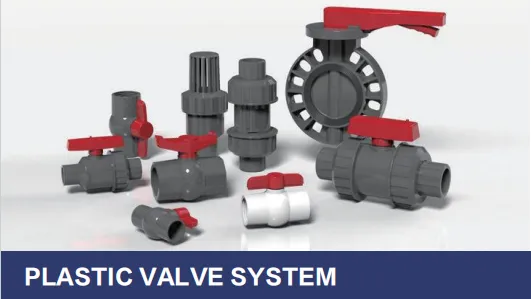
In an era where every industry is redefining its relationship with the planet, the construction and building materials sector stands at the forefront of this transformation. Today's clients—whether they're residential developers, commercial project managers, or healthcare facility planners—aren't just looking for products that work; they're demanding solutions that align with their sustainability goals. As a plastic valve system supplier , this shift isn't just a trend to follow—it's an opportunity to lead, innovate, and build lasting trust with clients who care as much about the environment as they do about performance.
Plastic valve systems have long been valued for their durability, corrosion resistance, and cost-effectiveness. But in 2025, "good enough" no longer cuts it. Clients want to know: Where do these materials come from? How are they made? Can they be recycled? And what impact do they have on the planet over their lifecycle? This guide dives into the world of sustainable materials in plastic valve systems, exploring how suppliers can integrate eco-friendly practices, the benefits for both your business and your clients, and the emerging trends shaping the future of green building solutions. Whether you're a seasoned plastic valve system solutions provider or just starting to prioritize sustainability, there's something here to help you turn environmental responsibility into a competitive edge.
Before we jump into specific materials, let's clarify what "sustainability" really means in the context of plastic valve systems. It's not just about using "green" buzzwords—it's a holistic approach that spans the entire product lifecycle: from raw material sourcing and manufacturing to installation, use, and end-of-life disposal. For a valve system to earn the "sustainable" label, it should tick several boxes:
1. Low-Impact Raw Materials: This includes recycled plastics, bio-based polymers, or materials derived from renewable resources (think plant-based resins instead of fossil fuels). The goal is to reduce reliance on virgin plastics, which require significant energy to extract and process.
2. Energy-Efficient Manufacturing: Sustainable production processes minimize carbon emissions, water usage, and waste. This might involve using solar power in factories, recycling water during production, or optimizing machinery to cut energy consumption.
3. Longevity and Durability: A valve that lasts 20 years instead of 10 reduces the need for frequent replacements, lowering the overall environmental footprint. Corrosion-resistant materials, leak-proof designs, and robust construction all play into this.
4. Recyclability or Biodegradability: At the end of its life, the valve should be either recyclable (so its materials can be repurposed into new products) or biodegradable (breaking down naturally without releasing harmful toxins).
5. Low Maintenance and Operational Efficiency: Valves that require less upkeep (e.g., no need for toxic coatings or frequent repairs) and optimize resource use (like reducing water or energy waste through precise flow control) add another layer of sustainability.
When all these elements come together, a plastic valve system isn't just a component—it's a statement. It tells clients that as a supplier, you're committed to more than just profits; you're invested in building a future where construction and conservation go hand in hand.
Now, let's get into the materials themselves. Today's plastic valve system supplier has more eco-friendly options than ever before, each with unique benefits for specific applications. Below are the most promising materials driving sustainability in the industry:
UPVC has long been a staple in plumbing and construction for its strength, chemical resistance, and affordability. But traditional UPVC is made from virgin plastic, which comes with a high carbon footprint. Enter recycled UPVC —a game-changer for sustainability. By repurposing post-consumer or post-industrial plastic waste (like old pipes, window frames, or packaging), suppliers can reduce reliance on fossil fuels and divert plastic from landfills.
Recycled UPVC retains the same mechanical properties as virgin UPVC, making it ideal for valves used in water supply systems, drainage, and irrigation. It's also highly durable, with a lifespan of 50+ years, meaning fewer replacements and less waste over time. For upvc pipe suppliers and valve suppliers alike, integrating recycled UPVC into product lines is a low-risk, high-reward way to boost sustainability credentials.
PPR is another popular material for plumbing systems, prized for its heat resistance and flexibility. Traditional PPR is derived from petroleum, but bio-based PPR flips the script by using plant-based feedstocks like sugarcane, corn, or vegetable oils. These renewable resources reduce the material's carbon footprint by up to 30% compared to virgin PPR, according to industry studies.
Bio-based PPR valves are particularly well-suited for hot and cold water systems in residential and commercial buildings. They're also compatible with ppr pipe and fitting suppliers looking to offer end-to-end eco-friendly plumbing solutions. The best part? Bio-based PPR doesn't compromise on performance—it's still resistant to scaling, corrosion, and high temperatures, making it a reliable choice for clients who want sustainability without sacrificing quality.
Polyethylene (PE) valves are known for their flexibility and toughness, often used in irrigation, gas distribution, and industrial applications. But not all PE is created equal. PE made from sugarcane ethanol (a renewable resource) is revolutionizing the industry. Sugarcane absorbs CO2 as it grows, offsetting the emissions produced during manufacturing—a process that results in a "carbon-negative" material in some cases.
Sugarcane-based PE valves are also fully recyclable, closing the loop on the circular economy. For suppliers, this material appeals to clients with strict carbon-neutrality goals, such as government projects or LEED-certified buildings. It's a tangible way to show that your plastic valve system solutions are aligned with global efforts to combat climate change.
HDPE is valued for its strength-to-weight ratio and chemical resistance, making it a top choice for industrial valves, chemical processing systems, and wastewater management. Recycled HDPE (rHDPE) takes plastic waste—like milk jugs, detergent bottles, and industrial containers—and transforms it into high-performance valve components. The recycling process for HDPE is energy-efficient, requiring 70% less energy than producing virgin HDPE, which translates to lower carbon emissions.
rHDPE valves are also incredibly durable, with a lifespan of 50+ years, and can be recycled again at the end of their use. For suppliers targeting industrial clients, rHDPE is a compelling selling point: it meets strict performance standards while demonstrating a commitment to reducing plastic pollution.
| Material | Sustainability Features | Key Applications | Benefits for Suppliers |
|---|---|---|---|
| Recycled UPVC | Made from post-consumer/industrial plastic waste; 50+ year lifespan; recyclable | Water supply, drainage, irrigation | Low cost; high demand from residential developers; compatible with existing UPVC pipe systems |
| Bio-Based PPR | Plant-based feedstocks (sugarcane, corn); 30% lower carbon footprint than virgin PPR | Hot/cold water systems, residential/commercial plumbing | Attracts eco-conscious clients; pairs well with ppr pipe and fitting suppliers for full-system solutions |
| Sugarcane Ethanol PE | Carbon-negative production; renewable resource; fully recyclable | Irrigation, gas distribution, industrial systems | Meets carbon-neutrality goals; ideal for government/LEED projects |
| Recycled HDPE | 70% less energy to produce than virgin HDPE; 50+ year lifespan; recyclable | Industrial valves, chemical processing, wastewater | Appeals to industrial clients; reduces waste disposal costs |
At this point, you might be wondering: "Is investing in sustainable materials worth the effort?" The short answer: yes. Here's why sustainability isn't just good for the planet—it's good for your bottom line, too.
Today's clients are doing their homework. They're asking for sustainability reports, material certifications, and proof of eco-friendly practices before signing contracts. By positioning yourself as a plastic valve system supplier with a strong sustainability focus, you'll stand out in a crowded market. For example, a hospital project requiring Class A fireproof materials (like the ones used in healthcare facilities) might also prioritize low-VOC, recyclable valves to align with their green building goals. By offering such options, you become more than a supplier—you become a partner in their mission.
Governments worldwide are cracking down on plastic waste and carbon emissions. The EU's Circular Economy Action Plan, for instance, mandates that 55% of plastic packaging be recycled by 2030, and similar regulations are emerging in the Middle East, Asia, and the Americas. By proactively adopting sustainable materials, you'll avoid costly fines and delays down the line. You'll also be ready to adapt to future regulations, giving you a competitive edge over suppliers slow to evolve.
While sustainable materials may have slightly higher upfront costs, they often lead to long-term savings. For example, recycled plastics can lower raw material expenses once supply chains are established. Durable materials like recycled UPVC and bio-based PPR also reduce warranty claims and replacement costs, improving profit margins over time. Additionally, energy-efficient manufacturing processes (like using solar power in factories) cut utility bills, further boosting your bottom line.
Sustainability isn't just a selling point—it's a values statement. Clients want to work with suppliers who share their commitment to the planet. By being transparent about your materials (e.g., publishing carbon footprint reports, highlighting recycled content percentages), you'll build trust. Over time, this trust translates to loyalty: clients are more likely to return to a supplier who helped them meet their sustainability goals, even if competitors offer slightly lower prices.
Still on the fence? Let's look at two real-world examples of how plastic valve system solutions with sustainable materials have delivered results for suppliers and clients alike.
A leading Saudi Arabian building materials supplier partnered with a plastic valve system supplier to construct a 500-unit residential complex in Riyadh. The client's priority was to reduce the project's carbon footprint while ensuring durability in the region's hot, arid climate. The solution? Valves made from recycled UPVC and bio-based PPR, paired with recycled UPVC pipes from a local upvc pipe supplier .
The result? The project reduced carbon emissions by 22% compared to using virgin plastic valves, meeting the client's sustainability targets. The recycled UPVC valves also proved highly resistant to the region's hard water, reducing maintenance calls by 15% in the first year. The supplier reported a 30% increase in inquiries from other residential developers in Saudi Arabia after showcasing the project—proof that sustainability can drive business growth.
A Dubai-based hospital required plumbing valves that met strict safety standards (including Class A fire resistance) and aligned with its goal to become the first LEED Platinum-certified healthcare facility in the region. The plastic valve system supplier proposed bio-based PPR valves with recycled HDPE components, which offered both fire resistance and a 25% lower carbon footprint than traditional metal valves.
The valves were integrated with a ppr pipe and fitting supplier 's eco-friendly plumbing system, reducing installation time by 10% (thanks to PPR's flexibility) and lowering the project's overall water usage by 18% (due to leak-proof valve designs). The hospital achieved its LEED Platinum certification, and the supplier secured a 5-year contract to supply valves for future hospital expansions—all because they could deliver on both safety and sustainability.
While the benefits of sustainable plastic valve systems are clear, suppliers may face hurdles when making the switch. Let's address common challenges and how to overcome them.
One of the biggest pain points for suppliers is finding a steady, high-quality supply of recycled plastics. Recycled materials can vary in purity, which may affect product performance. To solve this, many suppliers are partnering directly with recycling facilities to secure long-term contracts. Some are even investing in their own recycling operations to control quality. For example, a plastic valve system supplier in Europe built a recycling plant adjacent to its manufacturing facility, ensuring a consistent stream of recycled UPVC and reducing transportation emissions in the process.
Clients may balk at the slightly higher cost of sustainable materials. The key here is to reframe the conversation around long-term value. Provide clients with lifecycle cost analyses that show how durable, eco-friendly valves reduce maintenance, energy, and replacement costs over 10–20 years. Many clients are surprised to learn that sustainable options often save them money in the long run. You can also offer tiered pricing (e.g., basic recycled content vs. premium bio-based materials) to cater to different budgets.
Certifications like ISO 14001 (environmental management), LEED, or BREEAM can be complex and time-consuming to obtain. To simplify the process, start small: focus on one certification at a time, or partner with third-party auditors who specialize in sustainability. Many industry associations also offer resources and guides to help suppliers navigate the paperwork. Remember, certifications aren't just for show—they provide tangible proof of your sustainability claims, making it easier to win over skeptical clients.
The future of sustainable plastic valve systems is bright—and full of innovation. Here are three trends to watch:
Research into fully biodegradable plastics is accelerating. While today's bio-based materials are durable, tomorrow's valves may include components that break down naturally after decades of use, leaving no harmful residue. Imagine a valve that serves its 50-year lifespan, then decomposes into organic matter when buried—eliminating end-of-life waste entirely.
Sustainability isn't just about materials—it's also about performance. Smart plastic valves with built-in sensors are on the horizon, allowing real-time monitoring of flow rates, pressure, and leaks. These valves can automatically adjust to optimize energy use (e.g., reducing water flow during off-peak hours) and alert maintenance teams to issues before they become costly. For suppliers, integrating IoT technology with sustainable materials will create "double-duty" solutions that appeal to tech-savvy, eco-conscious clients.
The future of supply chains is circular, not linear. Expect to see more plastic valve system suppliers offering take-back programs, where old valves are collected, recycled, and turned into new products. This closed-loop approach reduces waste and ensures a steady supply of recycled materials. Some suppliers are even experimenting with "valve-as-a-service" models, where clients pay per use and return valves at the end of their lifecycle—further incentivizing sustainability.
Sustainability in plastic valve systems isn't a passing trend—it's the future of the industry. As a plastic valve system supplier , you have the power to shape this future by choosing materials that protect the planet, meet client needs, and drive business growth. Whether you start small (e.g., adding recycled UPVC valves to your lineup) or go all-in (e.g., switching to 100% bio-based materials), every step counts.
Remember, sustainability is a journey, not a destination. It requires collaboration—with upvc pipe suppliers , ppr pipe and fitting suppliers , clients, and even competitors—to build a more eco-friendly supply chain. By embracing this journey, you'll not only future-proof your business but also contribute to a world where construction and conservation coexist.
So, what's next? Start by auditing your current materials: What percentage of your valves use recycled or bio-based plastics? Where are the biggest opportunities for improvement? Then, set clear goals (e.g., "25% recycled content by 2026") and communicate them to your team and clients. With passion, innovation, and a commitment to sustainability, you'll transform your business into a leader in the green building revolution.
Recommend Products












