
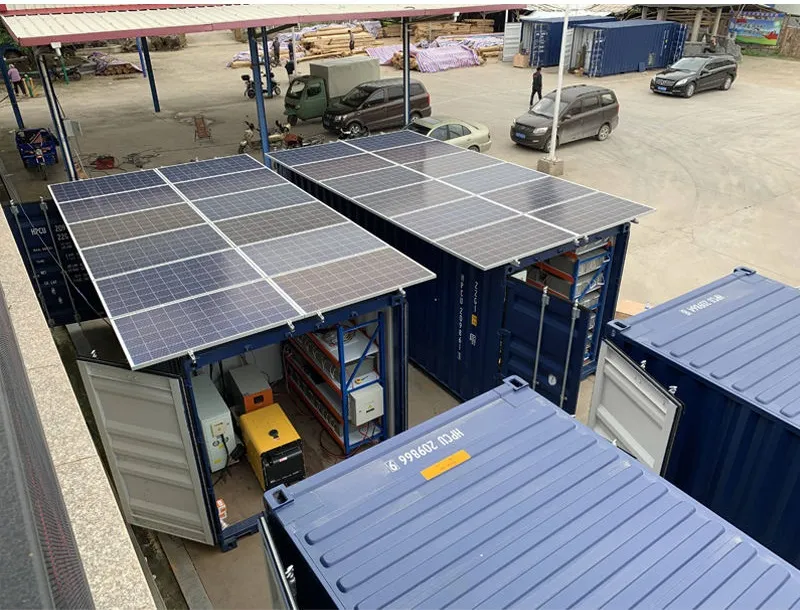
Picture this: endless rows of solar panels shimmering under the sun, quietly turning sunlight into clean energy. They look like the perfect solution to our energy crisis, don't they? But what if I told you that the way we make these panels could be hurting the planet as much as the fossil fuels they replace? That's where sustainable manufacturing steps in – it's about creating clean energy solutions without dirty manufacturing secrets.
Sustainable isn't just a buzzword – it's the art of meeting our energy needs today without stealing from tomorrow. Like the Merriam-Webster Dictionary explains, it means "capable of being sustained," while Cambridge Dictionary adds the environmental punch: "causing little or no damage to the environment and therefore able to continue long-term."
Traditional silicon purification guzzles energy and spews toxic byproducts. Cutting-edge plants now use 95% less energy by recycling solvents and capturing silicon dust – essentially giving materials multiple lifetimes.
Solar factories typically devour Olympic pools of water daily. New plasma-cleaning systems use ionized gas instead, completely eliminating water waste while improving panel efficiency.
Instead of energy-intensive aluminum, innovators are using bamboo composites and carbon-sequestering bioplastics that trap CO₂ while protecting panels.
What truly excites engineers isn't just the tech itself, but how these solutions mesh together. When water recycling systems feed into solvent recovery units that power plasma cleaners, manufacturing plants start resembling ecosystems rather than assembly lines. Just last year, SolarTech Inc. pioneered a facility where their wastewater treatment generates methane that fuels their glass annealing ovens – turning waste streams into power streams.

The solar industry is embracing the "nothing goes to waste" philosophy with shocking creativity:
1. Panel Retirement Programs
First Solar's recovery plants can reclaim 95% of a panel's materials. Glass becomes fiberglass, silicon turns into new wafers, even silver contacts get transformed into conductive inks.
2. Second-Life Solar Farms
Retired rooftop panels (still operating at 80% efficiency) now power water treatment plants in developing regions through initiatives like Reclaim Solar, extending usefulness by decades.
3. Waste-to-Resource Networks
The SolarCircle alliance connects manufacturers globally to swap byproducts. Tellurium waste from Factory A becomes crucial raw material for Factory B's thin-film panels.
The transformation delivers real numbers:
• Carbon footprint dropped by 67% at leading plants
• ♻️ Silicon waste reduced from 40% to just 3% per panel
• ⏳ Manufacturing energy paid back in 6 months instead of 3 years
• Water usage down to 1/20th of traditional processes
Perhaps most remarkably, this revolution isn't slowing innovation – it's accelerating it. Green manufacturing constraints have sparked creative leaps like flexible perovskite panels that require no high-temperature processing and can be printed like newspaper. The sustainable imperative is becoming innovation's unexpected engine.
In Malaysia, SunPower achieved what seemed impossible:
▸ All cooling water recirculated through ceramic filters
▸ 99.8% silicon utilization with laser-redeposition tech
▸ Scrap glass transformed into insulation materials sold to construction industry
▸ Factory powered by its own 10MW rooftop solar array
The result? Zero waste to landfills and carbon-negative certification – meaning the plant actually cleans more atmosphere than it pollutes.
Despite exciting progress, challenges persist:
• Recycling technology needs standardization
• Rare metal recovery still below 50% efficiency
• Upfront costs of green manufacturing deter smaller players
• Global supply chains complicate circularity efforts
Industry consortia are tackling these head-on through unprecedented collaboration. The Global Solar Alliance now has 65 countries coordinating research and sharing IP for sustainability breakthroughs. Meanwhile, blockchain platforms are tracing materials from mine to recycling bin, turning complex supply chains into transparent loops.
When we consider that solar installations will exceed 10 terawatts globally by 2035, every percentage improvement in manufacturing sustainability prevents millions of tons of waste and carbon emissions. It transforms solar from a partial solution into a truly climate-healing technology.
The future beckons with innovations like algae-based encapsulation materials that actively clean air pollution while protecting panels, and AI-guided manufacturing systems that continually optimize resource use in real-time. What's emerging isn't just sustainable manufacturing – it's regenerative manufacturing that gives back more than it takes.
This revolution matters because authentic sustainability isn't just about products – it's about processes. As we embrace green technologies and circular economics, we're not just building better panels; we're learning how to redesign industry itself for harmony with our planet. That's a breakthrough that will outshine even our brightest solar innovations.
Recommend Products












