
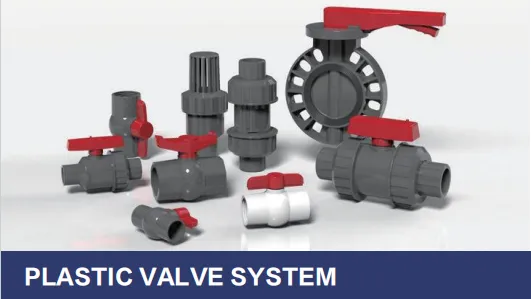
Walk into any construction site, and you'll notice a quiet workhorse keeping everything flowing: plastic valve systems. From residential plumbing to massive commercial complexes, these unassuming components regulate water, gas, and other fluids, ensuring buildings run smoothly. But here's the catch—traditional plastic valves, made from materials like PVC or UPVC, are built to last decades, which is great for durability but terrible for the planet. Once they reach the end of their life, they linger in landfills for centuries, contributing to the global plastic waste crisis. That's where sustainable innovation comes in. Today, forward-thinking plastic valve system suppliers are reimagining these essential tools, swapping out conventional plastics for biodegradable alternatives that don't sacrifice performance for planet.
For years, the construction industry relied on plastics like PVC and UPVC for valves and pipes because they're cheap, corrosion-resistant, and easy to install. A PVC DWV pipe supplier or UPVC pipe supplier would tell you: these materials revolutionized plumbing, making it more accessible and durable than metal counterparts. But as we've grown more aware of environmental impact, their "forever" quality has become a liability. Consider this: a standard PVC valve can take 450+ years to decompose. When multiplied by the millions of valves used in buildings worldwide, the math gets grim. Add in manufacturing emissions—traditional plastic production relies heavily on fossil fuels—and it's clear: we need a better way.
This urgency isn't just about reducing waste. Governments and green building certifications (like LEED or BREEAM) are pushing for lower carbon footprints, and consumers are demanding eco-friendly options. A commercial building materials supplier today can't ignore this shift—sustainability isn't a trend; it's a business imperative. And that's why biodegradable materials are stepping into the spotlight.
When we say "biodegradable," we're not talking about flimsy materials that fall apart mid-use. Modern biodegradable plastics are engineered to match (and sometimes exceed) the performance of traditional options, but with a critical difference: they break down naturally over time, thanks to microorganisms that feast on their organic components. Think of it like a banana peel versus a plastic bag—both start as useful, but one returns to the earth without a trace.
The stars of the show here are materials like polylactic acid (PLA), polyhydroxyalkanoates (PHA), and starch-based polymers. PLA, made from fermented plant sugars (like corn or sugarcane), is already used in packaging, but recent advancements make it strong enough for valves. PHA, produced by bacteria, is even more promising—it's fully biodegradable in marine and soil environments, making it ideal for outdoor or underground applications. These aren't niche experiments, either; major plastic valve system suppliers are investing heavily in R&D to scale these materials.
Skeptics might wonder: If biodegradable materials break down, won't they fail sooner? Not necessarily. Today's next-gen formulas are designed to degrade only when exposed to specific conditions—like high temperatures or microbial activity in landfills—so they'll still last 20–30 years in a typical plumbing system. That means you get the best of both worlds: long-term reliability and a guilt-free end-of-life.
Let's break down the perks:
| Material Type | Environmental Impact | Typical Lifespan | Best For | Cost (vs. Traditional) |
|---|---|---|---|---|
| Traditional PVC/UPVC | Non-biodegradable; high fossil fuel use | 30–50 years | General plumbing, outdoor use | Low (base cost) |
| Biodegradable PLA Blend | Plant-based; decomposes in 1–5 years post-use | 20–30 years | Residential plumbing, indoor systems | 15–20% higher (but falling) |
| PHA (Polyhydroxyalkanoates) | 100% biodegradable in soil/marine environments | 25–35 years | Underground pipes, coastal projects | 25–30% higher (premium for durability) |
In 2024, a mid-rise residential project in Saudi Arabia decided to go all-in on sustainability. The developer partnered with a local plastic valve system supplier to replace 80% of traditional PVC valves with PLA-blend alternatives. They also opted for PPR pipe and fitting solutions made from recycled materials. The result? The project reduced its carbon footprint by 32% compared to similar buildings, and homeowners reported no performance issues after a year of use. "We were worried about cost at first, but the energy savings from using eco-friendly materials offset the upfront investment," said the project manager.
Schools have unique needs—safety, durability, and low maintenance. When a new K-12 school in Dubai was built in 2023, the architects prioritized both fire safety and sustainability. They chose class A fireproof CPL inorganic board for hospital and school solutions for walls and ceilings, and paired it with PHA-based plastic valves for the plumbing system. "Kids spend 6+ hours a day here, so we didn't want any toxic materials," explained the facilities director. "The biodegradable valves were a no-brainer—they're non-leaching, and we won't have to worry about them clogging landfills someday."
Of course, no innovation comes without challenges. Biodegradable plastics are still pricier than traditional options—though costs are dropping as production scales. Some contractors also worry about performance in extreme conditions, like the scorching heat of Saudi Arabia or freezing winters in Europe. To address this, plastic valve system suppliers are testing materials in harsh environments, tweaking formulas to withstand temperatures from -20°C to 60°C. Certifications are another hurdle; while organizations like ASTM are developing standards for biodegradable plastics, not all products on the market are rigorously tested. That's why it's key to work with reputable suppliers who can provide third-party lab reports.
Government support is helping, too. In the EU, the Circular Economy Action Plan offers tax breaks for sustainable building materials, and Saudi Arabia's Vision 2030 includes green construction incentives. For a PVC well casing and screen pipes supplier or plastic valve system supplier , these policies make investing in biodegradables a smart business move, not just an ethical one.
The biodegradable valve revolution is just getting started. Here's what to watch for:
Smarter Materials: Researchers are experimenting with "triggered" biodegradation—valves that start breaking down only when exposed to a specific chemical or light signal. This could let engineers control the lifespan of a valve, ensuring it lasts exactly as long as needed.
Circular Systems: Forward-thinking suppliers are launching take-back programs, where old valves are collected, recycled, or composted. Imagine buying a valve and knowing the supplier will haul it away for eco-friendly disposal decades later—that's the circular economy in action.
Integration with Green Tech: Biodegradable valves could soon pair with IoT sensors to detect leaks or wear, alerting maintenance teams before failure. Combine that with PPR pipe and fitting solutions designed for energy efficiency, and you've got a plumbing system that's both green and smart.
Durability shouldn't mean "forever waste." Thanks to biodegradable materials, the next generation of plastic valve systems proves we can build for the future without sacrificing it. Whether you're a homeowner, contractor, or commercial building materials supplier , the message is clear: sustainable innovation isn't just a trend—it's the only way forward.
So the next time you're choosing valves for a project, ask your supplier: "What's your biodegradable option?" Because the best buildings aren't just built to last—they're built to leave the planet better than they found it.
Recommend Products












