
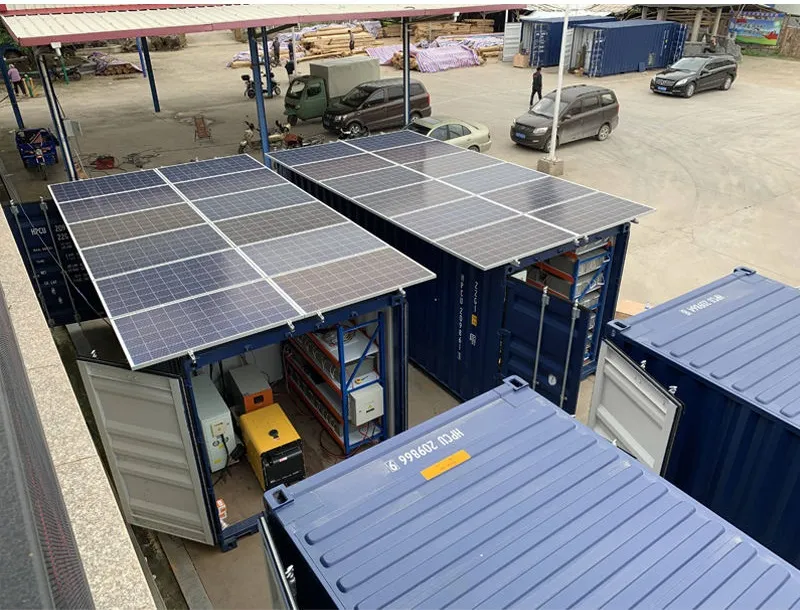
How modern building materials are transforming homes and businesses—one flexible solar panel at a time. Discover why forward-thinking builders and homeowners in Saudi Arabia and beyond are making the switch.
Let's start with a scenario we've all experienced: opening an electricity bill and feeling that sinking feeling. Energy costs have been climbing globally, and in regions like the Middle East, where air conditioning and power needs run high, the numbers can be staggering. But here's the other side of the coin: the planet can't afford business as usual. Governments, businesses, and everyday people are pushing for greener solutions, and for good reason. Enter sustainable flexible solar panels—a technology that's not just about saving money, but about building a future where our buildings work with the environment, not against it.
Traditional solar panels have been around for decades, but they come with limitations. Think about it: rigid, heavy, and often tricky to install on curved roofs, historic buildings, or lightweight structures. They're like trying to fit a square peg into a round hole when it comes to modern architecture. But flexible solar panels? They're changing the game. Lightweight, bendable, and designed to adapt to almost any surface, they're the building material the industry has been waiting for.
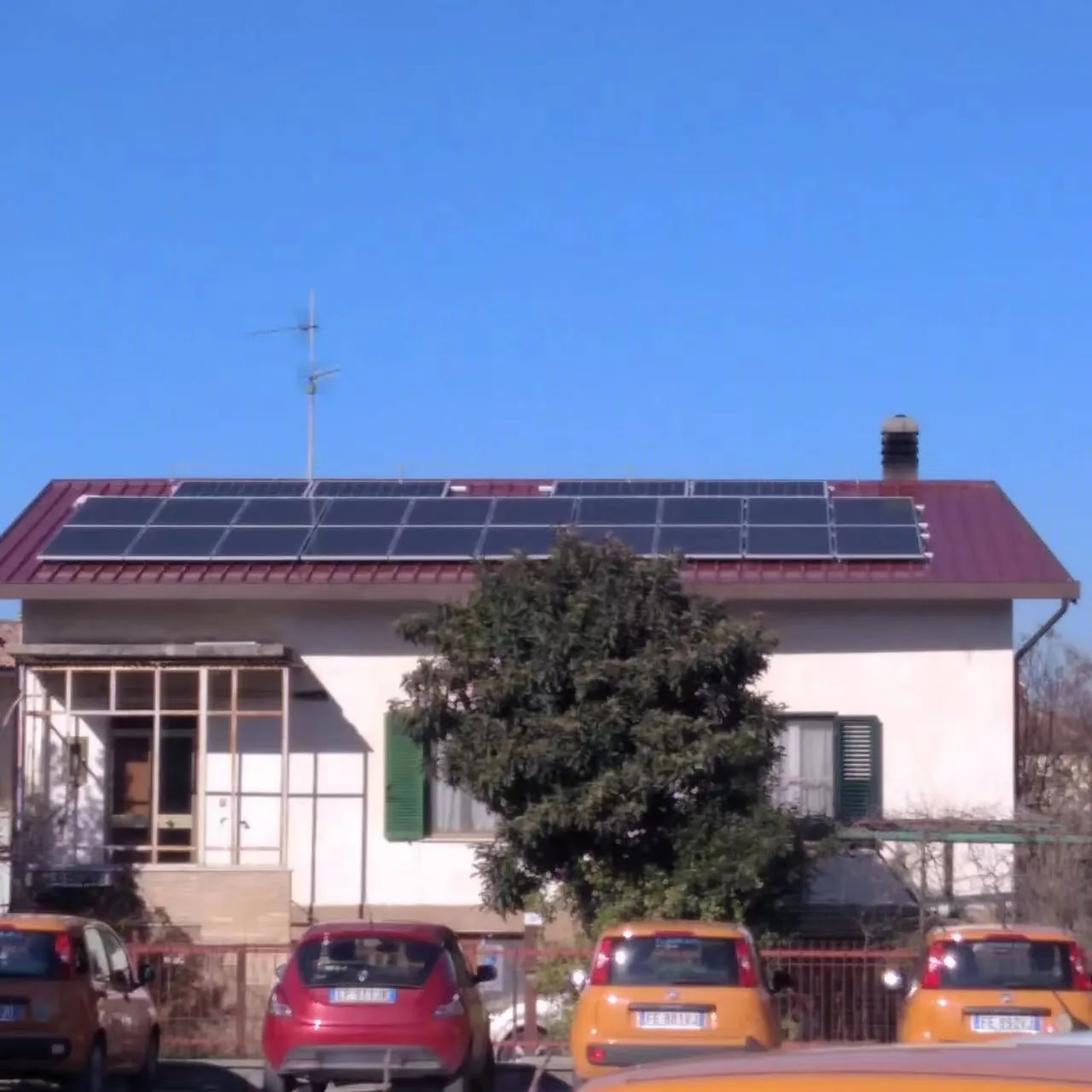
Let's break down why these panels are more than just a trend—they're a practical, long-term solution for both residential and commercial spaces. Here's what sets them apart:
Imagine a boutique hotel in Riyadh with a sloped, tiled roof. Traditional solar panels would require heavy mounting systems, risking damage to the roof and ruining the building's aesthetic. Now picture flexible solar panels: thin enough to lay directly over the tiles, bending gently to follow the roof's curve, and lightweight enough that they don't strain the structure. That's the reality with flexible panels. They work on metal roofs, flat roofs, even curved facades—no two projects are the same, and these panels adapt.
Living in Saudi Arabia means dealing with intense heat, sandstorms, and occasional heavy rains. You need materials that can take a beating. Flexible solar panels are built with tough, weather-resistant materials—think reinforced polymers and shatterproof coatings—that can handle temperatures up to 85°C and high winds. Unlike traditional glass panels, they won't crack if a branch falls or during installation mishaps. One installer in Jeddah told me, "We've had panels up for five years through sandstorms, and they're still performing at 90% efficiency. You can't put a price on that kind of reliability."
At the end of the day, it's about the numbers. Flexible solar panels aren't just flexible—they're efficient. New models convert up to 23% of sunlight into electricity, which is on par with top rigid panels. But here's the kicker: because they're lighter and easier to install, the overall cost of getting them up and running is often lower. A residential project in Dammam recently reported saving 35% on their monthly electricity bill after installing 20 flexible panels. For a commercial building like a shopping mall? Those savings can run into the tens of thousands annually.
| Feature | Traditional Rigid Solar Panels | Sustainable Flexible Solar Panels |
|---|---|---|
| Weight | 15-20 kg per panel | 2-4 kg per panel |
| Installation Flexibility | Limited to flat/standard roofs; requires heavy mounting | Works on curved surfaces, tiles, metal, and lightweight structures |
| Durability in Harsh Weather | Prone to cracking in high winds or impacts | Shock-resistant; designed for sandstorms, heat, and rain |
| Installation Time | 2-3 days for a typical home | 1 day for a typical home (simpler mounting) |
| 25-Year Efficiency Retention | 70-75% | 85-90% |
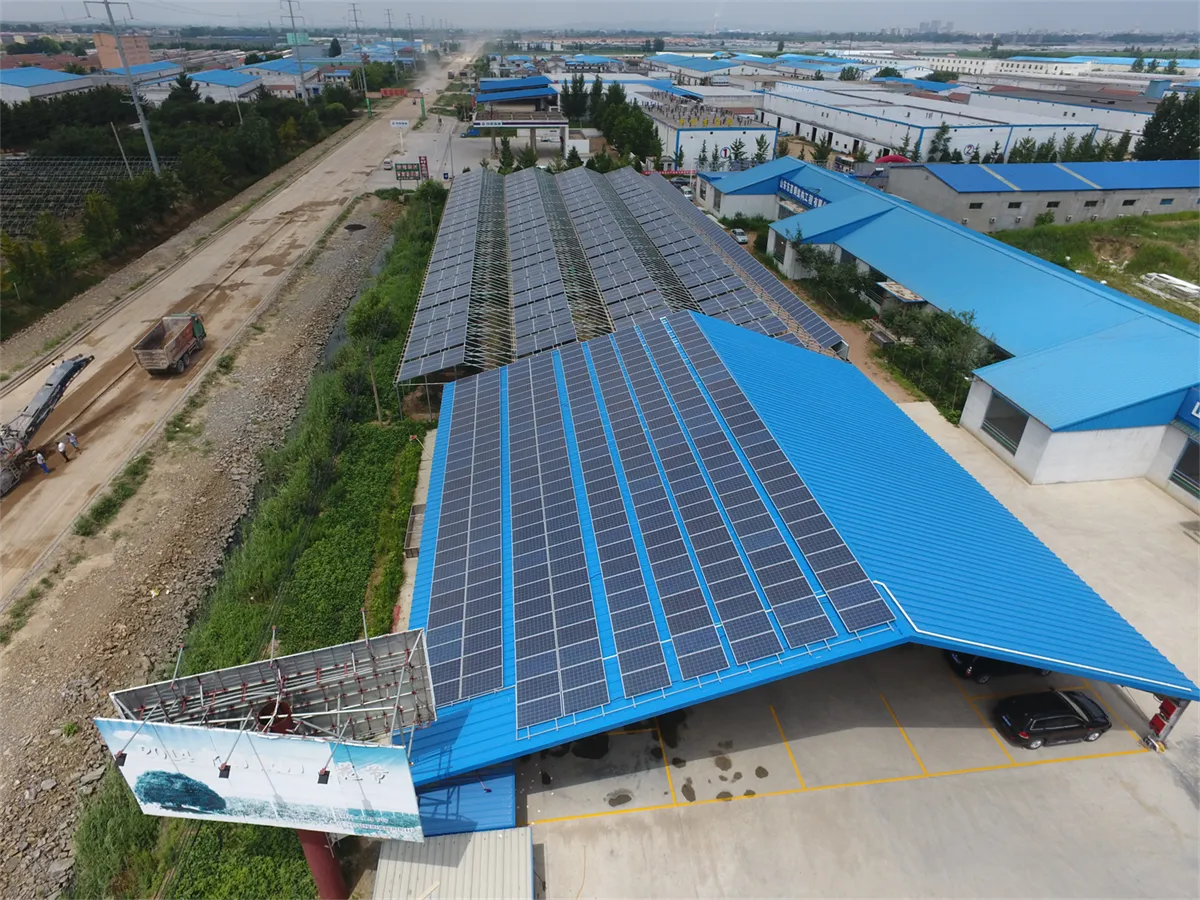
We hear "sustainability" thrown around a lot, but what does it really mean for building materials? For starters, it's about reducing carbon footprints. Flexible solar panels are often made with fewer raw materials than rigid ones, and their lightweight design cuts down on transportation emissions. But it's also about aligning with global goals—like Saudi Arabia's "2030 Vision," which prioritizes green energy and sustainable development. When you choose these panels, you're not just investing in your property; you're contributing to a larger mission.
Here's where green building materials come into play. It's not enough to install solar panels and call it a day. The best projects take a holistic approach—using energy-efficient windows, insulated walls, and eco-friendly flooring to maximize savings. That's why working with a one-stop architectural solution provider matters. They can integrate solar panels with the rest of your building materials, ensuring everything works together seamlessly. No more coordinating with multiple suppliers or worrying about compatibility issues. It's about making sustainability easy.
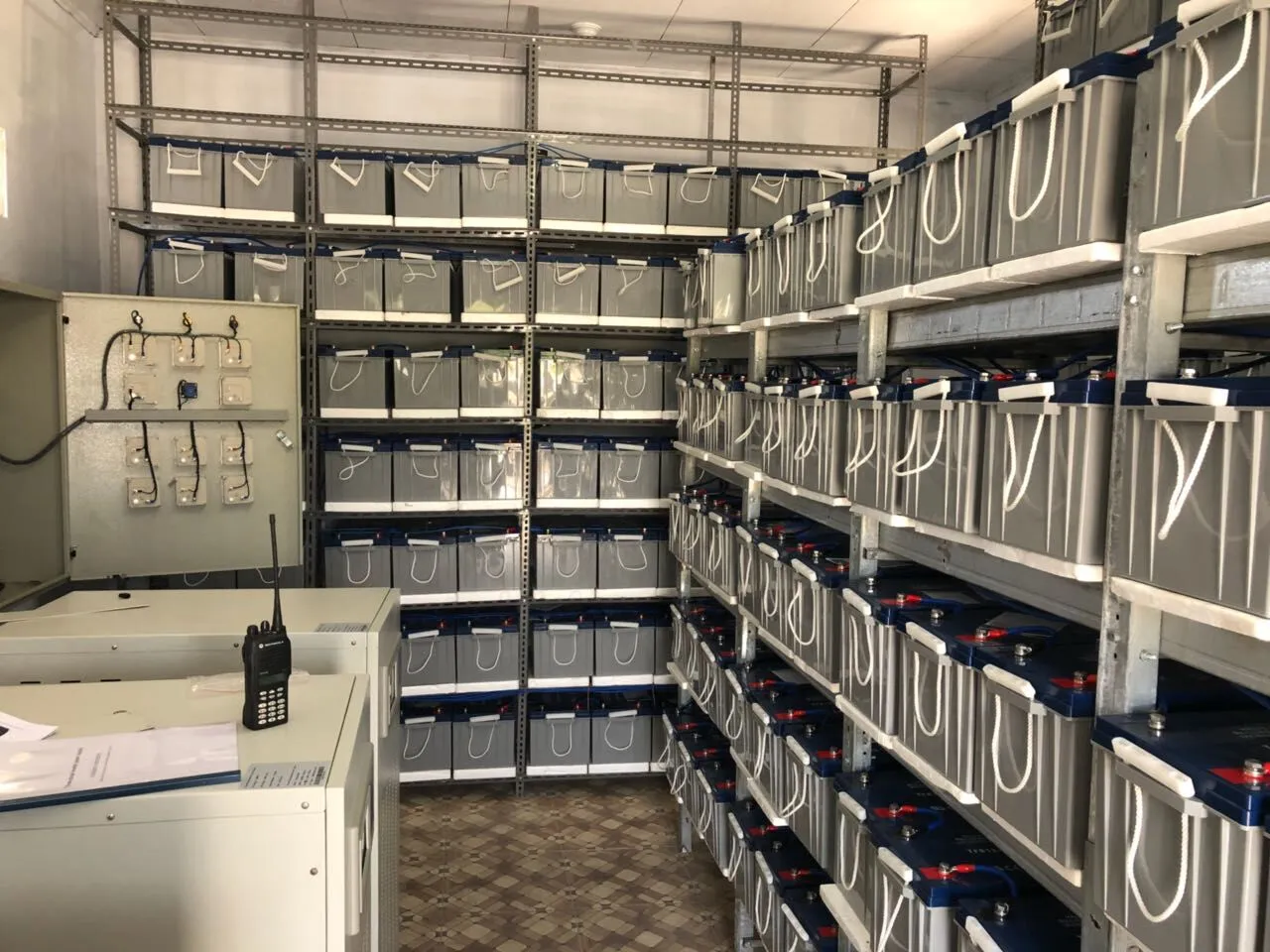
When it comes to building materials, especially something as critical as solar panels, local expertise makes all the difference. The Middle East has unique challenges—extreme heat, specific building codes, and a growing focus on (supporting local jobs and industries). That's where partnering with a Saudi Arabia building materials supplier with deep roots in the region pays off.
Consider this: a supplier based in Saudi Arabia understands the nuances of local projects. They know which materials hold up in Jeddah's humidity versus Riyadh's dry heat. They have relationships with local contractors, ensuring faster delivery and installation. And they're invested in the country's future—like supporting Saudi's 2030 Vision by creating jobs and promoting sustainable practices. It's not just about selling products; it's about being a partner in building the nation.
Take, for example, a hotel project in Makkah. The developer needed solar panels that could handle high temperatures and fit the building's unique dome-shaped roof. A local supplier was able to recommend flexible panels, provide on-site installation support, and even coordinate with other material suppliers for windows and insulation. The project was completed on time, under budget, and now stands as a model for sustainable tourism in the region.
Here's the thing about building projects: they're complicated. Between design, permits, materials, and installation, there are a hundred moving parts. That's why the best projects rely on one-stop architectural solution providers —suppliers who can handle everything from solar panels to flooring to kitchen fixtures. It's about streamlining the process, reducing stress, and ensuring consistency across every aspect of the build.
Imagine this: You're building a new office complex. You need solar panels for the roof, energy-efficient lighting, durable flooring, and custom furniture for the interiors. Instead of coordinating with five different suppliers, you work with one team that understands your vision, budget, and timeline. They handle the logistics, ensure all materials meet local standards, and even provide after-sales support. That's the difference between a chaotic project and a smooth, successful one.
And let's not forget the long-term benefits. A one-stop provider invests in relationships. They'll be there to help with maintenance, answer questions, and even suggest upgrades down the line. It's not a transaction—it's a partnership. For businesses and homeowners alike, that peace of mind is priceless.
Numbers and features are great, but real stories show the impact. Let's look at two projects that showcase the power of sustainable flexible solar panels and one-stop solutions:
The Al-Mansoori family in Riyadh wanted to reduce their energy bills and make their home more eco-friendly. Their roof was sloped and covered in traditional clay tiles—too fragile for heavy solar panels. A local residential building materials supplier recommended flexible solar panels, which were installed directly over the tiles without damaging them. They also upgraded to energy-efficient windows and LED lighting from the same supplier.
Six months later, the results were clear: their monthly electricity bill dropped from 800 SAR to 350 SAR. "We were skeptical at first," says Mrs. Al-Mansoori, "but now we're telling all our friends. The panels blend in with our roof, and we barely notice them—except when we open the bill!"
GreenWave, a commercial development in Dammam, aimed to attract eco-conscious businesses. They partnered with a commercial building materials supplier to outfit their 10-building complex with flexible solar panels, along with green walls and energy-efficient HVAC systems. The panels were installed on both rooftops and south-facing facades, maximizing sun exposure.
Today, GreenWave generates 30% of its electricity from solar power, reducing its carbon footprint by 450 tons annually. "Tenants love it," says the property manager. "They're proud to work in a building that aligns with their values, and we've seen higher occupancy rates because of it."
Let's talk about cost. Yes, flexible solar panels have a higher upfront price tag than traditional ones—but that's where the "long-term" in "reduce energy costs long-term" comes in. Let's crunch the numbers for a typical Saudi home:
And that's not counting incentives. The Saudi government offers subsidies for green building projects, and some utilities buy back excess solar energy. For commercial properties, the numbers are even more compelling—larger systems mean bigger savings, and green certifications can increase property value by 10-15%.
What about maintenance? Flexible solar panels require minimal upkeep—occasional cleaning to remove dust, and a yearly check by a technician. Compare that to traditional panels, which may need repairs for cracked glass or loose mounting brackets. Over time, the lower maintenance costs add up.
Saudi Arabia's "2030 Vision" isn't just a plan—it's a movement. With goals to increase renewable energy usage, create local jobs, and build sustainable cities, the demand for innovative building materials will only grow. Flexible solar panels are at the forefront of this shift, but they're just one piece of the puzzle.
The best sustainable building solutions will integrate solar power with other green technologies: smart home systems that optimize energy use, recycled building materials, and water-saving fixtures. And as more suppliers invest in local expertise—like having on-the-ground teams in Saudi Arabia—projects will become more efficient, more affordable, and more aligned with local needs.
Here's the bottom line: Building materials shouldn't just serve a function—they should inspire. They should make us proud of the spaces we live and work in, knowing they're part of a better future. Sustainable flexible solar panels do exactly that. They're not just about reducing energy costs—they're about reimagining what buildings can be: resilient, efficient, and in harmony with the world around them.
Ready to take the first step toward lower energy costs and a greener future? Whether you're building a home, renovating an office, or planning a commercial project, the right materials make all the difference. Look for a supplier who offers not just products, but partnership—one with the local expertise, global resources, and commitment to sustainability that your project deserves. After all, the best buildings aren't just built—they're built to last.
Recommend Products












