
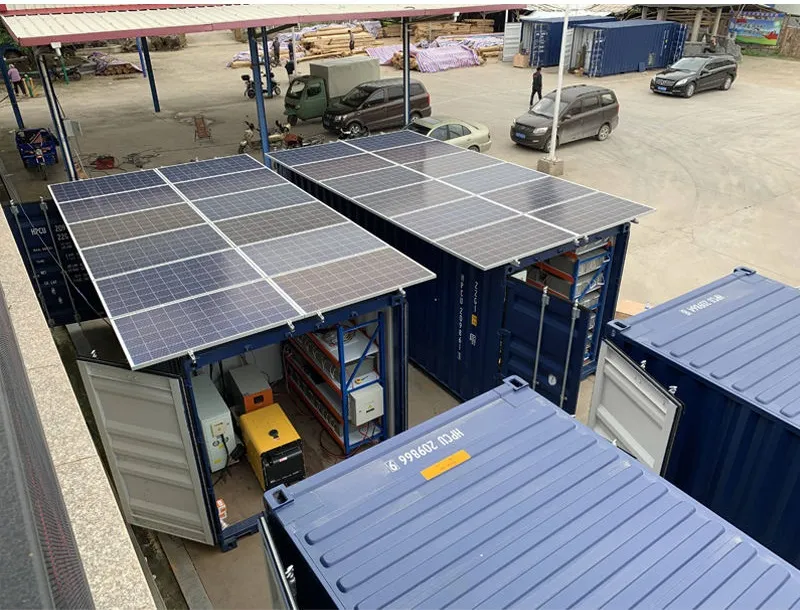
How modern building materials are reshaping green construction and driving LEED certification in the Middle East and beyond
In today's construction landscape, sustainability isn't just a buzzword—it's the foundation of forward-thinking design. As cities grow and energy demands rise, architects, developers, and builders are increasingly turning to solutions that reduce environmental impact while enhancing building performance. One of the most impactful innovations in this space? Sustainable flexible solar panels. These aren't your grandfather's clunky rooftop panels; they're lightweight, adaptable, and designed to seamlessly blend with a building's architecture—whether it's a residential complex in Riyadh or a commercial tower in Dubai.
But why does this matter? Think about the numbers: buildings account for nearly 40% of global energy consumption and 30% of greenhouse gas emissions, according to the U.S. Energy Information Administration. To combat this, green building certifications like LEED (Leadership in Energy and Environmental Design) have become the gold standard for measuring a project's sustainability. LEED isn't just about checking boxes; it's about creating spaces that are healthier, more efficient, and better for the planet. And flexible solar panels? They're quickly becoming a key player in helping projects meet—and exceed—LEED requirements.
For companies like Coloria, a leading one-stop architectural solution provider, this shift represents both a responsibility and an opportunity. With decades of experience as a building material supplier in the Middle East, Coloria has watched the region's construction industry evolve from traditional practices to a focus on innovation and sustainability. Today, their solar panel offerings—part of a broader range of green building materials—are designed to align with global standards like LEED while addressing the unique needs of markets like Saudi Arabia, where the push for sustainable development is accelerating under the country's Vision 2030.
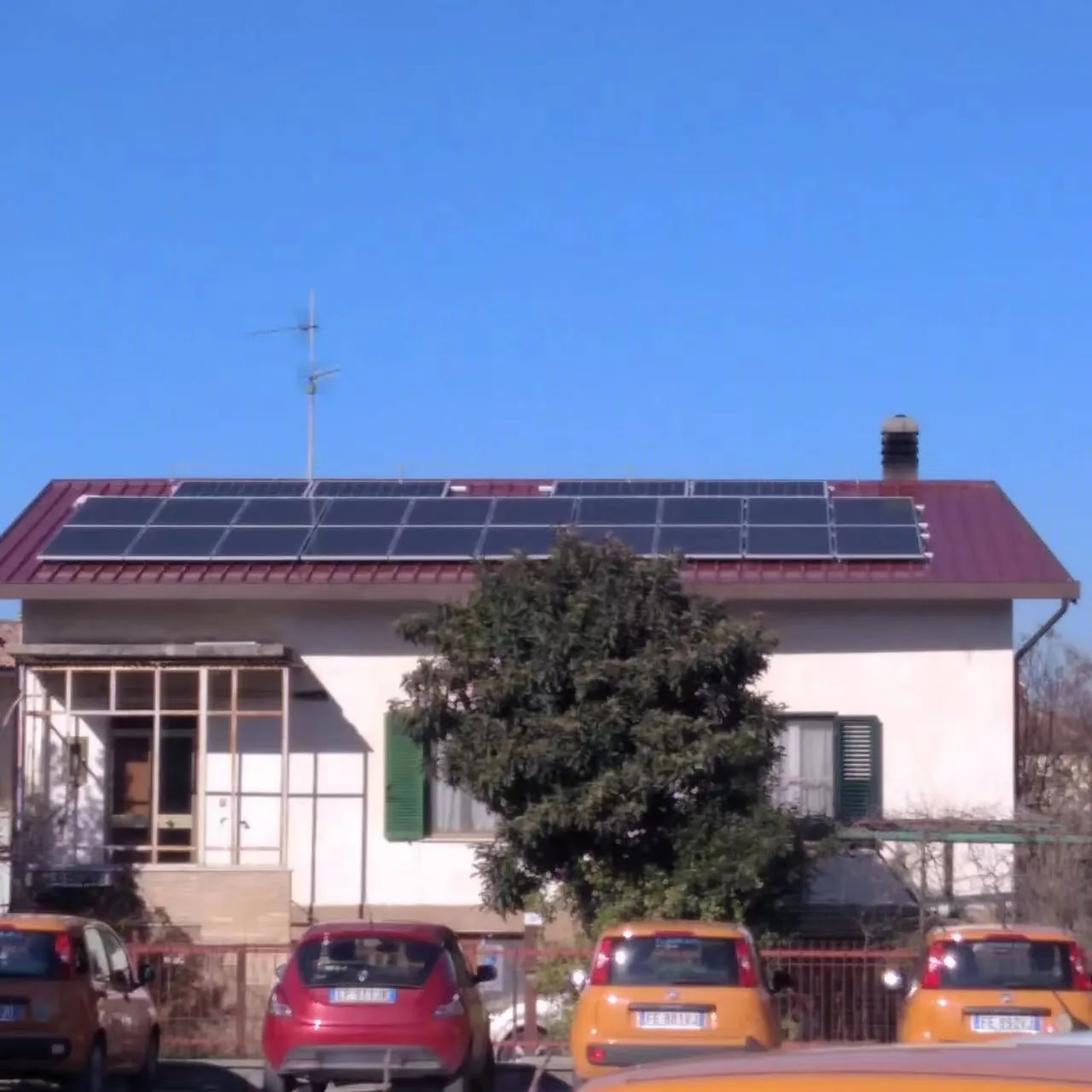
Before diving into how these panels align with LEED, let's clarify what sets sustainable flexible solar panels apart. Traditional solar panels are rigid, heavy, and often limited to flat rooftops. Flexible panels, on the other hand, are made with lightweight materials like thin-film photovoltaic (PV) cells, which can bend and conform to curved surfaces, irregular shapes, and even vertical facades. This flexibility isn't just about aesthetics—it's about maximizing energy capture in spaces where traditional panels would be impossible to install.
But sustainability goes beyond installation. Let's break down the key factors that make these panels a green choice:
Material Efficiency: Flexible solar panels use up to 70% less raw material than traditional silicon-based panels. Many manufacturers, including those partnered with Coloria, prioritize recycled materials in their production, reducing reliance on virgin resources and cutting down on waste.
Low Carbon Footprint: The production process for flexible panels requires less energy compared to rigid ones. Plus, their lightweight design reduces transportation emissions—trucks can carry more panels per trip, lowering the carbon cost of getting them to the job site.
Longevity and Recyclability: Modern flexible panels are built to last 25+ years, with warranties that match. At the end of their lifespan, most components can be recycled, diverting waste from landfills and closing the loop on the product's lifecycle.
Energy Independence: By generating clean electricity on-site, buildings reduce their reliance on fossil fuel-powered grids, lowering greenhouse gas emissions and shielding owners from volatile energy prices.
These features aren't just good for the planet—they're also a smart business move. As governments worldwide tighten regulations on carbon emissions and offer incentives for green buildings, integrating sustainable technologies like flexible solar panels is becoming a competitive advantage.
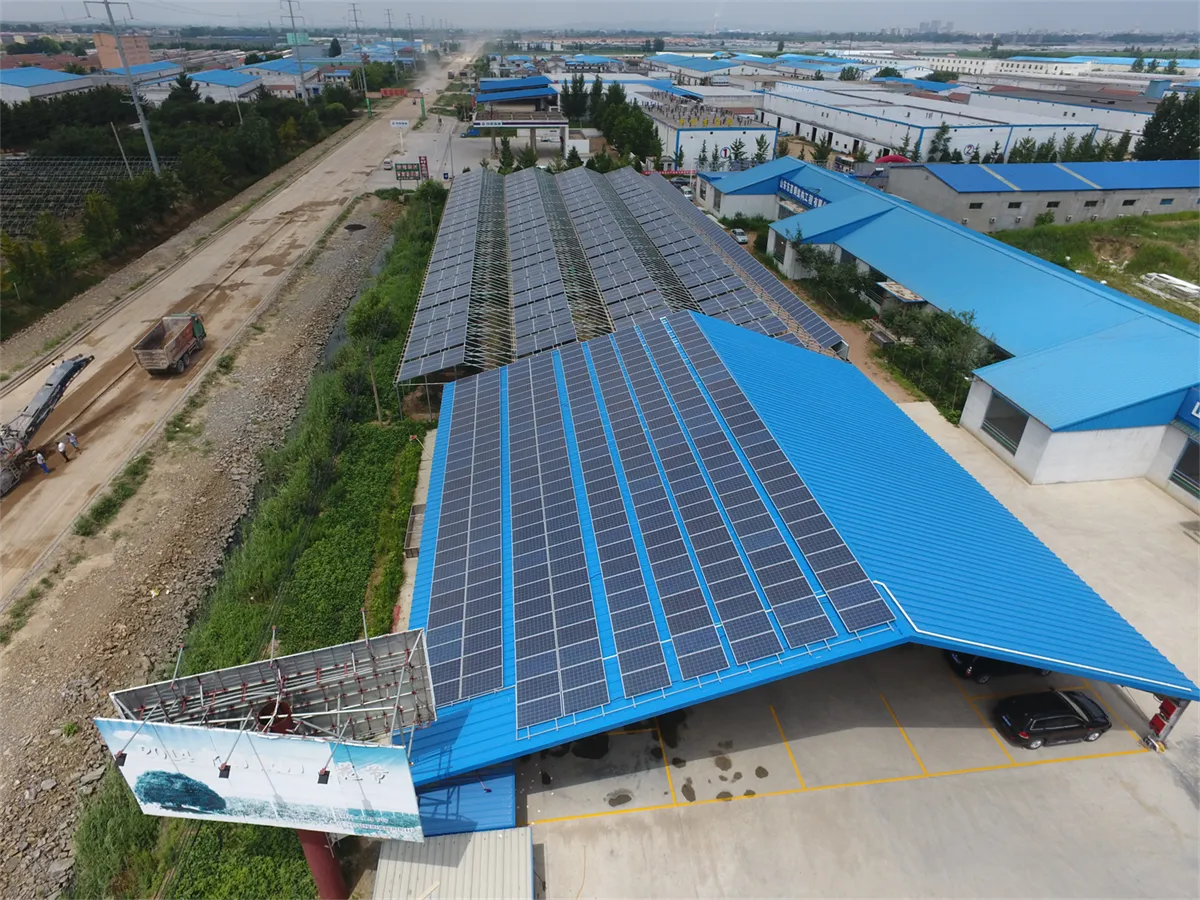
If you're in the construction industry, you've probably heard of LEED. But what exactly does it take to earn LEED certification, and how do solar panels fit into the picture? Developed by the U.S. Green Building Council (USGBC), LEED evaluates buildings based on six key categories: Energy and Atmosphere, Materials and Resources, Indoor Environmental Quality, Water Efficiency, Site Sustainability, and Innovation in Design. Projects earn points in each category, with certifications ranging from Certified (40-49 points) to Platinum (80+ points).
For solar panels, the most relevant category is Energy and Atmosphere (EA) , which accounts for up to 35 points—more than any other section. Here's how flexible solar panels can contribute:
| LEED EA Credit | Requirements | How Flexible Solar Panels Help |
|---|---|---|
| EA Credit 1: Optimize Energy Performance | Reduce energy consumption by meeting or exceeding ASHRAE/IESNA Standard 90.1-2019 | On-site solar generation offsets grid electricity use, lowering overall energy demand and meeting efficiency thresholds |
| EA Credit 2: Renewable Energy Production | Generate renewable energy on-site (e.g., solar, wind) to offset building energy use | Flexible panels maximize renewable energy production by utilizing otherwise unused spaces (facades, curved roofs), increasing offset potential |
| EA Credit 3: Enhanced Commissioning | Verify that energy systems (including renewables) are installed, calibrated, and functioning as designed | Lightweight design simplifies installation and reduces commissioning time; integrated monitoring systems track performance |
But the benefits don't stop at Energy and Atmosphere. Flexible solar panels can also contribute to Materials and Resources (MR) credits, particularly MR Credit 3: Building Product Disclosure and Optimization. By choosing panels from manufacturers that disclose environmental product declarations (EPDs) and use recycled content, projects can earn additional points. Coloria, for example, partners with suppliers who provide full transparency on material sourcing and carbon footprints, making it easier for clients to meet these requirements.
Another area where flexible panels shine is Innovation in Design (ID) , which rewards projects for creative sustainability solutions. Installing solar panels on non-traditional surfaces—like a curved glass facade or a sloped metal roof—can qualify for ID credits, especially if the design improves energy performance beyond standard practices.
Now, let's bring this back to the real world—specifically, the Middle East, a region where sustainable construction is booming. Countries like Saudi Arabia are leading the charge with Vision 2030, a plan to diversify the economy and promote sustainability through initiatives like green building regulations and renewable energy targets. As a trusted Saudi Arabia building materials supplier with decades of experience in the region, Coloria is uniquely positioned to support these goals.
What makes Coloria stand out? It starts with their one-stop approach . Instead of forcing clients to coordinate with multiple suppliers for solar panels, roofing materials, and other building components, Coloria integrates everything into a single, streamlined process. This not only saves time and reduces project complexity but also ensures that all materials work together seamlessly—critical for maximizing energy efficiency and meeting LEED requirements.
Take, for example, a recent commercial project in Jeddah. The developer wanted to achieve LEED Gold certification and needed a solar solution that could work with their modern, curved facade. Traditional panels were out of the question due to weight and rigidity, so Coloria recommended their flexible solar panel series, paired with lightweight mounting systems and energy-efficient LED lighting (another of their product lines). The result? The panels generated 20% of the building's electricity needs, contributing to EA Credit 2, while the integrated approach simplified commissioning for EA Credit 3. The project ultimately scored 68 points, earning LEED Gold.
"In Saudi Arabia, clients aren't just looking for products—they're looking for partners who understand local regulations and global standards like LEED," says a senior project manager at Coloria. "Our ability to provide flexible solar panels alongside other green building materials means we can tailor solutions that meet both the technical requirements of LEED and the aesthetic vision of the architect."
Coloria's regional expertise is another key advantage. With a local office in Saudi Arabia, their team understands the unique challenges of building in the Middle East—extreme temperatures, sandstorms, and strict local sourcing requirements. Their flexible solar panels are tested to withstand harsh desert conditions, with heat-resistant materials that maintain efficiency even in 50°C+ weather. This durability not only ensures long-term performance but also reduces maintenance costs, a critical factor for LEED's Operations and Maintenance (O+M) category.
Perhaps most importantly, Coloria is committed to sustainable product development . Their flexible solar panels are part of a broader green building materials line that includes bamboo charcoal board wall panels and Class A fireproof CPL inorganic boards—products designed to reduce environmental impact without compromising on quality. By prioritizing these sustainable options, Coloria helps clients earn additional MR credits for using regionally sourced, low-emitting materials.
Flexible solar panels aren't limited to large commercial projects—they're equally effective in residential settings. Let's explore how they're transforming different building types, with a focus on how Coloria's solutions support LEED certification across the board.
In residential construction, homeowners and developers are increasingly prioritizing energy efficiency and sustainability. LEED for Homes, a specialized rating system, rewards features like renewable energy, water conservation, and healthy materials. Flexible solar panels are ideal here because they can be installed on a variety of roof types—from flat concrete to sloped tile—without adding excessive weight or compromising the roof's integrity.
Consider a luxury villa project in Riyadh, where the architect wanted to maintain the home's traditional Arabian design while incorporating modern sustainability. Coloria proposed installing flexible solar panels on the south-facing roof and integrating them with their WPC wall panels for the exterior. The panels blended seamlessly with the roof's curvature, generating enough electricity to power the home's appliances and reduce utility bills by 35%. The project earned LEED Silver certification, with points from EA Credit 2 and MR Credit 6 (Rapidly Renewable Materials), thanks to the bamboo-based wall panels.
For commercial buildings—offices, hotels, shopping malls—energy demand is higher, making solar integration even more impactful. Flexible panels offer unique opportunities here, such as installing them on parking lot canopies, curtain walls, or even as part of the building's facade. In Dubai, a hotel chain worked with Coloria to install flexible panels on their atrium roof, which not only generated electricity but also provided shade, reducing cooling costs by 15%. The dual benefit helped the project earn points for both EA Credit 1 and EA Credit 2, pushing them from LEED Silver to Gold.
Another example is a hospital in Dammam, where infection control and fire safety were top priorities. Coloria supplied Class A fireproof CPL inorganic boards for the interior walls (meeting strict healthcare regulations) and flexible solar panels for the rooftop. The panels reduced the hospital's reliance on the grid, ensuring critical systems stayed powered during outages, while the fire-resistant boards contributed to Indoor Environmental Quality (IEQ) credits. The project achieved LEED Gold, setting a new standard for sustainable healthcare facilities in the region.
As we look ahead, the intersection of solar technology and LEED standards is only going to grow more important. Here are three trends to watch:
LEED v5 and Net-Zero Energy: The next version of LEED, set to launch in the coming years, is expected to prioritize net-zero energy buildings—those that generate as much energy as they consume. Flexible solar panels will be critical here, as their adaptability allows for maximum energy generation in limited spaces.
Smart Integration with Building Management Systems (BMS): Future solar panels will connect with BMS to optimize energy use in real time, adjusting to weather conditions and building occupancy. Coloria is already testing systems that link their solar panels with their electrical and cables, allowing for seamless energy monitoring and control.
Circular Economy Focus: LEED is placing greater emphasis on circularity—designing products and buildings to minimize waste and maximize resource reuse. Coloria's commitment to recyclable solar panels and sustainable materials positions them well to lead in this area, helping clients earn points for MR credits related to end-of-life management.
In the Middle East, these trends align perfectly with Vision 2030 and similar national plans. As Saudi Arabia and other Gulf countries invest in renewable energy and green infrastructure, the demand for flexible solar panels and LEED expertise will only increase. Coloria's focus on—including their Saudi-based team and understanding of regional regulations—ensures they'll remain a key partner in this journey.
Sustainable flexible solar panels aren't just a passing trend—they're a cornerstone of modern, LEED-certified construction. By combining adaptability, efficiency, and environmental responsibility, they help buildings meet the rigorous standards of LEED while reducing costs and enhancing design flexibility. For companies like Coloria, the mission goes beyond supplying materials; it's about empowering clients to build a better future—one that aligns with global sustainability goals and local visions like Saudi Arabia's 2030 plan.
Whether you're designing a residential complex, a commercial tower, or a healthcare facility, the message is clear: integrating flexible solar panels is one of the most effective ways to achieve LEED certification and create buildings that are good for people and the planet. And with a one-stop supplier like Coloria, the process is simpler than ever.
As the construction industry continues to evolve, one thing is certain: sustainability will remain at the forefront. By choosing the right materials, partnering with experienced suppliers, and prioritizing LEED certification, developers and builders can not only meet regulatory requirements but also create spaces that inspire, innovate, and contribute to a greener world. The future of building is flexible, sustainable, and aligned with LEED—and it's already here.
Recommend Products












