

In an era where climate change concerns and environmental consciousness are reshaping industries worldwide, architecture and construction stand at the forefront of transformation. Today's homeowners, businesses, and designers aren't just looking for buildings that are functional or aesthetically pleasing—they're demanding spaces that align with sustainable values, reduce carbon footprints, and contribute to healthier living environments. This shift has given rise to innovative materials and solutions that marry durability, beauty, and eco-friendliness, and among these, MCM flexible cladding stone wall panels have emerged as a game-changer.
Sustainable design isn't just a trend; it's a necessity. From energy-efficient windows to recycled building materials, every element of a structure now plays a role in its overall environmental impact. When it comes to exterior and interior cladding—the "skin" of a building—choices matter deeply. Traditional materials like natural stone or concrete, while durable, often come with heavy environmental costs: high carbon emissions during extraction, transportation challenges due to weight, and limited flexibility in design. Enter MCM flexible cladding stone wall panels: a material that redefines what's possible in sustainable architectural façade solutions.
But what exactly makes MCM panels a standout choice? How do they compare to other cladding options, and what real-world projects have already benefited from their use? In this article, we'll explore the world of MCM flexible cladding, dive into compelling case examples from both residential and commercial settings, and hear from the suppliers and designers who've brought these sustainable visions to life. Whether you're a homeowner planning a renovation, a developer aiming for LEED certification, or an architect pushing the boundaries of design, understanding MCM panels could be the key to unlocking your project's sustainability potential.
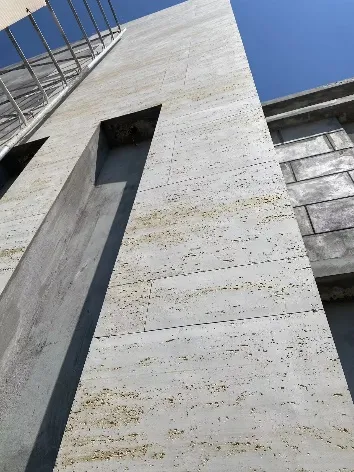
MCM, or Metal Composite Material, is a cutting-edge cladding solution that combines the best of strength, flexibility, and sustainability. At its core, MCM is made by bonding two thin metal sheets (typically aluminum) to a lightweight core material, often recycled polyethylene or mineral-filled polymers. The result? A panel that's up to 80% lighter than natural stone, yet incredibly strong and resistant to weather, fire, and impact. But what truly sets MCM apart is its "flexible" nature—these panels can be bent, curved, or shaped to fit even the most intricate architectural designs, making them a favorite among innovative designers.
While MCM has been around for decades, recent advancements have focused on enhancing its sustainability profile. Today's MCM panels often incorporate recycled materials in their cores, use low-VOC (volatile organic compound) coatings, and are 100% recyclable at the end of their lifespan. For residential building materials suppliers and commercial building materials suppliers alike, this means offering a product that doesn't just meet client demands for aesthetics and durability but also aligns with global sustainability goals.
Let's break down the key benefits that make MCM flexible cladding stone wall panel solutions a top choice for sustainable projects:
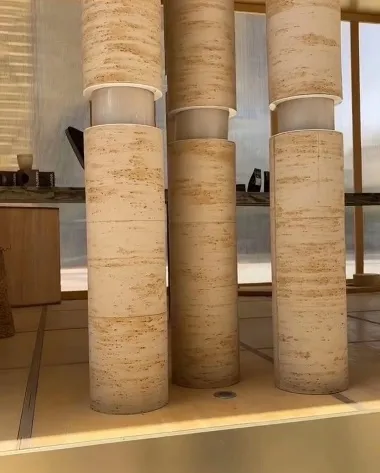
To truly appreciate the value of MCM flexible cladding stone wall panels, it helps to see how they stack up against other common cladding materials. Let's compare MCM with three popular alternatives: natural granite stone, PU stone wall panels, and WPC wall panels. This table highlights key factors like sustainability, cost, design flexibility, and durability—essential considerations for any project.
| Feature | MCM Flexible Cladding Panels | Natural Granite Stone | PU Stone Wall Panels | WPC Wall Panels |
|---|---|---|---|---|
| Material Composition | Aluminum sheets + recycled core (polyethylene/mineral) | Quarried natural stone | Polyurethane foam + mineral additives | Wood fibers + plastic polymers |
| Weight (kg/m²) | 3-5 | 25-30 | 8-12 | 12-15 |
| Installation Complexity | Low (lightweight, easy to cut/shape) | High (requires heavy machinery, structural support) | Medium (light but less flexible than MCM) | Medium (may require specialized tools) |
| Design Flexibility | Excellent (curves, angles, custom colors/finishes) | Low (rigid, limited to flat or simple shapes) | Good (moldable but less durable for complex shapes) | Moderate (can be cut but not easily curved) |
| Environmental Impact | Low (recycled materials, recyclable, low transport emissions) | High (quarrying destroys ecosystems, high transport emissions) | Medium (some recycled content, but foam may release VOCs) | Medium (recycled wood/plastic, but not fully recyclable) |
| Fire Resistance | Class A (highest rating, non-combustible core options) | Class A (natural stone is fire-resistant) | Class B/C (varies by manufacturer, may melt at high temps) | Class B (requires fire-retardant additives) |
| Lifespan | 50+ years | 100+ years (but prone to cracking over time) | 15-20 years (may degrade in extreme weather) | 20-25 years (susceptible to moisture damage) |
| Maintenance Cost | Low (occasional washing) | High (sealing every 2-3 years, repairs for cracks) | Medium (may fade, requires painting every 5-7 years) | Medium (cleaning with mild detergents, prone to scratches) |
As the table shows, MCM panels excel in areas that matter most for sustainable, forward-thinking projects: low environmental impact, design flexibility, and long-term cost savings. While natural stone offers unmatched longevity, its weight and environmental costs make it less ideal for modern, eco-conscious builds. PU and WPC panels, meanwhile, fall short in durability and fire resistance compared to MCM. For architects and suppliers aiming to balance sustainability, aesthetics, and performance, MCM flexible cladding stone wall panel solutions are increasingly becoming the gold standard.
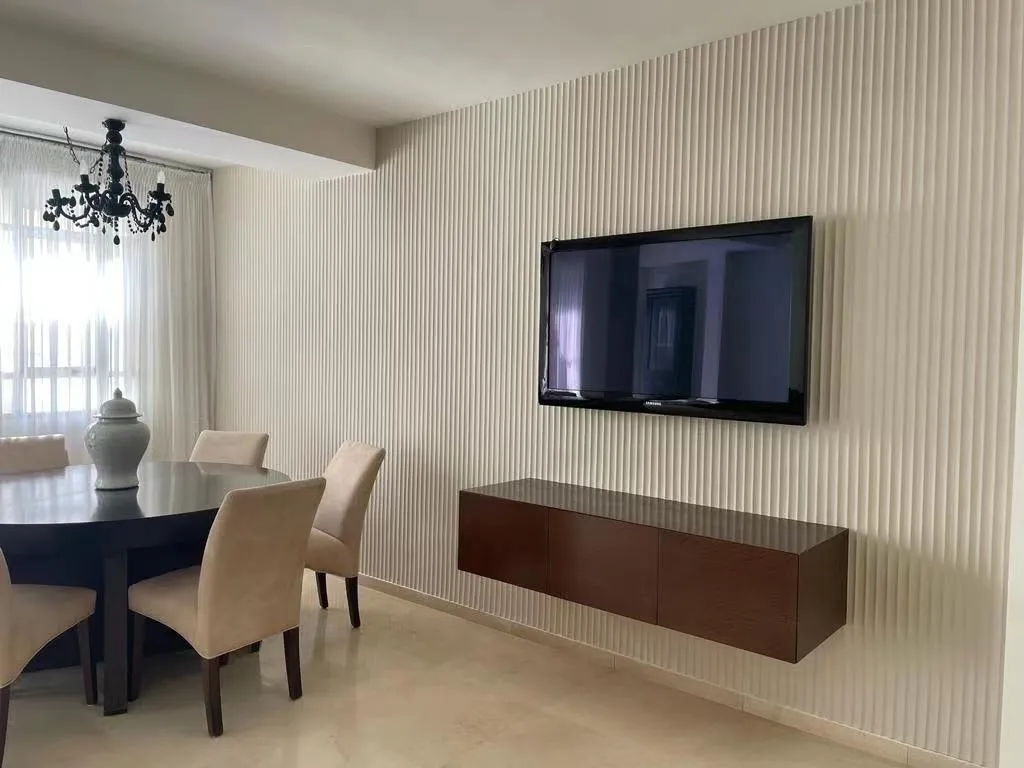
Nestled on the outskirts of Riyadh, Saudi Arabia, GreenHaven Residences is a 50-unit residential complex designed to be a model of sustainable living. Developed by EcoLiving Developers, the project aimed to achieve LEED Platinum certification, the highest honor for green buildings, by prioritizing energy efficiency, water conservation, and eco-friendly materials. One of the most visible and critical choices was the exterior cladding: the design team wanted a material that would reflect the desert sun to reduce cooling costs, withstand extreme heat, and offer a modern, natural aesthetic—all while keeping the project's carbon footprint low.
The desert climate of Riyadh presents unique challenges: temperatures often exceed 45°C in summer, and sandstorms can abrade building surfaces. Traditional cladding options like natural stone were deemed too heavy for the complex's lightweight steel frame, and their dark colors would absorb heat, increasing indoor cooling needs. PU stone panels, while lighter, lacked the durability to withstand sandstorms. The developers turned to a local residential building materials supplier specializing in sustainable solutions, who recommended MCM flexible cladding stone wall panels.
The supplier proposed MCM panels with a reflective, light-colored finish mimicking the look of natural sandstone—a nod to the region's geological heritage. The panels were custom-fabricated to include curved edges, softening the building's modern lines and creating a harmonious blend with the desert landscape. Thanks to MCM's flexibility, the design team was able to incorporate subtle undulations in the cladding, which not only added visual interest but also helped deflect sand during storms.
Installation was completed in just 8 weeks, a fraction of the time natural stone would have required, reducing labor costs and on-site disruption. The panels' lightweight nature (4 kg/m²) eliminated the need for additional structural support, cutting down on steel usage and lowering the project's overall carbon emissions. Post-installation, thermal imaging tests showed that the MCM-clad buildings stayed up to 8°C cooler than similar structures with traditional cladding, leading to a 23% reduction in air conditioning usage.
"Choosing MCM panels was a game-changer for GreenHaven," says Lina Hassan, lead architect at EcoLiving Developers. "We wanted a material that would stand up to our climate while keeping the project sustainable, and MCM delivered on both counts. The residents love the modern, natural look, and we're on track to hit our LEED Platinum goals. Plus, the fact that the panels are recyclable gives us peace of mind knowing we're not leaving a legacy of waste."
Ahmed Al-Mansoori, project manager at the residential building materials supplier, adds: "Working with EcoLiving was a pleasure because they shared our commitment to sustainability. MCM isn't just a product for us—it's a solution that aligns with Saudi Arabia's Vision 2030 goals for green building. We provided end-to-end support, from material selection to on-site training for installers, ensuring the project ran smoothly."

Skyline Offices, a 12-story commercial building in downtown Dubai, was due for a façade renovation in 2023. Built in the early 2000s, the building's original concrete cladding was showing signs of wear, and its dark gray color made it a "heat island," driving up energy costs for tenants. The building's owner, Global Workspaces, wanted a renovation that would modernize the, improve energy efficiency, and attract eco-conscious businesses—all while keeping the building operational during construction.
Downtown Dubai's strict construction regulations required minimal disruption to traffic and neighboring buildings. Traditional cladding removal would generate excessive dust and noise, and the building's busy lobby and ground-floor retail spaces couldn't afford lengthy closures. Additionally, Global Workspaces aimed to achieve LEED Gold certification, which meant prioritizing materials with low embodied carbon and high recyclability.
A commercial building materials supplier specializing in architectural façade solutions was brought on board. After assessing the site, they recommended MCM panels with a dual-layer design: a fire-resistant mineral core (Class A fire rating) for safety, and a customizable aluminum surface printed with a wood-grain pattern. The wood finish was chosen to add warmth to the building's modern aesthetic, making it more inviting for tenants and visitors.
The MCM panels were installed using a "panel-over-panel" system, meaning the old concrete cladding didn't need to be fully removed—reducing dust, noise, and waste. The lightweight panels were hoisted into place using small cranes, avoiding the need for large construction equipment that would block streets. The supplier also incorporated integrated solar shading into the cladding design: horizontal MCM fins, angled to block summer sun but allow winter light, further reducing indoor cooling and lighting costs.
Tenants reported immediate improvements: indoor temperatures stabilized, and energy bills dropped by an average of 18%. The wood-grain finish transformed the building's from industrial to welcoming, with several new tech startups signing leases within months of completion. During a post-renovation audit, the project was found to have diverted 95% of construction waste from landfills, thanks to the panel-over-panel installation and the recyclability of MCM offcuts.
"We were skeptical at first—how could a lightweight panel stand up to Dubai's harsh sun and humidity?" admits Kareem Patel, facilities manager at Global Workspaces. "But two years later, the cladding looks brand-new. The wood print hasn't faded, and we've had zero issues with moisture or pests. It's exceeded all our expectations."
For commercial projects like Skyline Offices, downtime is money. MCM's quick installation and minimal disruption were critical, but equally important was its ability to align with the building's branding. The supplier worked closely with Global Workspaces to match the wood-grain pattern to the company's sustainability-focused logo, turning the façade into a marketing tool. "The cladding isn't just a building material—it's part of our identity now," Patel notes. "Clients walk in and immediately comment on how unique and eco-friendly the building feels."
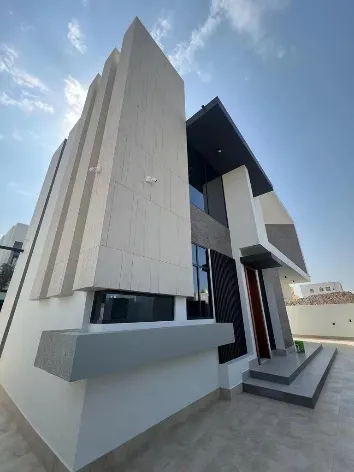
Behind every successful MCM project is a supplier who understands that sustainable design is about more than just delivering materials—it's about building partnerships. A reputable MCM flexible cladding stone wall panel supplier doesn't just sell products; they offer expertise, customization, and ongoing support. Let's take a closer look at what sets these suppliers apart and how they contribute to project success.
No two projects are the same, and suppliers know this. Whether it's a residential complex in Riyadh needing desert-resistant cladding or a hospital in Switzerland requiring sterile, fireproof panels (like Class A fireproof CPL inorganic boards), the best suppliers offer tailored solutions. For example, the Saudi Arabia-based supplier behind GreenHaven Residences worked with the design team for three months to refine the sandstone finish, creating samples that were tested for colorfastness under UV light and abrasion resistance in sandstorm simulators. This level of customization ensures the final product meets both aesthetic and functional goals.
Talk is cheap when it comes to sustainability. Leading suppliers invest in third-party certifications to verify their products' eco-credentials. Look for certifications like GREENGUARD (low chemical emissions), LEED contribution points, or ISO 14001 (environmental management systems). For instance, the supplier for Skyline Offices provided documentation showing their MCM panels contained 35% recycled aluminum and were 100% recyclable, helping the project earn critical LEED points for materials and resources.
MCM panels may be flexible, but installing them requires precision. The best suppliers offer on-site technical support, training installers on proper handling, cutting, and fastening techniques. For GreenHaven Residences, the supplier's team conducted a two-day workshop for the construction crew, demonstrating how to bend panels without cracking the finish and ensuring waterproofing around windows and doors. This hands-on support reduces errors, speeds up installation, and ensures the cladding performs as expected long-term.
Many MCM suppliers also offer complementary products, acting as a one-stop shop for building materials. For example, a supplier might provide not just exterior cladding but also interior wall panels (like bamboo charcoal board or WPC), flooring solutions, and even ceiling systems. This streamlines the supply chain, reduces coordination headaches for contractors, and ensures consistency in sustainability standards across the project.
As sustainable design continues to evolve, MCM flexible cladding stone wall panels are poised to play an even bigger role. Manufacturers are already experimenting with new innovations: panels embedded with solar cells to generate electricity, self-cleaning coatings that break down dirt when exposed to sunlight, and bio-based cores made from agricultural waste. These advancements could push MCM from "sustainable" to "regenerative," actively contributing to a building's environmental performance.
In regions like Saudi Arabia, where green building regulations are becoming stricter, MCM panels are likely to become a staple for both residential and commercial projects. The country's Vision 2030 plan emphasizes sustainable urban development, and suppliers are responding by localizing production—reducing transportation emissions and creating jobs. Similarly, in Europe and North America, the push for net-zero buildings is driving demand for high-performance cladding that can help meet energy targets.
For designers, the future is about integration. MCM panels won't just be a façade material but a canvas for multi-functional design: imagine a commercial building where the cladding also acts as a rainwater harvesting system, or a residential complex where MCM panels change color to reflect seasonal temperatures. The flexibility and durability of MCM make these ideas feasible, turning buildings into active participants in sustainability rather than passive structures.
As one architect put it: "MCM isn't just changing how we build—it's changing how we think about buildings. They're no longer just shelters; they're part of the solution to climate change."
Sustainable design is no longer optional—it's the foundation of responsible architecture. MCM flexible cladding stone wall panel solutions embody this ethos, offering a rare combination of beauty, durability, and environmental responsibility. From the desert landscapes of Saudi Arabia to the urban jungles of Dubai, the case examples we've explored prove that MCM isn't just a material; it's a catalyst for change.
For homeowners, MCM panels mean lower energy bills, a unique aesthetic, and the pride of knowing their home is part of the solution. For developers and businesses, they translate to higher property values, happier tenants, and a stronger brand reputation. And for the planet, every MCM-clad building is a step toward reducing carbon emissions, conserving resources, and creating more resilient communities.
As we look to the future, the question isn't whether MCM panels will be part of sustainable design—it's how far we can push their potential. With ongoing innovations, collaborative partnerships between suppliers and designers, and a shared commitment to sustainability, MCM flexible cladding stone wall panels are set to redefine the skyline of tomorrow. So whether you're planning a small residential renovation or a large-scale commercial project, consider MCM panels. Your building, your budget, and the planet will thank you.
Recommend Products











