

Buildings are more than just bricks and beams—they're the backdrop to our lives. They're where we wake up, learn, heal, and connect. But in a world grappling with climate change, the choices we make when constructing these spaces carry weight far beyond their walls. Today, sustainability isn't a buzzword; it's a responsibility. As cities grow and carbon footprints loom larger, the construction industry is undergoing a quiet revolution: one where materials don't just serve function, but also protect the planet. At the heart of this shift are suppliers who prioritize green innovation—and none more so than those reimagining wall panels, fire-safe boards, and eco-friendly tiles as tools for change.
For architects, contractors, and project managers, the pressure is real. A hospital needs materials that resist fire and bacteria. A school demands durability that can withstand years of tiny feet and curious hands. A home craves beauty that doesn't come with toxic fumes. And through it all, every choice must chip away at carbon emissions, not add to them. It's a balancing act that often feels impossible—until you meet a supplier who refuses to compromise.
Enter the one-stop building material provider that's turning "either/or" into "and." By focusing on products that marry sustainability with performance, they're proving that green building doesn't mean sacrificing safety, style, or functionality. Let's dive into how their offerings—from porcelain slab tiles to fireproof boards—are reshaping the future of construction.
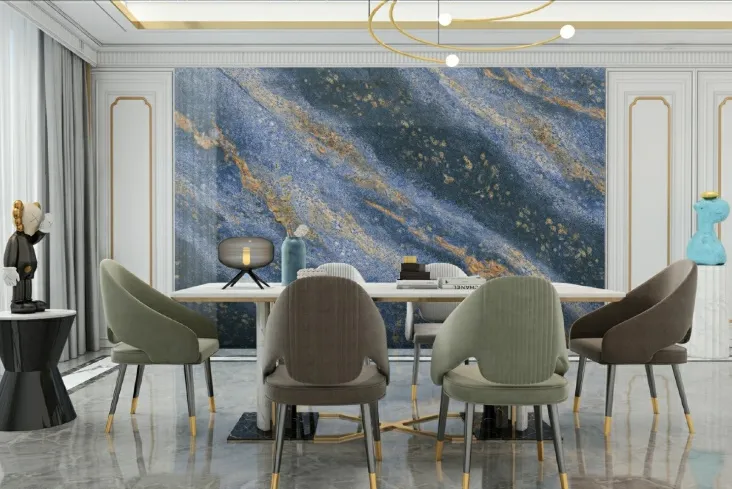
What sets this supplier apart? It starts with a mission: to make sustainable materials accessible without cutting corners. They don't just sell products—they solve problems. Whether it's a hospital needing fire-safe walls, a school aiming for low-VOC interiors, or a homeowner dreaming of an eco-friendly renovation, they bring solutions tailored to real human needs. Let's explore three of their standout offerings that are making waves in green construction.
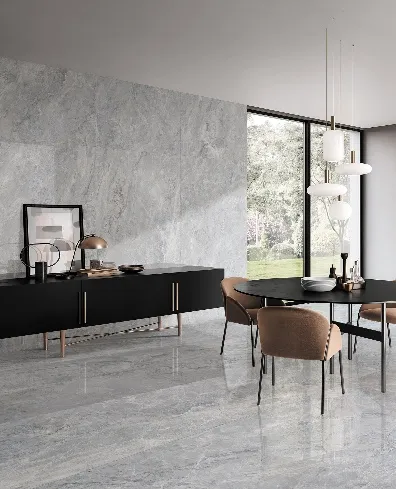
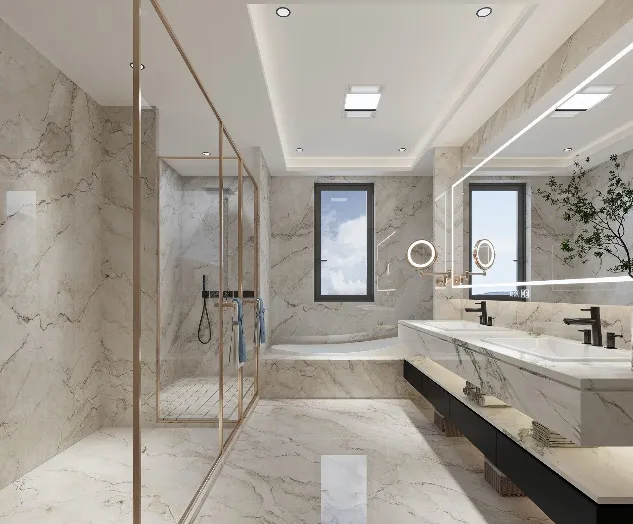
Walk into a modern office or luxury hotel, and you'll likely be greeted by walls that feel both sleek and timeless. Chances are, those walls are clad in porcelain slab tiles—and for good reason. Porcelain is known for its durability, water resistance, and versatility, but traditional production methods often rely on high heat and resource-heavy processes. This supplier is changing that.
As a leading porcelain slab tile for wall supplier, they've reengineered their manufacturing to slash carbon output. By using recycled clay in their mixes and optimizing kiln energy use, their porcelain slabs reduce emissions by up to 30% compared to conventional options. But sustainability doesn't end there. These slabs are designed to last decades, meaning fewer replacements and less waste over time. For a commercial project, that translates to lower long-term costs and a smaller environmental footprint.
Take, for example, a recent boutique hotel in Riyadh. The design team wanted walls that felt luxurious but aligned with the hotel's "net-zero by 2030" pledge. The supplier's 6mm-thin porcelain slabs delivered: large-format tiles minimized grout lines for a seamless look, while their low-carbon production helped the project earn LEED Silver certification. "We didn't have to choose between beauty and the planet," said the hotel's architect. "These tiles proved they could coexist."
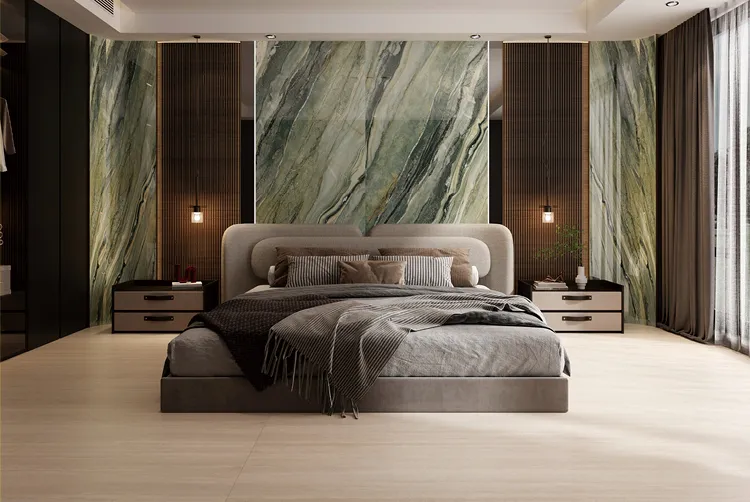
Hospitals and schools are sacred spaces—places where vulnerability meets hope. In these settings, fire safety isn't optional. Yet traditional fireproof materials often come with a hidden cost: toxic chemicals or energy-intensive production. That's where class A fireproof CPL inorganic boards step in—and this supplier is leading the charge in making them greener.
As a class A fireproof CPL inorganic board for hospital and school supplier, their product checks every box. Class A fire resistance means it won't ignite easily and slows the spread of flames—critical for spaces with children or patients who can't evacuate quickly. But what truly sets it apart is its eco-credentials. Unlike some fireproof boards that rely on formaldehyde-based binders, these inorganic boards use mineral-based compounds, making them low-VOC and safe for indoor air quality. In hospitals, where air purity can impact patient recovery, this is game-changing.
A children's hospital in Jeddah recently chose these boards for its new wing. "We needed something that could handle spills, resist mold, and keep kids safe in an emergency," explained the facility manager. "These boards delivered all that—and because they're made with recycled minerals, we hit our sustainability targets too. Parents notice when we prioritize their kids' health, and the planet benefits too."
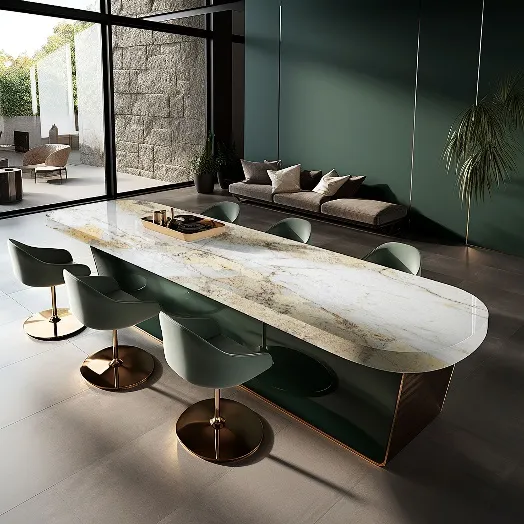
For residential and commercial spaces alike, indoor air quality is non-negotiable. Volatile organic compounds (VOCs) from paints, adhesives, and furniture can linger for years, triggering allergies and respiratory issues. Enter bamboo charcoal board wall panels—a material that doesn't just cover walls, but actively cleans the air. And as a bamboo charcoal board wall panel supplier, this company is turning a renewable resource into a solution for healthier homes and offices.
Bamboo grows fast—up to 3 feet per day in some cases—making it one of the most sustainable resources on the planet. But what happens to the scraps left behind after harvesting? This supplier saw potential. Their bamboo charcoal boards are made from bamboo waste (stalks, leaves, and sawdust) that would otherwise end up in landfills. The bamboo is carbonized at low temperatures to create activated charcoal, which naturally absorbs odors, moisture, and harmful VOCs like formaldehyde. The result? Walls that act like silent air purifiers.
A family home in Dubai recently renovated with these panels. "We have a toddler with asthma, so we were terrified of off-gassing from new materials," said the homeowner. "These panels smelled like fresh bamboo when they went up, not chemicals. Six months later, our air purifier's filter is cleaner than ever. It's not just a wall—it's peace of mind."
Exterior walls face the harshest elements: scorching sun, driving rain, and shifting temperatures. Traditional stone cladding is durable but heavy, requiring extra structural support and increasing transportation emissions. MCM (Metal Composite Material) flexible cladding stone wall panels offer a smarter alternative—and as an MCM flexible cladding stone wall panel supplier, this company is making them greener than ever.
MCM panels are lightweight (up to 70% lighter than natural stone), which reduces the need for heavy-duty structural work and cuts fuel use during transport. But this supplier took it further: their panels use recycled aluminum cores and stone aggregates sourced from reclaimed quarries. The result? A product that mimics the look of natural stone without depleting new resources. For a commercial high-rise in Riyadh, this meant cutting transportation emissions by 40% and reducing the building's overall carbon footprint during construction.
"We wanted the elegance of stone without the environmental cost," said the project's lead architect. "These panels installed in half the time, weighed less, and still look like they were carved from the earth. It's innovation that doesn't shout—it just works."
What truly makes this supplier a leader in green construction isn't just its products—it's the mindset. From factory to delivery, every step is audited for carbon impact. Their manufacturing plants run on solar power, and waste from production is recycled into new materials (scraps from porcelain slabs become filler for concrete, for example). Even their packaging is plastic-free, using biodegradable wraps and recycled cardboard.
They also partner with clients to calculate the carbon savings of choosing their materials. A recent hospital project in Jeddah, which used their class A fireproof CPL inorganic boards and bamboo charcoal panels, reduced its embodied carbon by 22% compared to using conventional materials. "Numbers matter," says the supplier's sustainability director. "We don't just say we're green—we prove it."
| Product | Key Features | Ideal Applications | Sustainability Edge |
|---|---|---|---|
| Porcelain Slab Tile for Walls | 30% lower emissions, recycled clay, 50+ year lifespan | Hotels, offices, high-end residential | Reduced waste from long lifespan; recycled materials in production |
| Class A Fireproof CPL Inorganic Boards | Class A fire resistance, low-VOC, mold-resistant | Hospitals, schools, senior care facilities | Mineral-based binders; no formaldehyde; supports indoor air quality |
| Bamboo Charcoal Board Wall Panels | VOC-absorbing, made from bamboo waste, moisture-resistant | Homes, nurseries, wellness centers | Uses agricultural waste; renewable bamboo source; natural air purification |
| MCM Flexible Cladding Stone Wall Panels | 70% lighter than stone, recycled aluminum core, weather-resistant | Commercial exteriors, high-rises, retail facades | Reclaimed stone aggregates; reduces transportation and structural emissions |
Carbon goals aren't met with grand gestures alone—they're met with the thousands of small choices that go into every construction project. The supplier we've explored today isn't just selling materials; they're empowering builders to be part of the solution. Whether it's a hospital choosing fire-safe, low-VOC boards or a homeowner opting for bamboo charcoal panels that clean the air, every decision ripples outward.
Sustainable buildings aren't just better for the planet—they're better for people. They're spaces that heal faster, learn brighter, and live healthier. And behind every such space is a supplier who refused to accept that "good enough" was enough. As we look to a future where carbon neutrality is non-negotiable, these are the partners we need: innovators, problem-solvers, and stewards of a greener built world.
So the next time you walk into a building that feels both beautiful and responsible, take a moment to look at the walls. Chances are, they're more than just walls—they're a statement. A statement that says, "We can build better." And with suppliers leading the charge, that statement is becoming a reality.
Recommend Products











