
In the sunbaked landscapes of Riyadh or the bustling urban hubs of Jeddah, a quiet revolution is unfolding in the world of construction. Builders, architects, and project managers are no longer just chasing deadlines or cutting costs—they're chasing something bigger: sustainability. Today's building projects aren't just structures; they're statements of responsibility, designed to minimize environmental impact while maximizing durability and livability. And at the heart of this shift? The materials we choose. From the foundation to the roof, every component plays a role, but few are as quietly critical as the systems that keep our buildings running: the plumbing, the valves, the pipes that carry water, waste, and life itself. Among these, eco-friendly plastic valve systems and UPVC pipes have emerged as unsung heroes, proving that sustainability doesn't have to mean sacrificing performance. Let's dive into how these materials are reshaping sustainable building projects, one valve and one pipe at a time.
When we talk about sustainable buildings, our minds often jump to solar panels, green roofs, or energy-efficient windows. These are the "flashy" elements, the ones that catch the eye. But if you peel back the walls, you'll find another layer of sustainability: the plumbing system. Imagine a state-of-the-art hospital with LEED certification, but its pipes corrode within a decade, leading to leaks, water waste, and costly replacements. Or a school with rainwater harvesting systems that lose half their collected water due to inefficient valves. Suddenly, those "hidden" systems don't seem so hidden anymore—they're make-or-break for a project's long-term sustainability.
Plumbing systems account for a significant portion of a building's resource consumption. They manage water—one of our most precious resources—and influence energy use (think of the energy required to pump and heat water). A poorly designed or low-quality plumbing setup can turn even the most well-intentioned green building into a resource hog. That's where choosing the right materials comes in. For years, construction relied on traditional options like metal valves and galvanized steel pipes. While durable, these materials often come with heavy environmental costs: high carbon emissions during manufacturing, corrosion issues that lead to water waste, and limited recyclability. Enter eco-friendly alternatives like plastic valve systems and UPVC pipes—materials that are redefining what it means to build sustainably from the inside out.
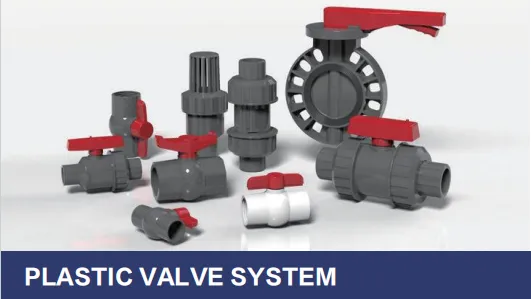
Mention "plastic" in construction circles, and you might still hear skepticism. "Isn't plastic flimsy? Won't it crack under pressure? Isn't it bad for the environment?" These are fair questions, but they're rooted in outdated perceptions. Modern plastic valve systems—designed specifically for sustainability—are a world away from the brittle, single-use plastics of the past. Today's plastic valve system supplier doesn't just sell valves; they sell solutions engineered to minimize environmental impact at every stage, from production to disposal.
First, let's talk about materials. Many plastic valves today are made from recycled or recyclable polymers, reducing reliance on virgin plastics. Take polyvinyl chloride (PVC), for example—when processed responsibly, PVC can be recycled up to eight times without losing performance. But it's not just about recycling. The manufacturing process itself is lighter on the planet. Unlike metal valves, which require energy-intensive mining and smelting, plastic valves are molded at lower temperatures, cutting down on carbon emissions. A study by the European Plastic Pipes and Fittings Association (EPF) found that plastic valve production emits up to 60% less CO2 compared to brass valves of the same.
Durability is another key factor. A plastic valve system solution isn't just eco-friendly if it needs to be replaced every five years. Modern plastic valves are designed to withstand harsh conditions: extreme temperatures, chemical exposure, and high water pressure. In fact, many have a lifespan of 50+ years—longer than traditional metal valves, which can corrode or rust over time. This longevity means fewer replacements, less waste, and lower overall environmental impact. For project managers, this translates to peace of mind: once installed, these valves require minimal maintenance, freeing up resources for other sustainability initiatives.
Water efficiency is where plastic valves truly shine. Many models come with precision engineering that minimizes leakage—a critical feature in regions like Saudi Arabia, where water scarcity is a pressing concern. A single dripping valve can waste up to 20,000 liters of water per year; eco-friendly plastic valves, with their tight seals and corrosion-resistant components, drastically reduce this risk. For builders working on residential complexes or commercial spaces, this isn't just good for the planet—it's good for the bottom line, too. Lower water bills and fewer repair calls mean happier clients and more sustainable projects all around.
A valve is only as good as the pipes it's connected to. That's why forward-thinking builders are pairing their plastic valve systems with another eco-friendly workhorse: UPVC pipes. Short for unplasticized polyvinyl chloride, UPVC has been a staple in plumbing for decades, but its sustainability credentials are finally getting the attention they deserve. And when sourced from a reputable upvc pipe supplier , these pipes become a cornerstone of green construction.
UPVC pipes are made by adding no plasticizers to PVC, resulting in a rigid, strong material that's resistant to chemicals, corrosion, and impact. But what makes them sustainable? Let's start with their production. Like plastic valves, UPVC pipes require less energy to manufacture than metal alternatives. For example, producing a meter of UPVC pipe emits approximately 1.2 kg of CO2, compared to 3.5 kg for a similar length of galvanized steel pipe. That's a 65% reduction in carbon footprint—no small feat for large-scale projects.
Then there's their performance. UPVC pipes have a smooth inner surface that reduces friction, allowing water to flow more efficiently. This means less energy is needed to pump water through the system, lowering the building's overall energy consumption. In hospitals, where constant water pressure is critical for sterilization and patient care, or in schools with high water usage during peak hours, this efficiency isn't just sustainable—it's essential. And because UPVC doesn't corrode, it avoids the rust and scale buildup that plagues metal pipes, ensuring consistent water flow for decades. "We installed UPVC pipes in a new school complex in Dammam last year," says Ahmed, a site engineer with a leading construction firm. "Six months in, the maintenance team hasn't had a single issue with blockages or leaks. The water pressure is steady, and the client is thrilled with the lower utility bills."
Recyclability is another win for UPVC. While UPVC pipes have a long lifespan (50+ years), when they do reach the end of their useful life, they can be recycled into new pipes or other plastic products. This closed-loop system aligns with the circular economy principles that guide modern sustainable construction. A reliable upvc pipe supplier will often have recycling programs in place, ensuring that old pipes don't end up in landfills but are repurposed into new materials. For builders aiming for certifications like LEED or Estidama (Saudi Arabia's green building rating system), this recyclability is a valuable point toward earning those credentials.
Still on the fence about whether to switch from traditional plumbing materials to plastic valve systems and UPVC pipes? Let's break down the differences with a side-by-side comparison. The table below highlights key factors that matter most to project managers, from environmental impact to long-term cost:
| Factor | Traditional Materials (Brass Valves, Galvanized Steel Pipes) | Eco-Friendly Alternatives (Plastic Valves, UPVC Pipes) |
|---|---|---|
| Carbon Footprint (Manufacturing) | High: Mining, smelting, and processing emit significant CO2. | Low: Requires 40-60% less energy to produce; recycled materials reduce impact further. |
| Durability | Moderate: Prone to corrosion, rust, and scale buildup (15-20 year lifespan). | High: Resistant to corrosion and chemicals; 50+ year lifespan with minimal maintenance. |
| Water Efficiency | Low: Corrosion leads to leaks; rough inner surfaces reduce flow efficiency. | High: Tight seals in valves prevent leaks; smooth UPVC surfaces maximize water flow with less energy. |
| Recyclability | Limited: Metal recycling is energy-intensive; often downcycled into lower-quality products. | High: Can be recycled multiple times into new pipes/valves; closed-loop systems available via suppliers. |
| Lifecycle Cost | Higher: Frequent replacements, maintenance, and water waste add up over time. | Lower: Higher upfront cost (sometimes), but minimal maintenance and longer lifespan reduce total cost. |
When the Al-Madinah Children's Hospital set out to become the first LEED Platinum-certified hospital in Saudi Arabia, every detail mattered—including the plumbing. The project team needed a system that could withstand high usage, maintain strict hygiene standards, and minimize environmental impact. After evaluating options, they chose a combination of plastic valve systems from a local plastic valve system supplier and UPVC pipes from a trusted upvc pipe supplier .
The results? Three years post-opening, the hospital has reduced water waste by 32% compared to similar facilities, thanks to leak-proof valves and efficient pipe flow. The UPVC pipes have resisted the harsh cleaning chemicals used in hospital environments, eliminating the need for costly pipe replacements. "In healthcare, reliability is non-negotiable," says Dr. Lina, the hospital's facilities director. "We can't afford downtime or water contamination. The plastic valves and UPVC pipes have given us peace of mind, and the sustainability benefits are the cherry on top."
With over 5,000 students, the King Abdullah University residential complex needed a plumbing system that could handle high demand while aligning with the university's sustainability goals. The project managers turned to eco-friendly solutions, selecting UPVC pipes and plastic valves for the complex's water supply and waste management systems. Today, the complex uses 28% less water than projected, and maintenance costs are 40% lower than comparable metal-based systems. "Students care about sustainability," notes Omar, the university's sustainability coordinator. "When we tell them their dorm's plumbing is helping conserve water, it reinforces our shared commitment to the environment. Plus, the durability means we can focus on other green initiatives instead of fixing pipes."
Eco-friendly plastic valve systems and UPVC pipes are only as good as the suppliers behind them. With so many options on the market, how do you separate the truly sustainable from the greenwashed? Here are a few key qualities to look for when selecting a plastic valve system supplier or upvc pipe supplier :
Look for suppliers with certifications that validate their sustainability claims. For example, ISO 14001 (environmental management) ensures the supplier follows strict environmental standards in manufacturing. In Saudi Arabia, certifications from the Saudi Standards, Metrology and Quality Organization (SASO) are a must, as they guarantee compliance with local regulations. Reputable suppliers will also provide test reports for their products, showing pressure resistance, chemical resistance, and lifespan data.
A truly eco-friendly supplier doesn't just sell sustainable products—they practice sustainability themselves. Ask about their recycling programs: Do they take back old pipes and valves for recycling? Do they use recycled materials in their production? A supplier with a closed-loop recycling system demonstrates a long-term commitment to the environment, not just a marketing gimmick.
Saudi Arabia's climate is unique—hot, dry, and prone to temperature extremes. A supplier based locally or with deep experience in the region will understand these conditions and offer products tailored to them. For example, UPVC pipes in Riyadh need to withstand higher temperatures than those in cooler climates. A local supplier can provide guidance on product selection, installation best practices, and after-sales support, ensuring your system performs optimally for years to come.
Despite their benefits, eco-friendly plastic valve systems and UPVC pipes still face skepticism. Let's address the most common myths head-on:
This couldn't be further from the truth. Modern plastic valves are engineered with reinforced materials like fiberglass or additives that strength. Many are designed to withstand pressures up to 16 bar (equivalent to 160 meters of water height)—more than enough for most building applications. In fact, plastic valves often outlast metal valves in corrosive environments, like coastal areas with saltwater exposure or industrial settings with chemical runoff.
It's true that plastic valves and UPVC pipes may have a slightly higher upfront cost than low-quality metal alternatives. But when you factor in lifecycle costs—maintenance, repairs, water waste, and replacement—they're almost always cheaper. A study by the World Green Building Council found that green plumbing materials reduce long-term costs by 15-20% compared to traditional options. For large projects, this adds up to significant savings over time.
This myth confuses single-use plastics with durable, recyclable plastic products. Eco-friendly plastic valves and UPVC pipes are designed for longevity, not disposability. They use minimal resources to produce, reduce water waste, and can be recycled at the end of their lifespan. When compared to metal, which requires mining and smelting (highly energy-intensive processes), plastic often comes out ahead in environmental impact assessments.
The journey toward sustainable building is far from over, and plastic valve systems and UPVC pipes are evolving right alongside it. Looking ahead, we can expect to see even more innovation in this space. One exciting trend is the integration of smart technology: valves with sensors that detect leaks in real time, or UPVC pipes embedded with RFID tags that track their lifecycle from production to recycling. Imagine a future where your plumbing system sends alerts to your phone when a valve needs maintenance, or where old pipes are automatically scheduled for recycling—all while reducing water waste and carbon emissions.
Another area of growth is the development of bio-based plastics for valves and pipes. Researchers are experimenting with materials derived from renewable resources like sugarcane or algae, which could further reduce the carbon footprint of these products. While still in the early stages, these innovations could one day make plastic valve systems even more sustainable.
In Saudi Arabia, where the government is pushing hard for sustainability through initiatives like Vision 2030, the demand for eco-friendly building materials is only set to grow. As more projects aim for Estidama certification or LEED status, suppliers will need to keep pace, offering higher-quality, more sustainable options. For builders and architects, this means more choices, better performance, and the chance to be part of a movement that's shaping the future of construction.
Sustainable building isn't a trend—it's a responsibility. Every choice we make, from the foundation to the faucets, has an impact on our planet and future generations. Eco-friendly plastic valve systems and UPVC pipes may not be the most glamorous parts of a construction project, but they're among the most critical. They prove that sustainability and performance can go hand in hand, that "green" doesn't have to mean "compromise."
So, the next time you walk through a building—whether it's a hospital saving water, a school nurturing young minds, or a home keeping a family comfortable—take a moment to appreciate the hidden systems working behind the scenes. And when you're planning your next project, remember: the right plastic valve system supplier and upvc pipe supplier aren't just vendors—they're partners in building a more sustainable future. Together, we can construct buildings that don't just stand the test of time, but honor it.
Recommend Products












